Best Books on China vs US
The US-China rivalry, explained through frameworks and real policy choices: Graham Allison’s Destined for War and Kevin Rudd’s The Avoidable War show how “competition” can slide into strategic conflict.
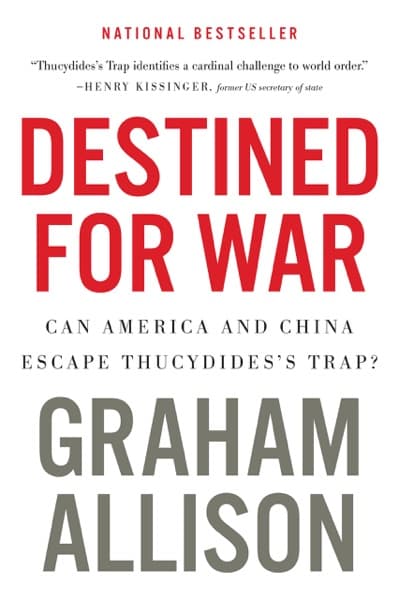
Destined for War
Graham Allison
Finish with a clearer alarm system: the tragedy is not intent, it is incentives, miscalculation, and the logic of great-power rivalry.
The Thucydides Trap: rising power vs ruling power incentives
Allison builds a decision lens from past cases to explain why rising powers and established ones often stumble into crisis. It fits US vs China because it turns headlines into testable patterns of how wars become “likely,” even when leaders avoid them.
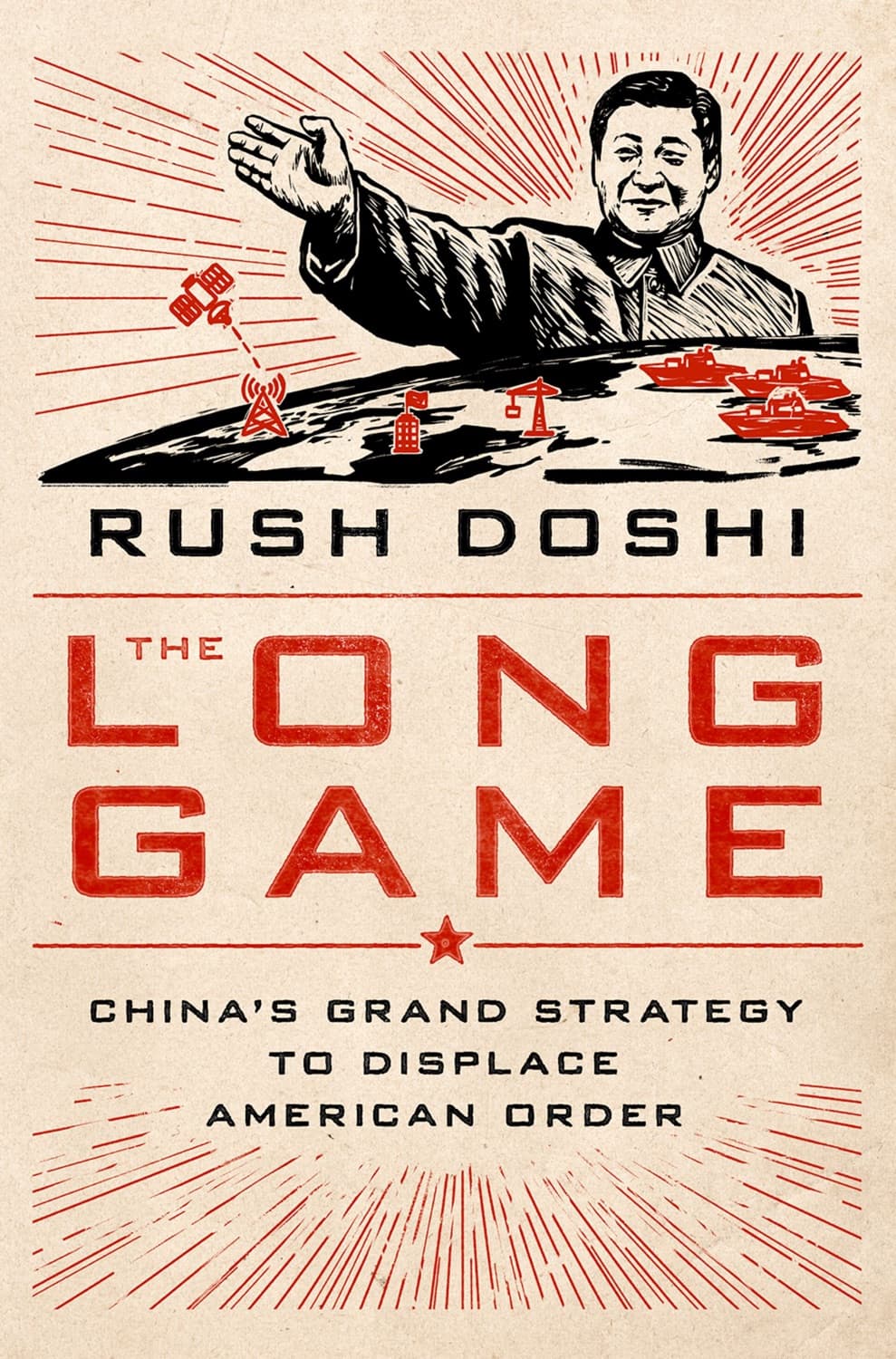
The Long Game
Rush Doshi
You come away seeing China less as reactive competitor and more as planner who optimizes for decades.
Grand strategy emphasizes sequencing over single wins
Doshi explains Chinese grand strategy toward the United States with an emphasis on sequencing, learning, and patience. For “China vs US,” it helps you interpret moves like negotiation, tech, and posture as parts of a longer design, not just tactics.
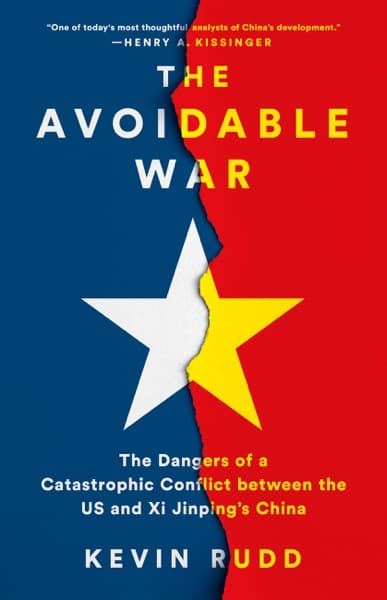
The Avoidable War
Kevin Rudd
You end with a hard-edged claim: strategic conflict is not destiny, it is a policy choice shaped by signals and constraints.
Risk management hinges on escalation control and messaging
Rudd synthesizes the risk pathways specific to US-China competition and focuses on how to steer away from escalation. It matches the question by centering prevention, not just rivalry narratives.
On China
Henry Kissinger
After Kissinger, US-China relations look less like current events and more like a recurring diplomatic cycle of power, legitimacy, and negotiation.
History shapes how leaders define order and bargaining
This book traces historical patterns that continue to shape elite assumptions on both sides. For China vs US, it provides the deep background many policy debates implicitly draw from.
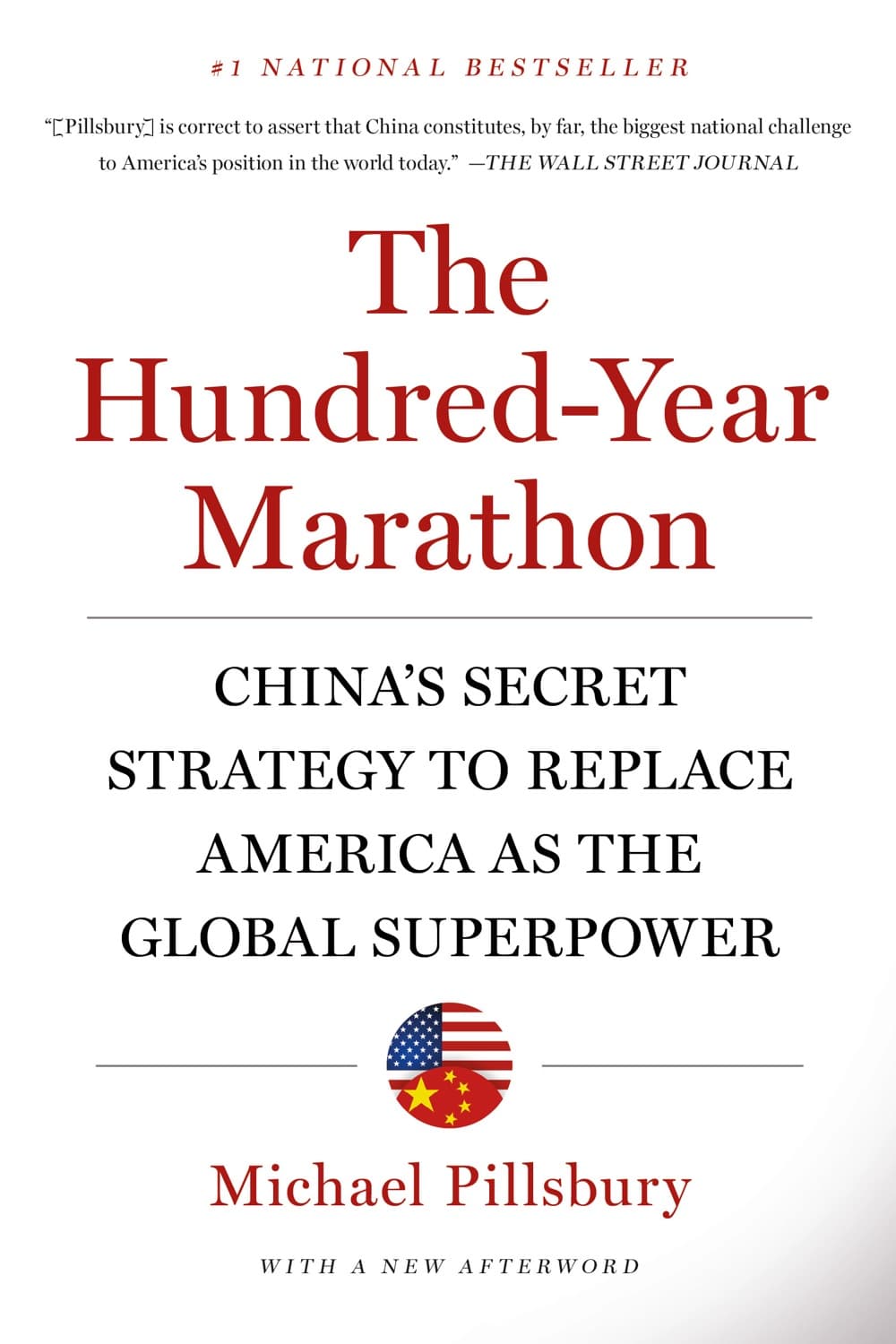
The Hundred-Year Marathon
Michael Pillsbury
You walk away with a sharper, more combative frame: China’s challenge is modeled as long-term contest with the US at its core.
Long-term contest logic beats short-term fixes
Pillsbury argues from a hawkish interpretation of China’s long horizon, making the rivalry feel structural rather than accidental. It suits readers wanting a high-stakes lens on where competition may be headed.
Breakneck
Dan Wang
You walk away with a grounded reality check: China’s manufacturing speed and industrial power are built on raw capacity and execution, not just state planning.
Industrial capacity and production speed dictate geopolitical edge more than software.
Dan Wang grounds the US-China rivalry in tangible physical capability, examining manufacturing, hardware, and engineering execution. For a China vs US guide, it reframes the competition from abstract policy debates to the factory floor, showing where industrial velocity gives China its true strategic edge.
Grand strategy emphasizes sequencing over single wins
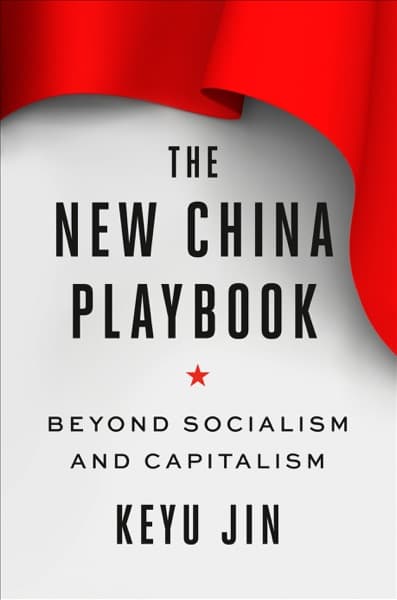
The New China Playbook
Keyu Jin
You end with a practical lens for China’s worldview: strategy emerges from how China defines order, problems, and acceptable leverage.
Worldview drives choices more than slogans
Jin translates core ideas into how leaders think and how that thinking can collide with US assumptions. It fits US vs China by focusing on the interpretive gap that fuels misunderstanding and rivalry.
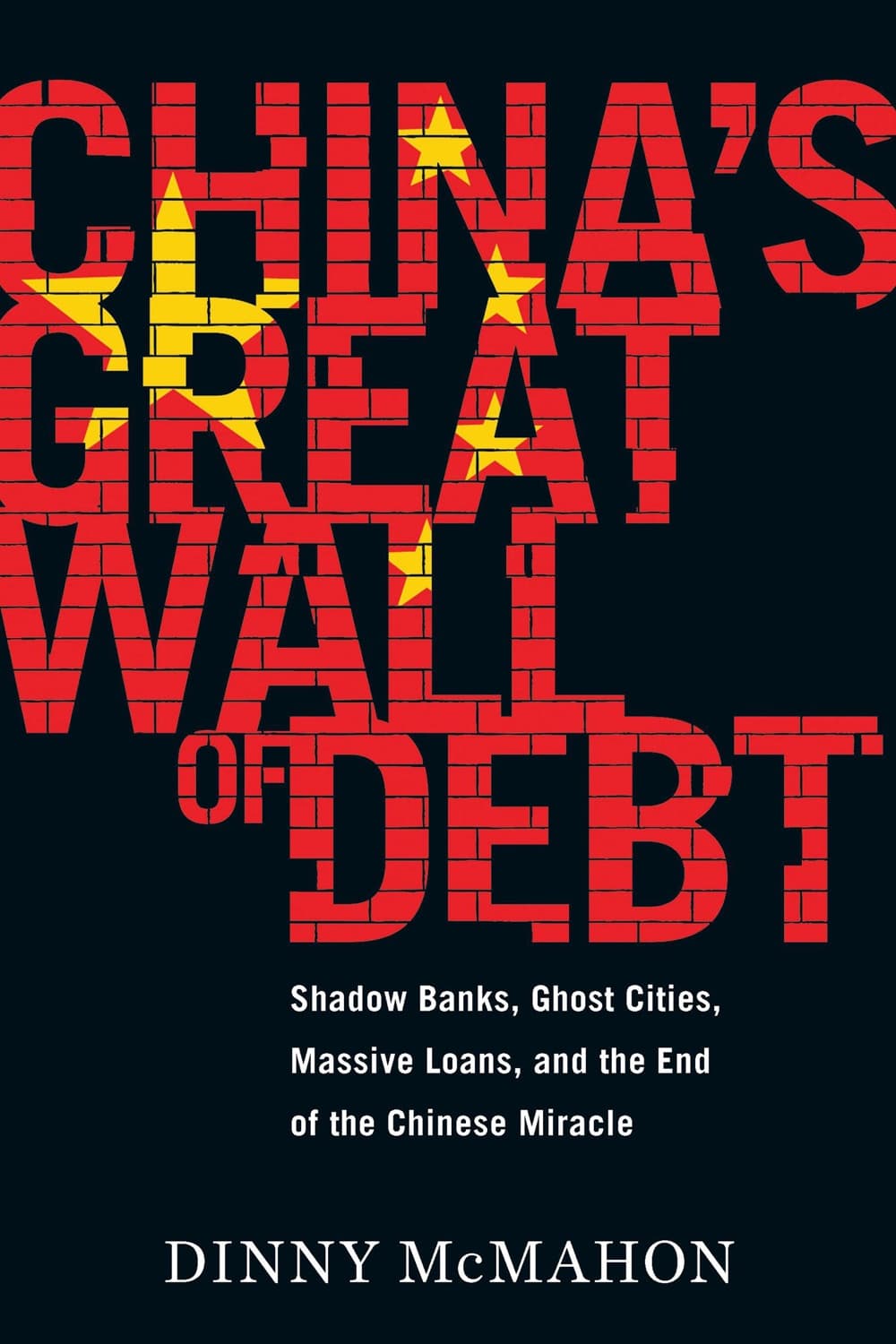
China's great wall of debt
Dinny McMahon
You leave seeing China’s global posture through balance sheets, not just ideology.
Debt constraints shape strategic options more than statements
McMahon explains how debt and financial constraints can shape what China can afford to do, and where it must maneuver. For China vs US, it adds an economic constraint lens to the usual security-and-strategy framing.
Can we tailor this list for you?
Type your question in the bar below and the AI will tailor a fresh set of picks just for you.