Best Books on Basketball and Business
Basketball and business meet best through leadership, branding, and winning systems: The Captain Class (Sam Walker) and Shoe Dog (Phil Knight) turn court patterns into boardroom language.
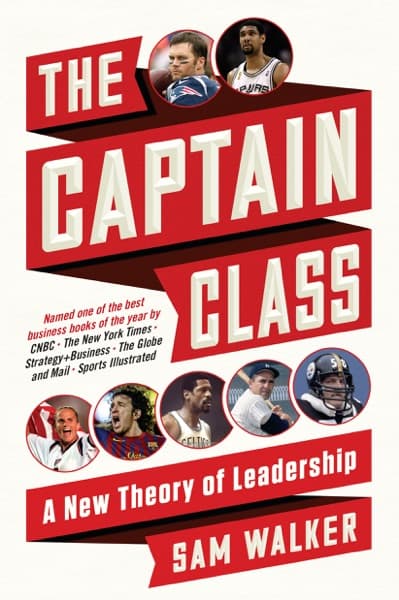
The Captain Class
Sam Walker
After The Captain Class, “leadership” stops meaning vibes and starts meaning repeatable behaviors visible on NBA sidelines.
Leadership is an engine, not a personality trait
Walker uses NBA and other teams to show how captains shape decisions, roles, and standards under pressure. For basketball-and-business readers, it translates competitive leadership into a usable lens for teams, hiring, and strategy execution.
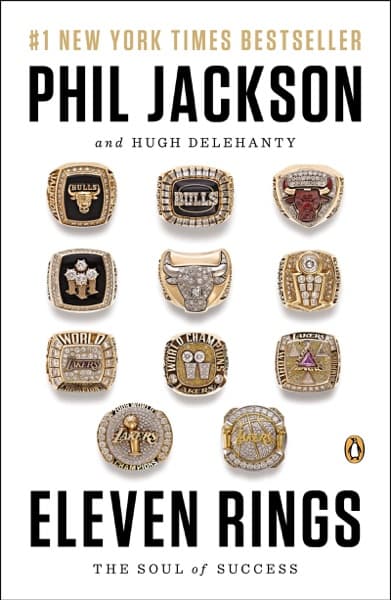
Eleven Rings
Phil Jackson
Eleven Rings recasts dynasties as the result of mental systems, not just superstar talent.
Mindfulness improves execution under pressure
Jackson distills winning lessons from the Bulls and Lakers through his “Zen” approach to focus, conflict, and collective belief. It fits business readers who want a calm operating model for high-stakes performance and culture building.
Shoe Dog
Phil Knight
Shoe Dog makes the billion-dollar athletic brand feel improvised, risky, and painfully human from the inside.
Revenue came from persistence through uncertainty
Knight’s memoir anchors basketball fandom to real business mechanics: product decisions, distribution fights, and long stretches of uncertainty. It is ideal for the basketball-and-business overlap because it shows how branding economics grow out of sweat, mistakes, and belief.
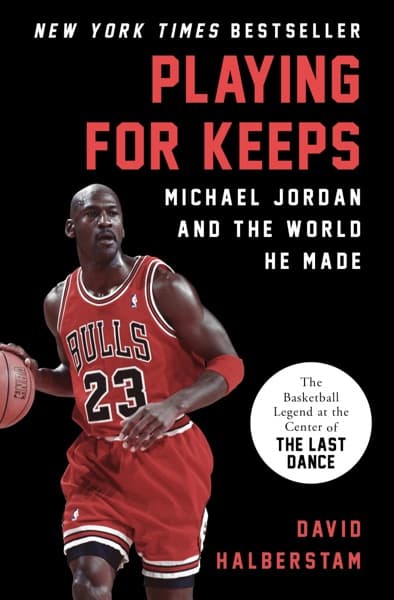
Playing for Keeps
David Halberstam
Playing for Keeps treats basketball’s rise as a marketing and management revolution, not just an on-court story.
Global growth followed the business of exposure
Halberstam traces how basketball excellence became globally valuable, mapping the shift from sport performance to business phenomenon. For your topic, it connects talent, media attention, and commercialization into one coherent transformation.
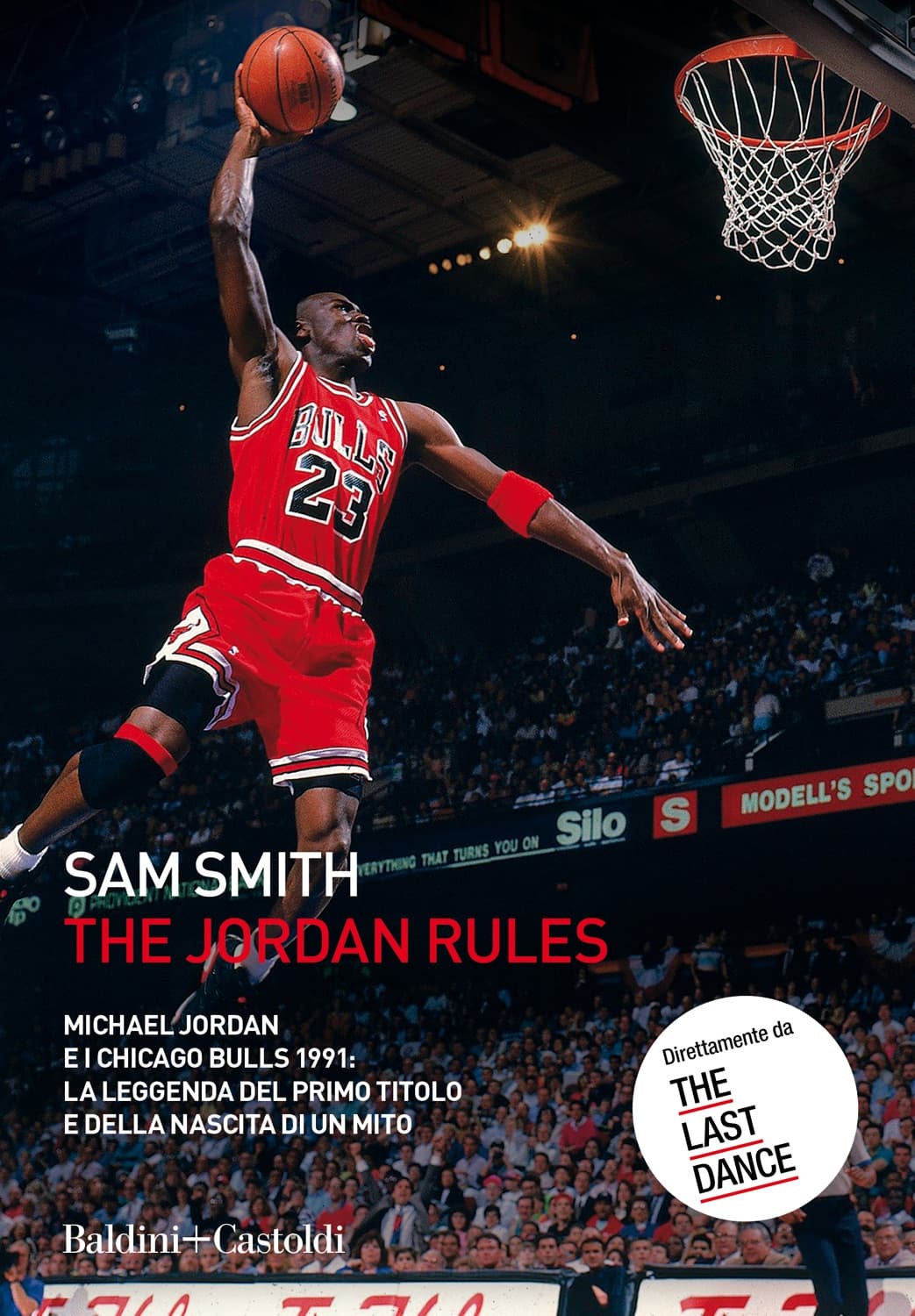
The Jordan Rules
Sam Smith
The Jordan Rules turns “winning culture” into something you can almost diagram: incentives, leverage, and backstage control.
Culture is negotiated through power and incentives
Smith’s behind-the-scenes Bulls account shows how stars and management negotiated power while keeping performance standards tight. It helps business-minded readers see how elite talent is managed, protected, and deployed to sustain results.
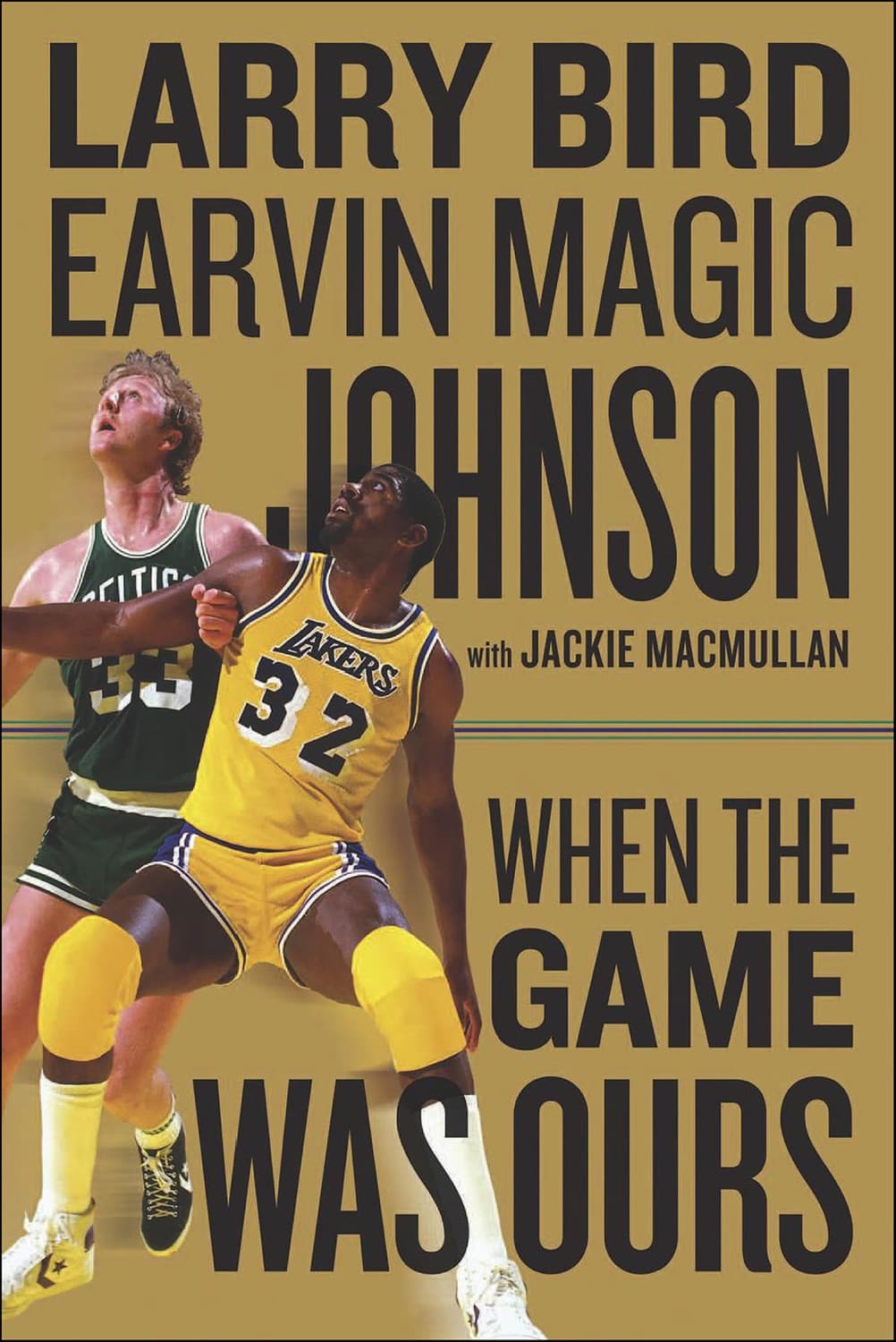
When The Game Was Ours
Larry Bird, Earvin Magic Johnson, Jackie MacMullan
When The Game Was Ours shows how rivalry becomes a product: narratives, matchups, and marketable greatness reinforce each other.
Rivalry sells by turning excellence into story
With Bird, Magic, and MacMullan, the book explains competition in plain terms while tying it to what fans, media, and business could use. It fits your request because it links personal excellence to the economic logic of attention and aspiration.
Mindfulness improves execution under pressure
Boys Among Men
Jonathan P. D. Abrams
Boys Among Men changes how you think about “development”: draft incentives and pipelines shape who gets refined and why.
Draft economics influence incentives for development
Abrams explains basketball talent pipelines through the incentives around drafting, training, and opportunities. For basketball and business, it is a reality check on how systems, money, and timing influence outcomes like performance and careers.
Leading with the Heart
Mike Krzyzewski, Donald T. Phillips
Leading with the Heart makes character, relationships, and standards feel like operational tools for managing people.
Trust plus standards creates commitment
Krzyzewski’s lessons focus on what leaders do consistently: build trust, demand excellence, and create buy-in without losing integrity. It suits basketball-and-business readers who want coach-tested management principles for culture and performance.
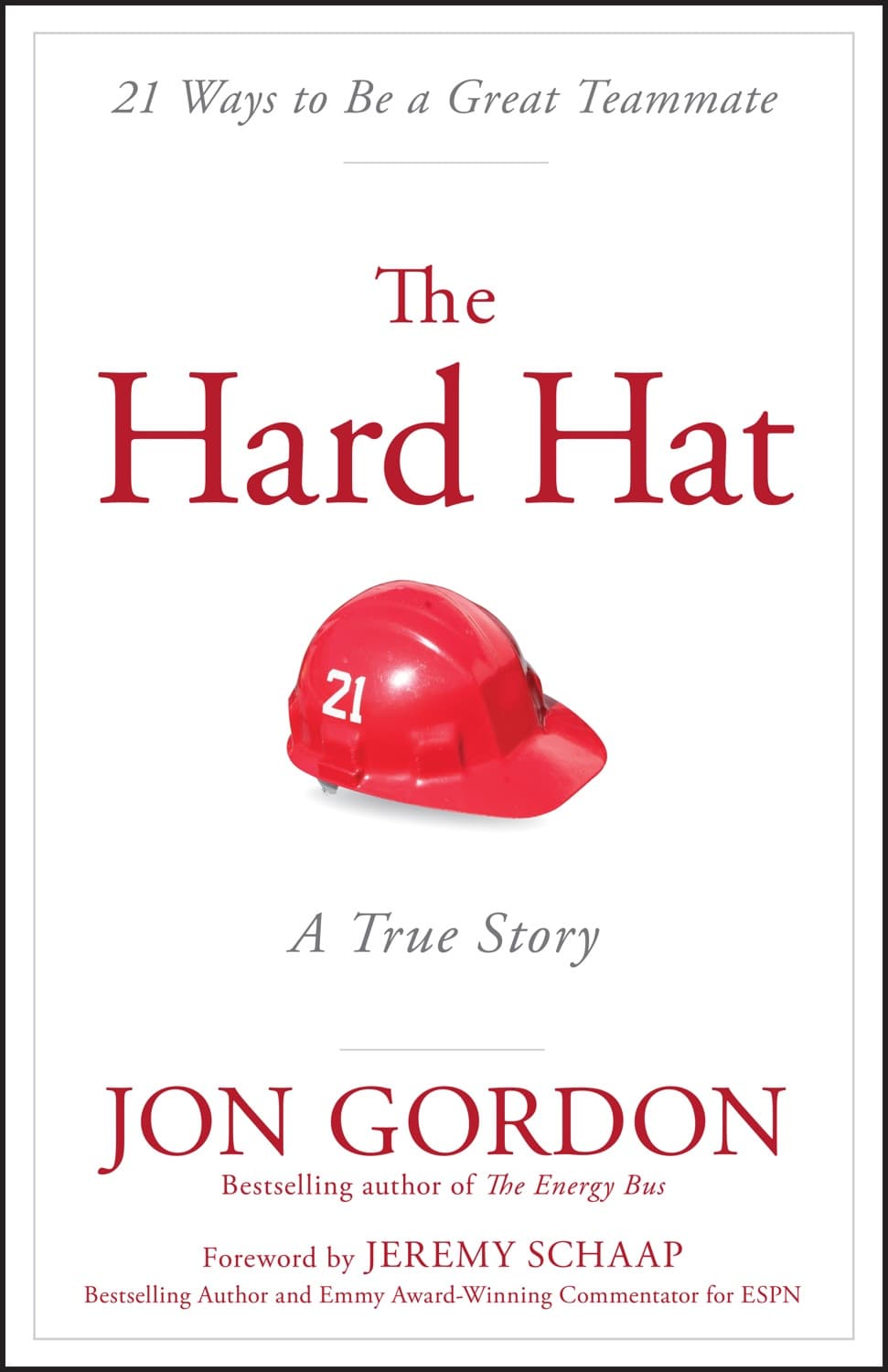
The hard hat
Jon Gordon
The hard hat turns “team” into a concrete workplace behavior: show up, cooperate, and hold the bar for everyone.
Team effort depends on shared responsibility
Gordon’s leadership parable draws from competitive sports culture to explain how teams function when effort is shared and responsibility is personal. For your topic, it is a straightforward bridge from basketball mindset to everyday business leadership.
Can we tailor this list for you?
Type your question in the bar below and the AI will tailor a fresh set of picks just for you.