Best Books on Michelin Star Restaurants
From kitchen systems to chef memoirs, the best books on Michelin-star restaurants reveal what true culinary excellence costs. Discover how elite chefs like Thomas Keller, Marco Pierre White, and Grant Achatz build world-class dining rooms.
White Heat
Marco Pierre White
Marco Pierre White’s story turns Michelin success into a ruthless apprenticeship where intimidation and precision are inseparable.
Excellence is trained through repeated, uncompromising correction.
As a memoir from Britain’s youngest three-Michelin-star chef, it’s less about glamour and more about the discipline that gets there. It suits Michelin-star restaurant interest by showing how standards are enforced, not merely admired.
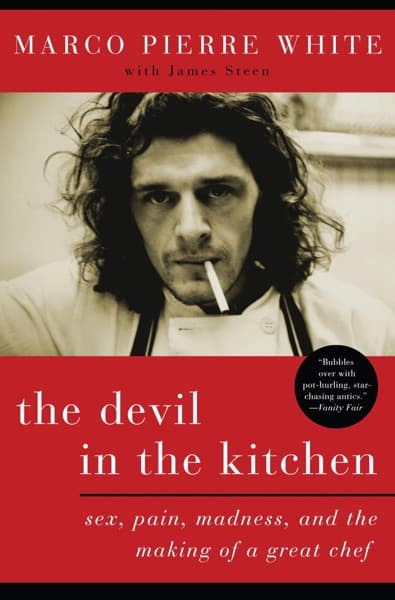
The Devil in the Kitchen
Marco Pierre White
Marco Pierre White frames cooking mastery as survival: ego, pain, and discipline converge under Michelin-level scrutiny.
Talent is nothing without controlled pressure and standards.
This memoir distills how a three-star mindset is forged, from standards to hierarchy to consequences. It helps with Michelin-star restaurant interest by showing what gets sacrificed to keep the lights on and the bar high.
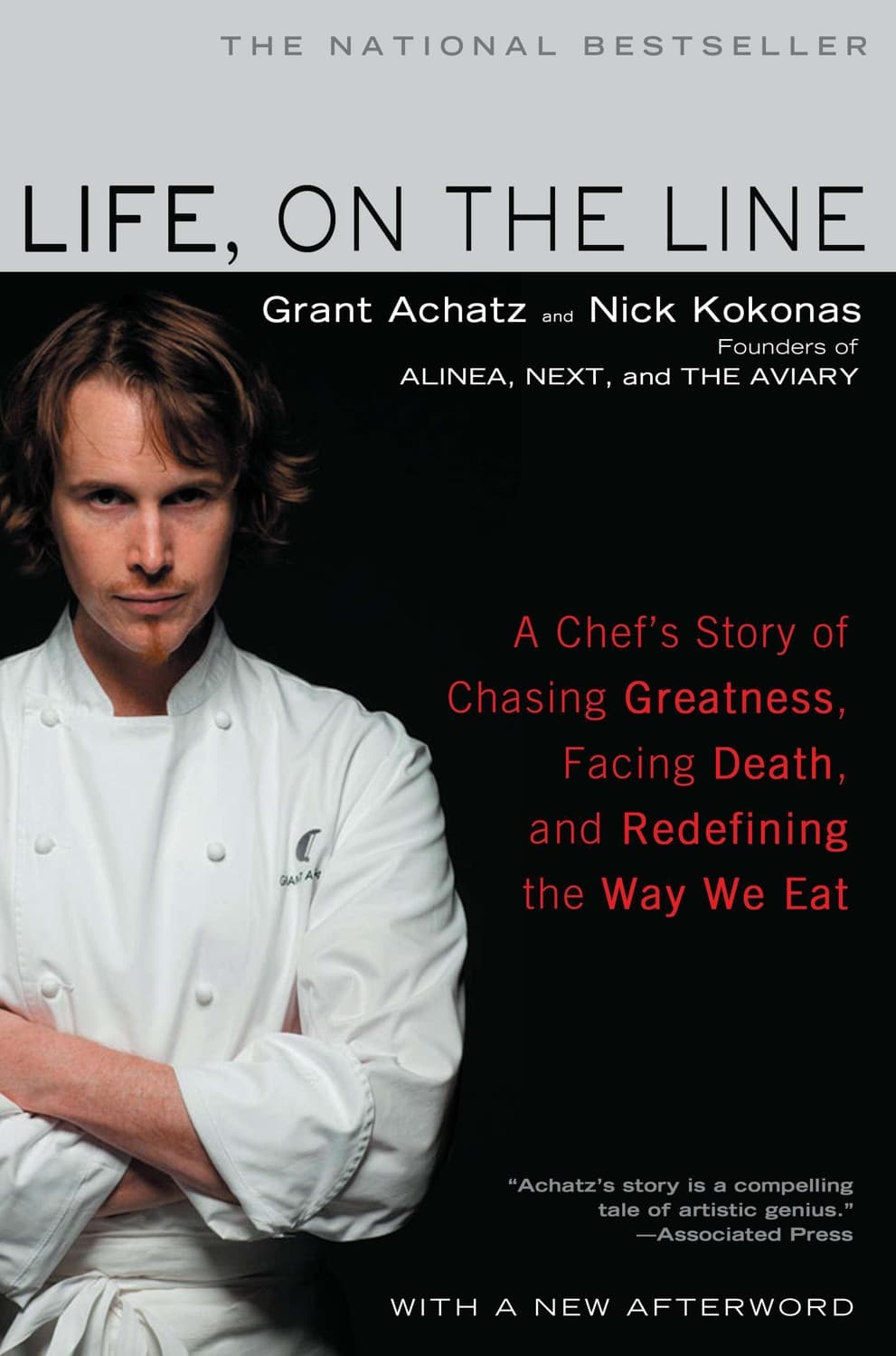
Life, on the Line
Grant Achatz, Nick Kokonas
Building Alinea meant turning ambition into a daily system: culture, training, and risk management alongside creativity.
Culture is built into the schedule, not just the mission.
Achatz and Kokonas write the restaurant-building mechanics behind a landmark Michelin-starred dining room. For Michelin restaurants, it shifts the lens from chef mystique to how a top kitchen actually runs and evolves.
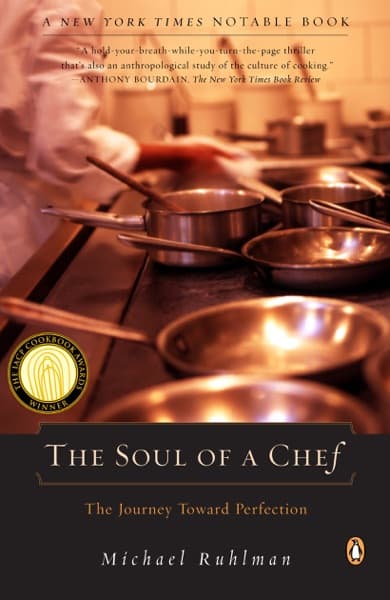
The Soul of a Chef
Michael Ruhlman
Ruhlman shows excellence as a craft path: mastery comes from habits, mentorship, and the willingness to keep being corrected.
A chef’s real tool is constant feedback.
This portrait of chefs chasing excellence across high-end kitchens maps the mindset Michelin kitchens reward: precision, curiosity, and relentless learning. It’s a useful companion if you want to understand the human thread running through Michelin-star dining.
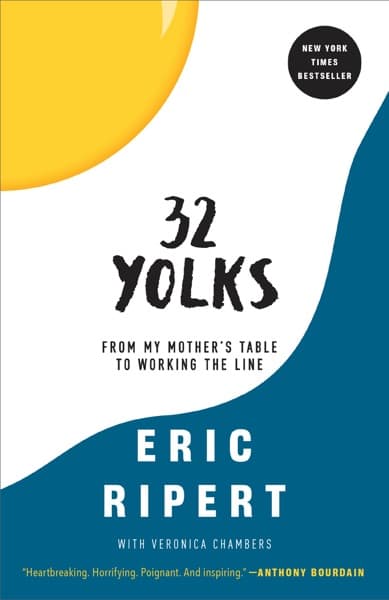
32 Yolks
Eric Ripert, Veronica Chambers
Eric Ripert’s path to Le Bernardin turns cooking into a philosophy of restraint and care, where sauce and time do the talking.
Great cooking is mostly disciplined patience.
Ripert’s formative story connects Michelin recognition to how a chef thinks about ingredients, technique, and calm execution. For Michelin-star restaurants, it highlights the values behind the finishing: texture, balance, and respect for process.
Can we tailor this list for you?
Type your question in the bar below and the AI will tailor a fresh set of picks just for you.