Best Books on Luxury Hotel Industry
Luxury hotel industry reads like a craft, not a mystery: heads-in-beds operations realism meets Four Seasons and Ritz standards for guest experience you can actually run. Each book reframes service as systems, culture, and leadership.
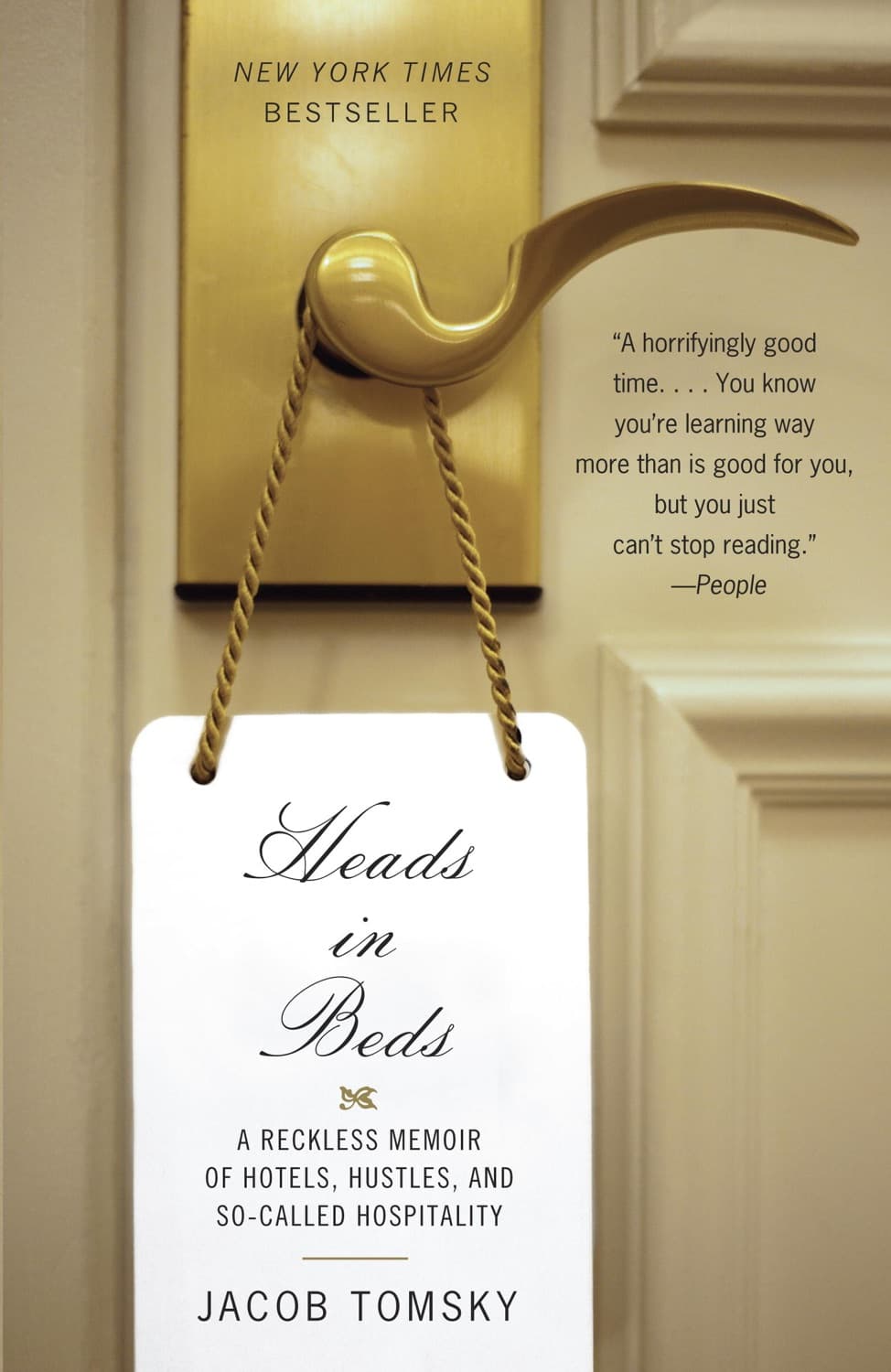
Heads in Beds
Jacob Tomsky
Hotel labor is the hidden engine of luxury, and this book proves how the smartest guest experience decisions start with the back office.
Guest experience is driven by incentives and labor design
Tomsky maps modern hotel operations, ownership pressures, and guest-service tradeoffs into a single view of how hotels really work. That focus fits luxury hospitality because premium service lives or dies by staffing, incentives, and process, not just charisma.
Hotel
A. K. Sandoval-Strausz
Hotel culture is an invention with fingerprints you can trace: from grand leisure to today’s commercial hospitality expectations.
Luxury hotel customs have historical roots, not accidents
Sandoval-Strausz builds a historical lens on how high-end hotels shaped service norms, customer roles, and hospitality institutions. For luxury hotel industry reading, the payoff is understanding where modern luxury rituals came from and why they persist.
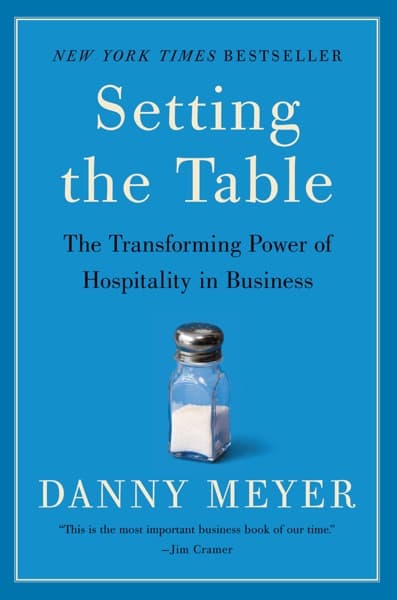
Setting the Table
Danny Meyer
Exceptional service comes from repeatable decisions about standards, training, and the “rhythm” of hospitality, not fancy gestures.
Great hospitality is a culture of standards and timing
Meyer turns restaurant hospitality philosophy into practical management principles that map cleanly onto hotel operations. If you’re aiming to understand luxury service culture, his framework helps translate brand promises into everyday behavior.
Be Our Guest
Theodore Kinni
Service excellence becomes teachable when you build a system around guest moments and on-the-floor recovery, not hope.
Train scripts for moments, plus recovery plans
Kinni focuses on the mechanics of service from a training-and-execution angle that transfers well to luxury hotels. It’s especially useful when you want a clear way to turn “luxury” into behaviors guests can feel.
The New Gold Standard: 5 Leadership Principles for Creating a Legendary Customer Experience Courtesy of the Ritz-Carlton Hotel Company
Joseph A. Michelli
Ritz-Carlton’s legend is supported by leadership principles that turn luxury into consistent, measurable behavior.
Legendary service is built through leadership principles, not slogans
This case study shows how a luxury brand codifies customer experience and empowers employees to deliver it. For the luxury hotel industry, it’s a direct bridge between “customer experience” and how leaders actually run the system.
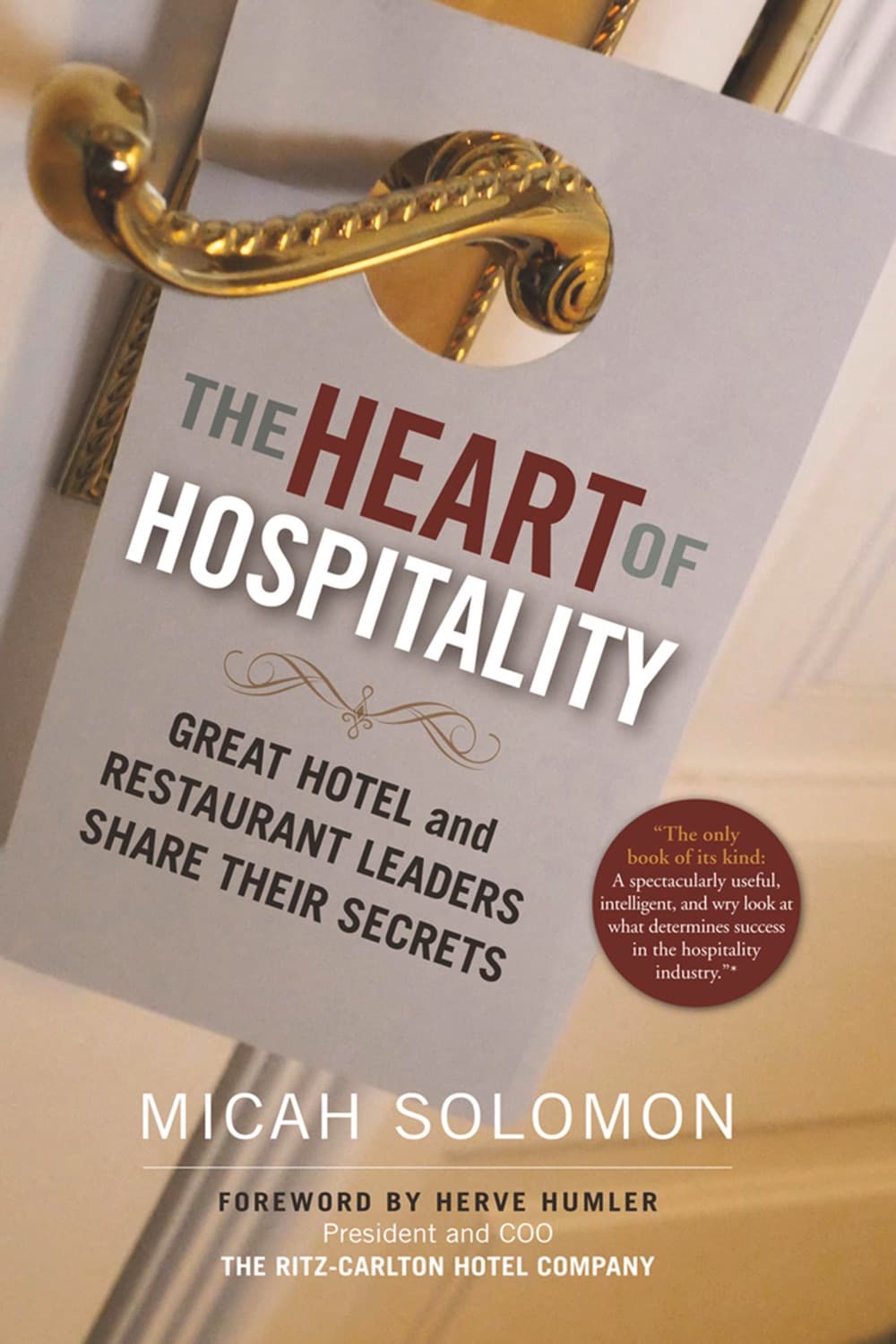
The Heart of Hospitality
Micah Solomon
The difference between average and premium service often comes down to attention under pressure: small choices that rescue guest expectations.
Hospitality is measured in recovery and proactive care
Solomon distills guest-experience fundamentals into practical guidance that hotel teams can apply day to day. It’s a strong match if you want to understand what “hospitality” means operationally in luxury settings.
Luxury hotel customs have historical roots, not accidents
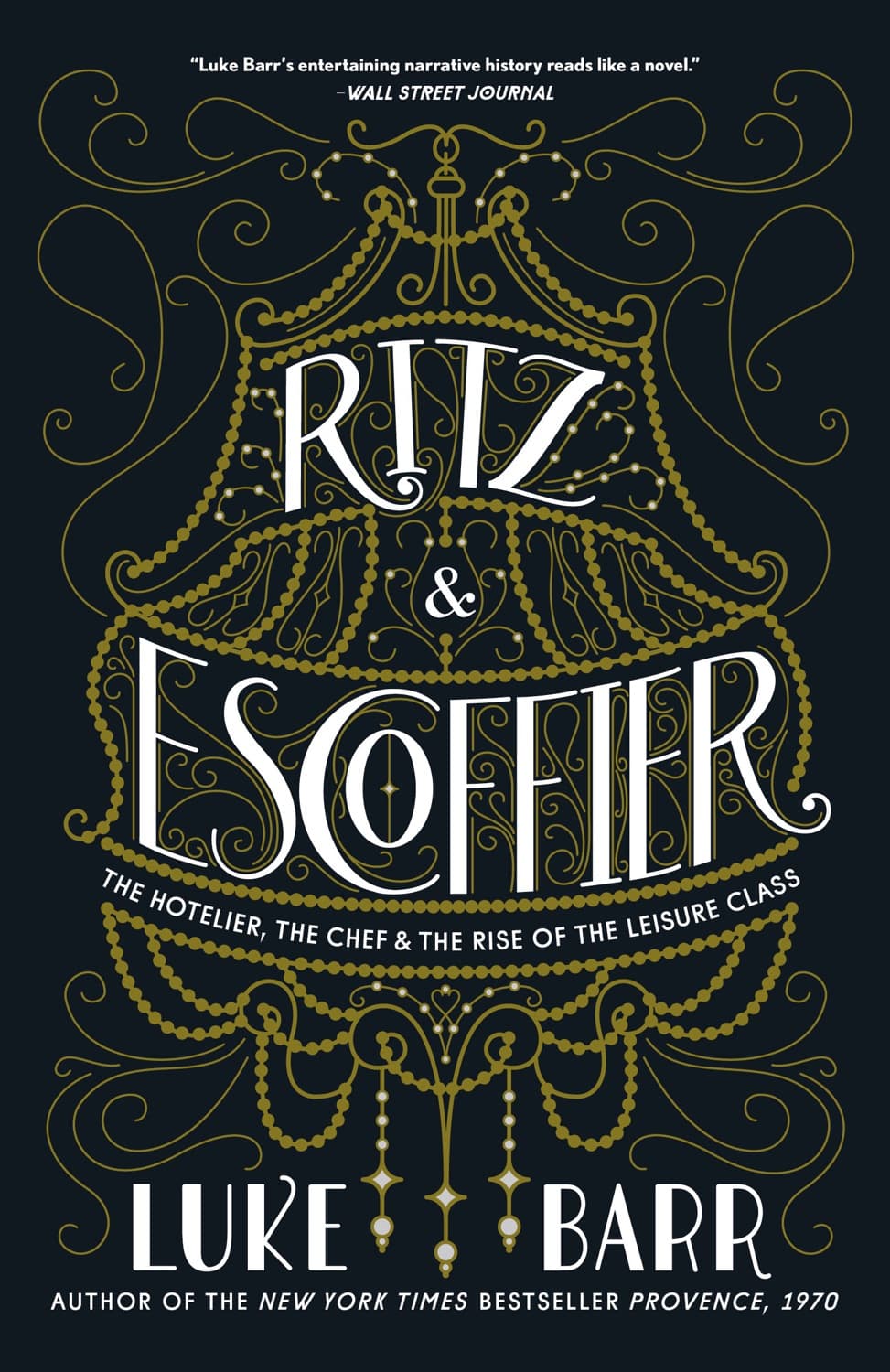
Ritz and Escoffier
Luke Barr
Luxury hotels were engineered by personalities and craft: César Ritz built a culture, and Escoffier made the standards culinary and cultural at once.
Luxury culture is authored by founders and standards makers
Barr’s story connects the creation of luxury hotel culture to the people and ideas that made service feel effortless. It helps you see luxury as a designed experience with origin points you can borrow from.
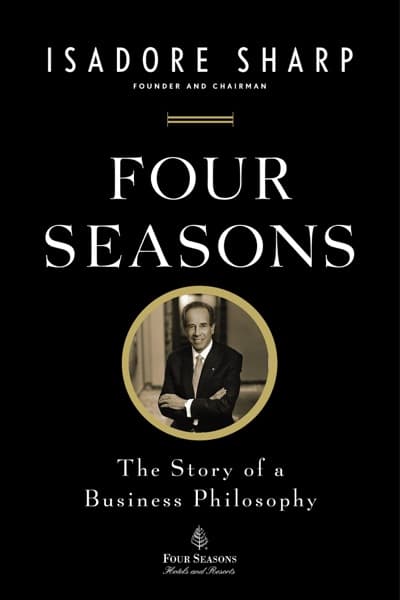
Four Seasons
Isadore Sharp
A single hotel philosophy can scale into a global luxury benchmark when it becomes a company-wide promise with operating discipline.
Consistency scales when philosophy becomes operating discipline
Sharp’s account explains how Four Seasons developed its reputation through consistent leadership decisions and service expectations. For luxury hotel industry learning, it’s valuable for seeing how brand quality survives growth and geographic change.
Managing Hospitality Organizations
Robert C. Ford, Michael C. Sturman
Luxury hospitality management works best when you understand organizations as systems: economics, operations, and people management all pull together.
Hospitality performance is a system, not a department
This is a broad management text that covers fundamentals across hospitality organizations. It helps if your luxury hotel goal includes running the business side too, but it may feel heavy if you want only hotel-specific service craft.
Can we tailor this list for you?
Type your question in the bar below and the AI will tailor a fresh set of picks just for you.