Best Books on Open Source Strategy
Open source strategy lives or dies on licensing, incentives, and governance. Heather Meeker’s Open Source for Business grounds the decisions, while Karl Fogel’s Producing Open Source Software shows how the system actually holds.
Open Source for Business
Heather Meeker
Turn open source from a legal checkbox into a repeatable business decision: define what to build, what to release, and how to protect your options.
Use licenses to shape obligations, not vibes.
Meeker connects strategy to licensing and real corporate trade-offs, so your open source choices are defensible and purposeful. That matters when you are trying to build an open source program that survives procurement, legal review, and long-term product planning.
Understanding Open Source and Free Software Licensing
Andrew M. St. Laurent
Learn the licensing logic that determines what you can combine, distribute, and offer back without accidentally breaking your strategy.
Licensing defines your future rights and duties.
St. Laurent builds the foundation behind sustainable strategy: how licenses work in practice, how compliance obligations arise, and why “free” still has legal constraints. If strategy is the goal, you need the licensing mental model that underpins every go-to-market and contribution decision.
The Open Organization
Jim Whitehurst
Reframe openness as a management system: transparency and distributed collaboration become a way to scale decisions, not just a culture slogan.
Openness is a governance and decision model.
Whitehurst translates open source principles into organizational practice, which helps when strategy requires internal alignment across roles and teams. This is especially useful when you want open source to improve how your company operates, not only what it releases.
Producing Open Source Software
Karl Fogel
Adopt the “maintainer’s view” so strategy becomes daily governance: who decides, how changes get accepted, and how momentum is preserved.
Rules create trust in open governance.
Fogel’s handbook treats project management and community rules as the core of open source success, not an afterthought. If your strategy goal is predictable outcomes from collaborative development, this gives you the operating system.

Working in Public
Nadia Eghbal
See open source sustainability as an incentives problem: maintainer time, funding flows, and project health metrics explain why critical software stalls.
Sustainability is incentives, not intention.
Eghbal connects how maintainers actually work to how companies and ecosystems should structure support. That directly informs strategy when you are budgeting contributions, planning partnerships, or deciding how to reduce long-term dependency risk.
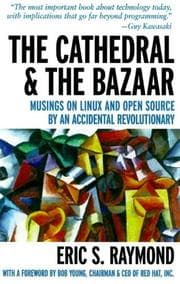
The Cathedral and the Bazaar
Eric S. Raymond
Shift from “one right way to build” to “many eyes improve the work,” and strategy changes from control to iteration.
The bazaar model converts review into improvement.
Raymond’s classic argues that open collaboration can outperform closed development under the right conditions. It helps you justify open source strategy in terms executives understand: quality emerges from feedback loops and community structure.
Licensing defines your future rights and duties.

Open sources
Chris DiBona, Sam Ockman, Mark Stone, Brian Behlendorf, Scott Bradner, Jim Hamerly, Kirk McKusick, Tim O'Reilly, Tom Paquin, Bruce Perens, Eric S. Raymond, Richard Stallman, Michael Tiemann, Linus Torvalds, Paul Vixie, Larry Wall, Bob Young
Hear open source strategy as practice, not theory, through voices who built the movement and debated the trade-offs.
Strategy emerges from real builders’ incentives.
This collection captures early strategy thinking across pioneers, which is useful when you want the original arguments behind adoption, contribution, and community dynamics. It is a strong grounding text when you are forming your own strategy narrative and need historical credibility.
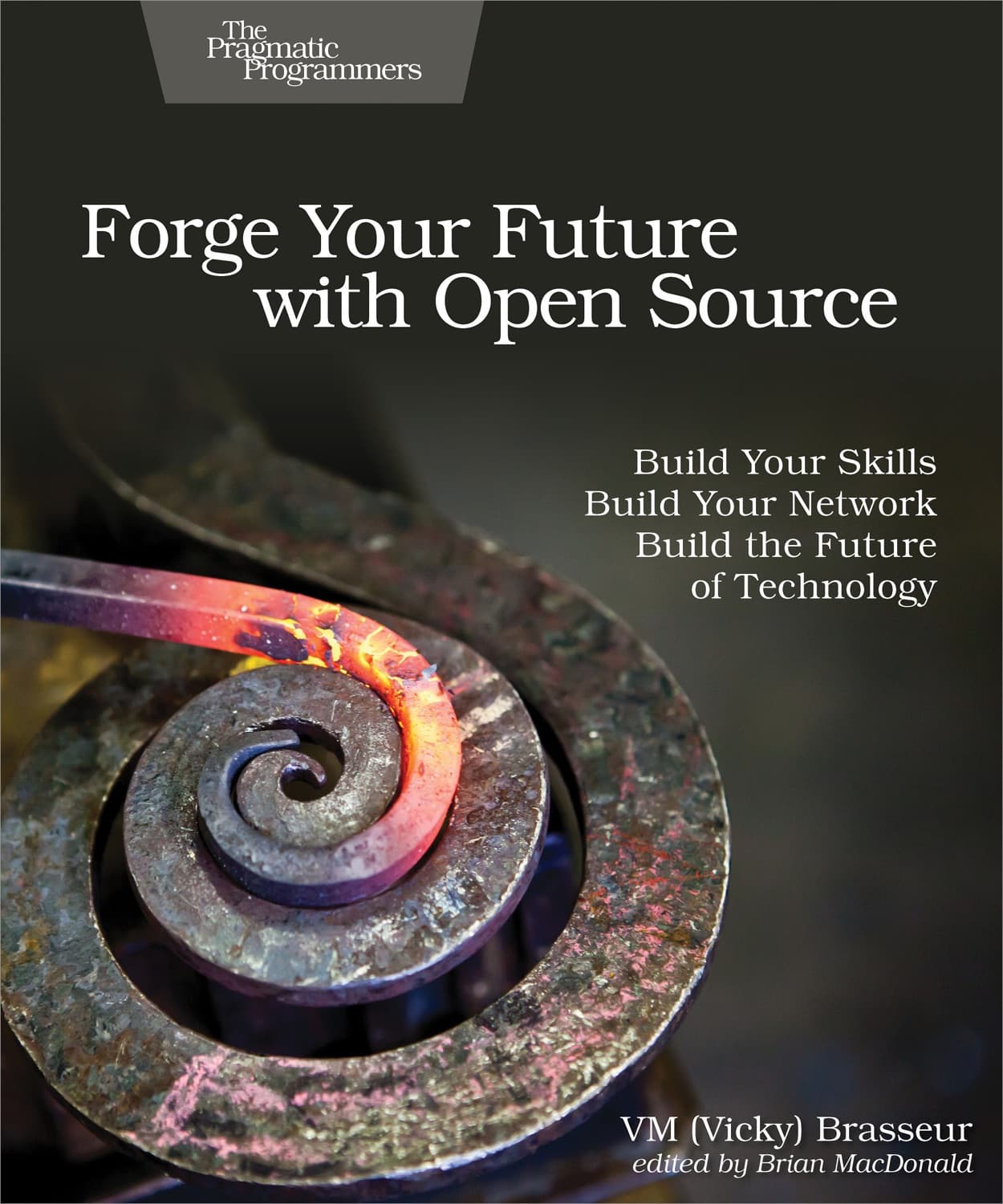
Forge Your Future with Open Source
VM (Vicky) Brasseur
Move from sporadic participation to ecosystem leverage: turn open source involvement into a structured growth and risk-reduction plan.
Treat ecosystems like long-term partners.
Brasseur offers a practical strategic approach to engaging open source communities, with attention to how companies create value and manage uncertainty. That fits the “strategy” goal when you need more than principles and want a repeatable way to decide actions.
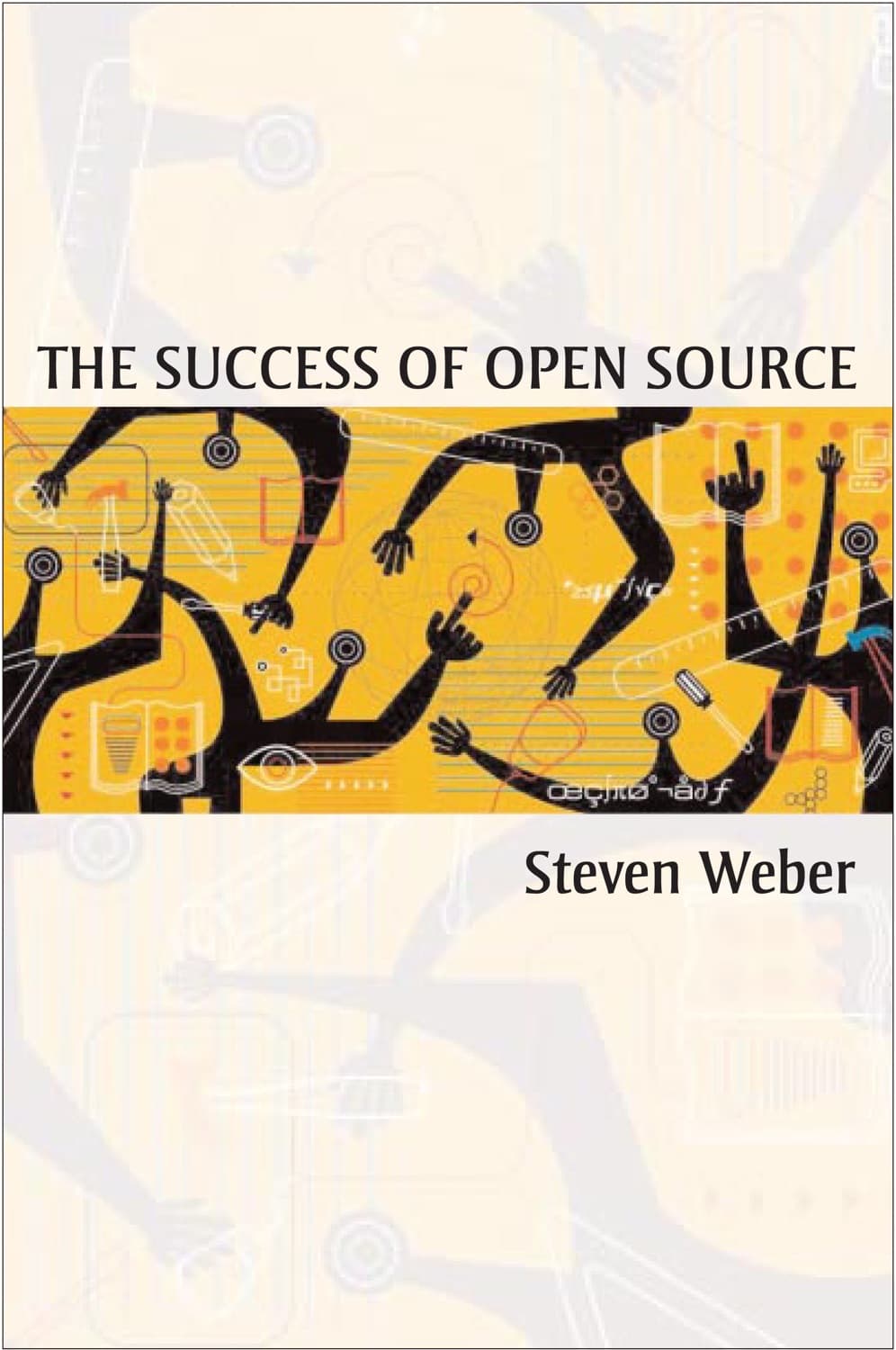
The Success of Open Source
Steven Weber
Understand why open source succeeds as politics plus economics: governance, participation, and stakeholder incentives create durable outcomes.
Open source success is institutional design.
Weber provides strategic analysis of how open source works at scale, including why participation systems can beat purely technical advantages. For strategy work inside organizations, this helps you frame open source decisions in terms of durable incentives and coordination.
Can we tailor this list for you?
Type your question in the bar below and the AI will tailor a fresh set of picks just for you.