The Best Climate Fiction: Novels of a Warming World
Climate fiction, or cli-fi, asks what data alone cannot answer: what does a warming world feel like? The strongest novels refuse to be lectures, putting ordinary people inside the slow catastrophe and letting the reader feel the ground shift. These range across the planet, because rising seas and failing harvests do not respect borders.
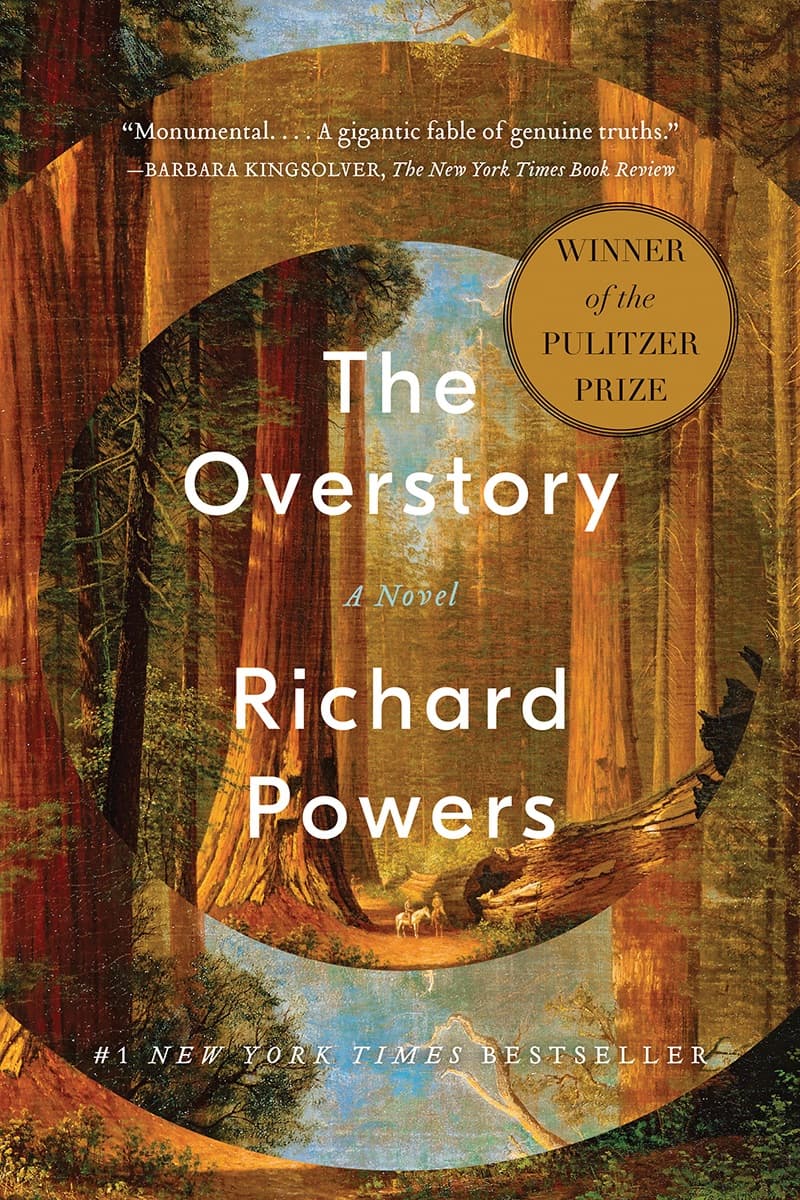
The Overstory
Richard Powers
Nine strangers are drawn together by the hidden life of trees.
The book's quiet argument, that trees communicate and cooperate across whole forests, reframes activism as an attempt to think on the timescale of something wiser than us.
Powers braids nine lives around the fate of America's last old-growth forests, moving from private grief to radical activism, and lets trees keep the real time of the novel while humans scramble.
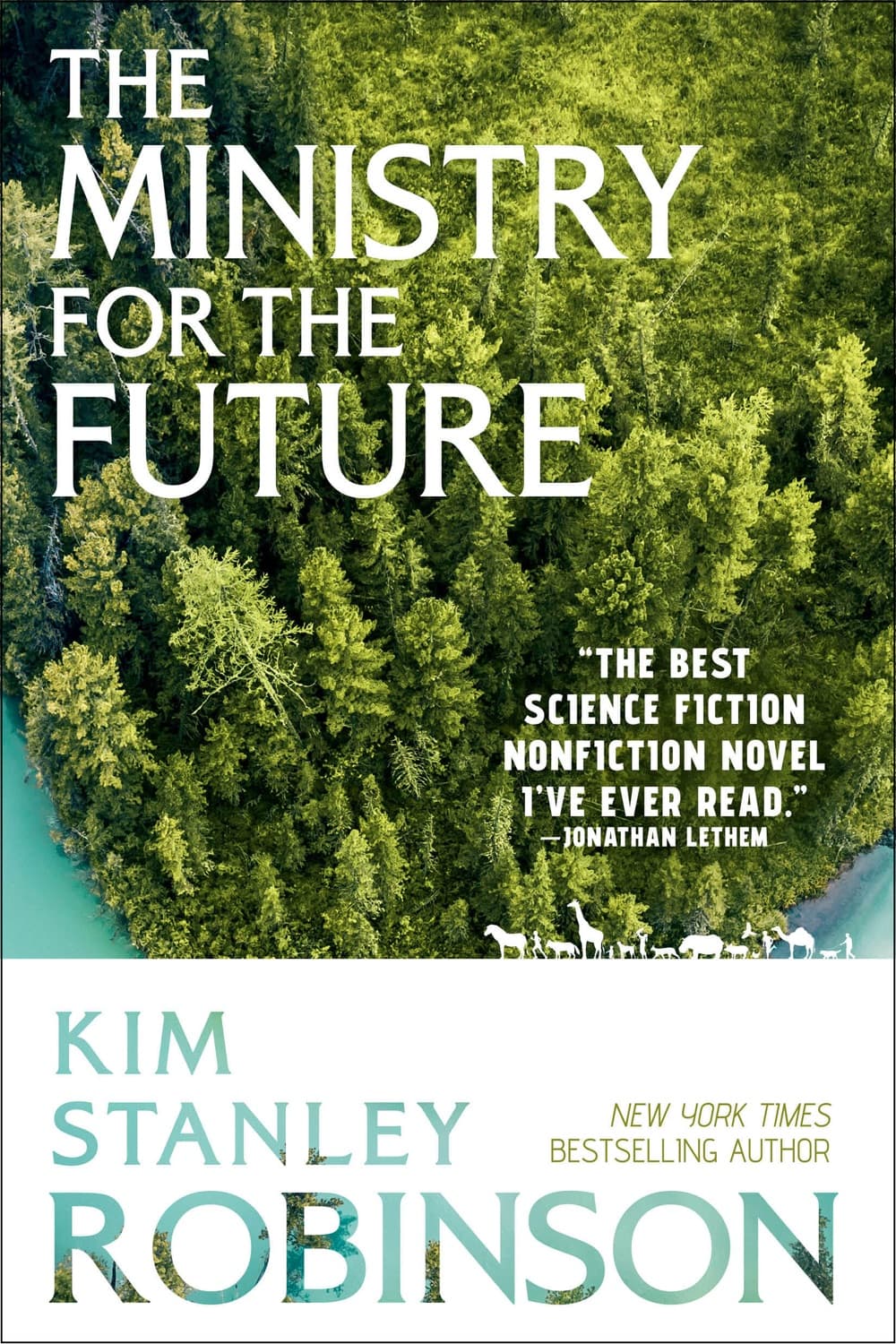
The Ministry for the Future
Kim Stanley Robinson
A deadly heat wave forces the world to finally take the climate seriously.
Its most radical idea is a carbon coin that pays people to leave fossil fuels in the ground, a reminder that the climate fight may be won in central banks as much as in the streets.
Robinson opens with a catastrophe in India, then follows an unglamorous UN agency across decades of policy fights, geoengineering, and finance as humanity claws its way toward stability.
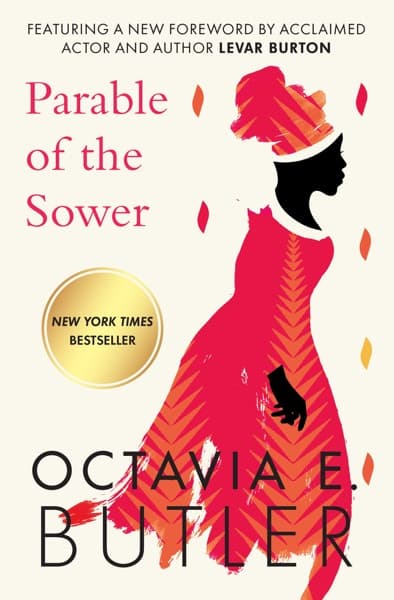
Parable of the Sower
Octavia E. Butler
A teenager walks north through a collapsed California, building a new faith as she goes.
Lauren's homemade scripture, that the only lasting truth is change and that we shape it or it shapes us, has made the novel a touchstone for a generation of climate readers.
Butler imagines a near-future America undone by drought, inequality, and privatized everything, and gives it a young Black narrator whose empathy is both a curse and the seed of something new.
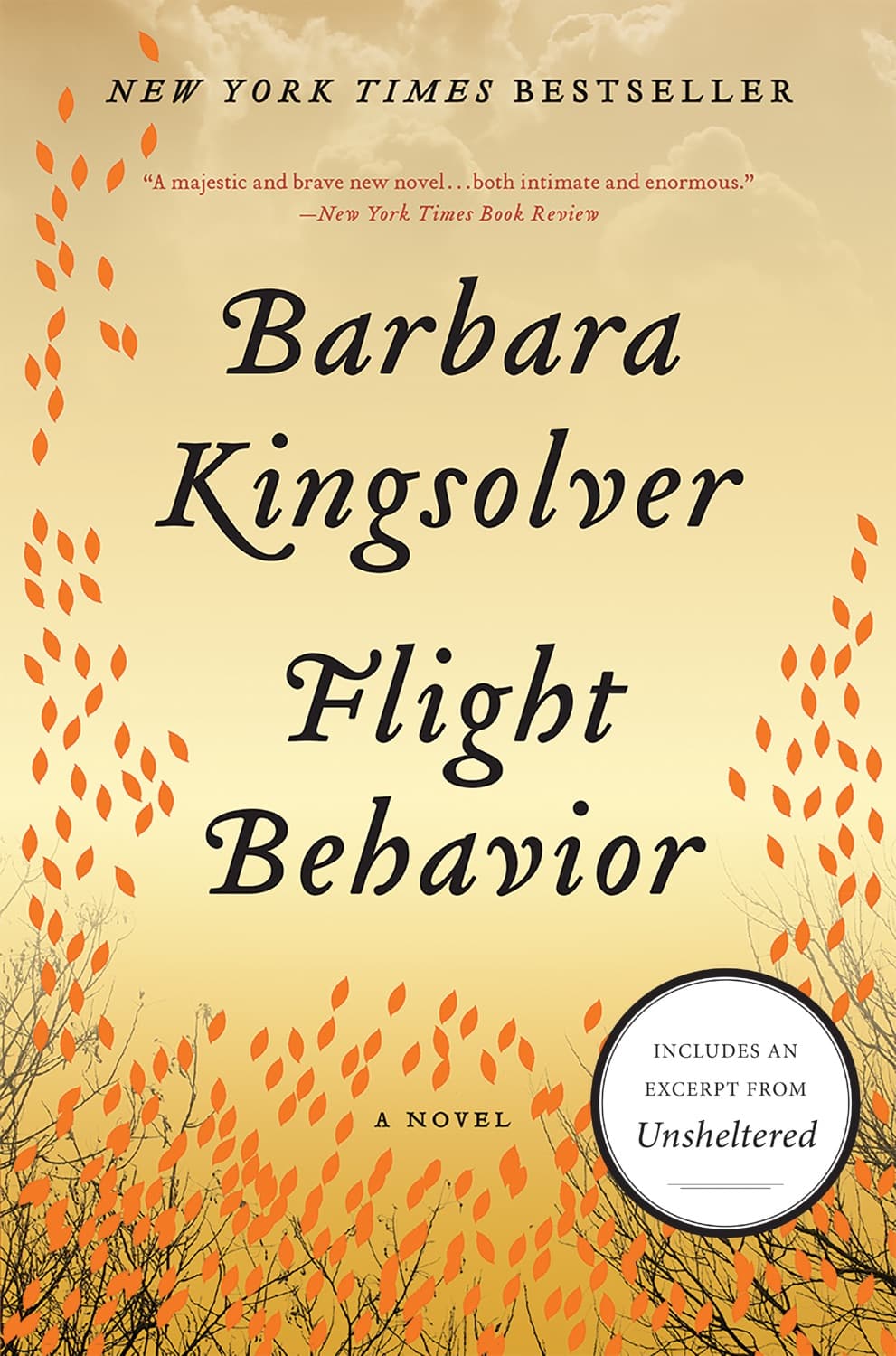
Flight Behavior
Barbara Kingsolver
A restless Appalachian mother finds a valley of monarch butterflies where they should not be.
The novel's real subject is who gets believed, as a scientist and a farmwife's wife discover that data changes no one's mind until it changes their life.
Kingsolver stays firmly in the present, using a displaced butterfly migration to dramatize how climate change reaches a poor Tennessee community and collides with faith, class, and science.

Oryx And Crake
Margaret Atwood
The last ordinary man remembers how a genius engineered the end of humanity.
The horror is corporate, not accidental, as a warming, deregulated world treats human beings and whole species as products to be redesigned or discontinued.
Atwood builds a scorching near-future of gated science compounds and vanishing coastlines, then narrows it to one survivor recalling the friend whose bioengineered utopia became extinction.
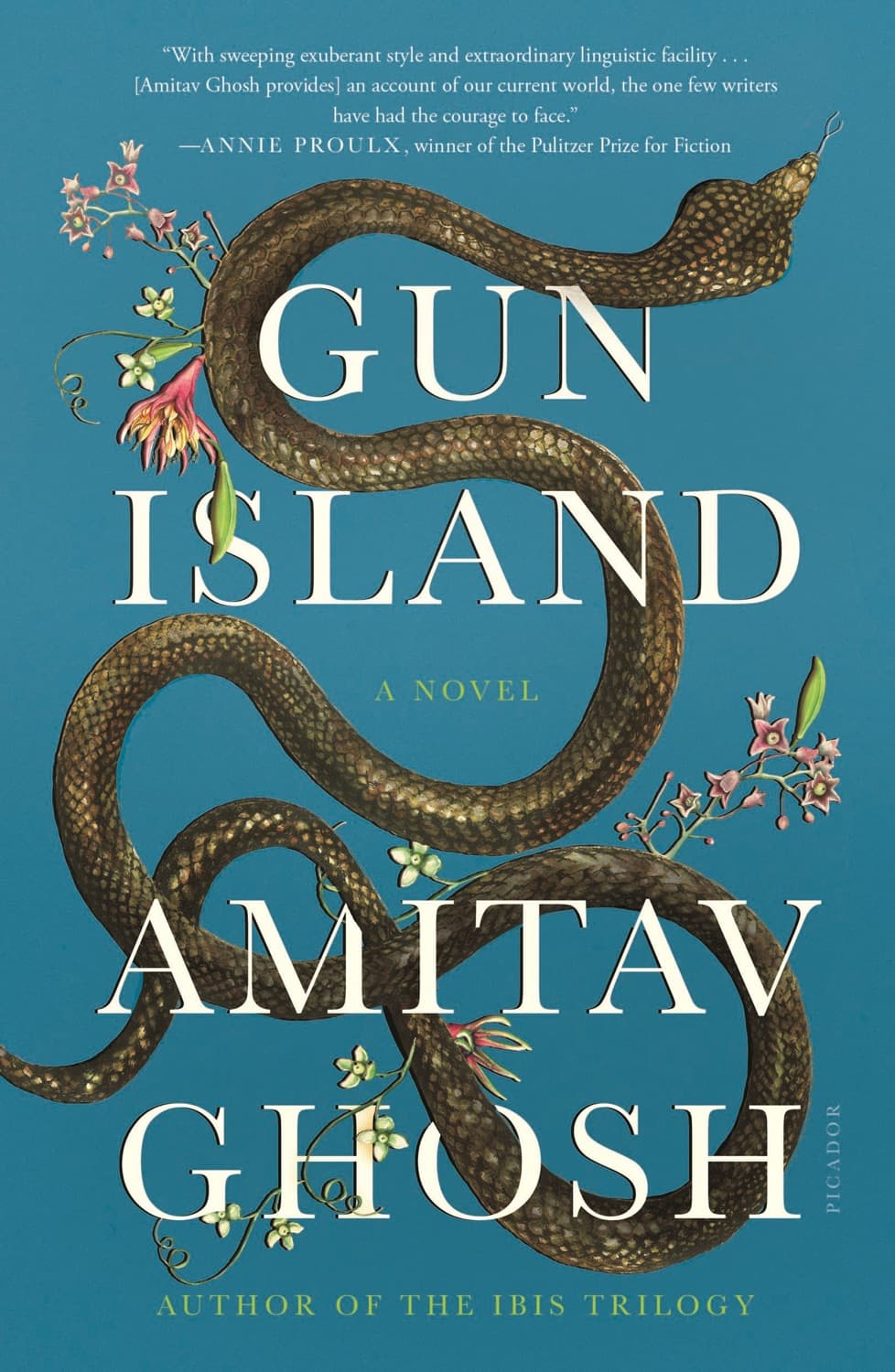
Gun Island
Amitav Ghosh
A rare-books dealer chases an old legend from the Sundarbans to a flooding Venice.
The novel makes migration the human face of warming, arguing that the same rising waters that erase homelands also scatter the people who remember them.
Ghosh ties a Bengali folktale to the present, following his narrator through cyclones, drowning islands, and desperate migration as myth and climate science begin to rhyme.
Its most radical idea is a carbon coin that pays people to leave fossil fuels in the ground, a reminder that the climate fight may be won in central banks as much as in the streets.
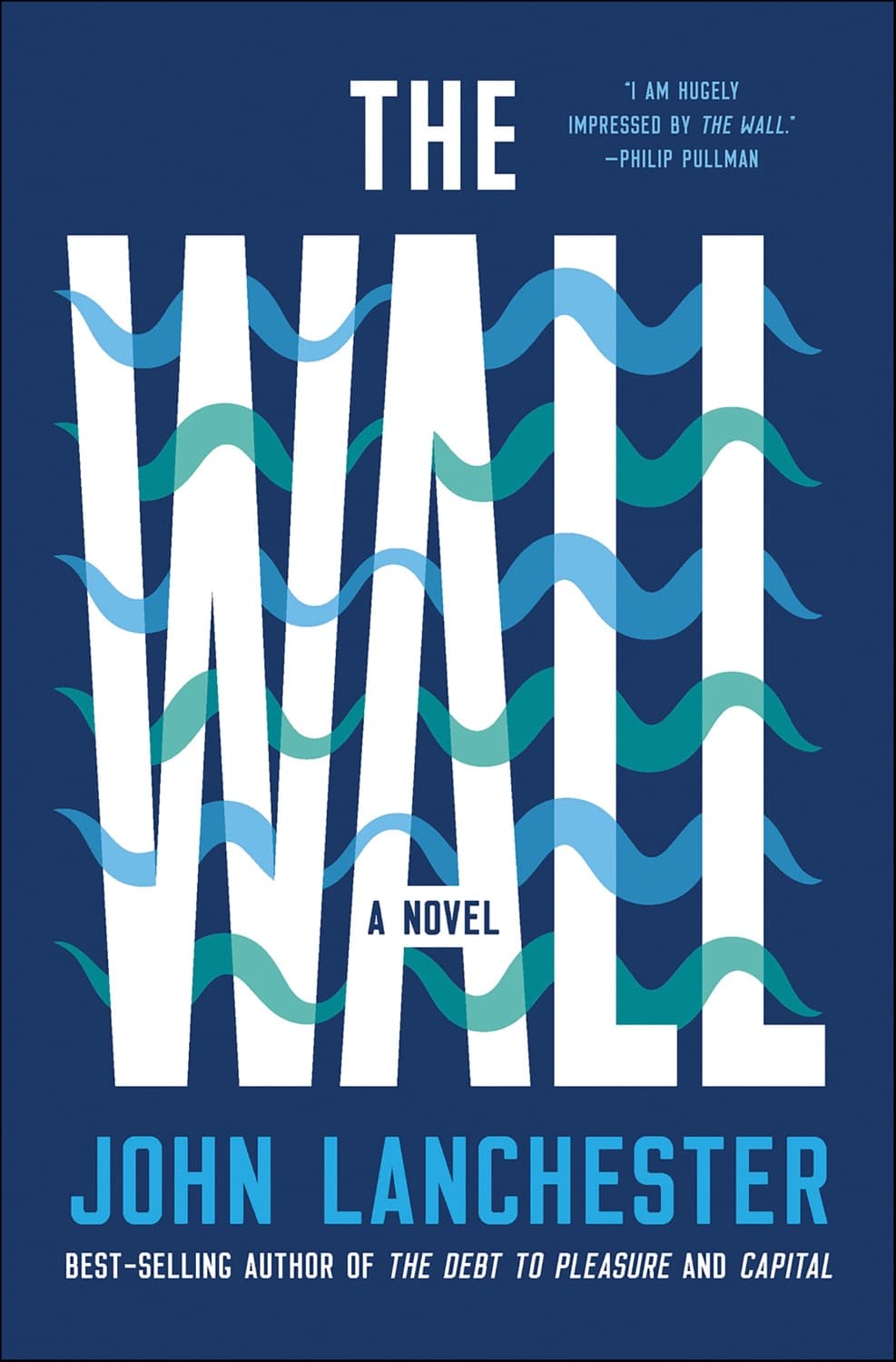
The Wall
John Lanchester
A young conscript guards a concrete wall that rings a drowned island nation.
The unspoken shame at the book's center is generational, as the young cannot forgive the elders who let the water in and then armed the border against its refugees.
Lanchester imagines a Britain after the seas have risen, where every citizen must serve time defending the coast against the desperate outsiders they call the Others.
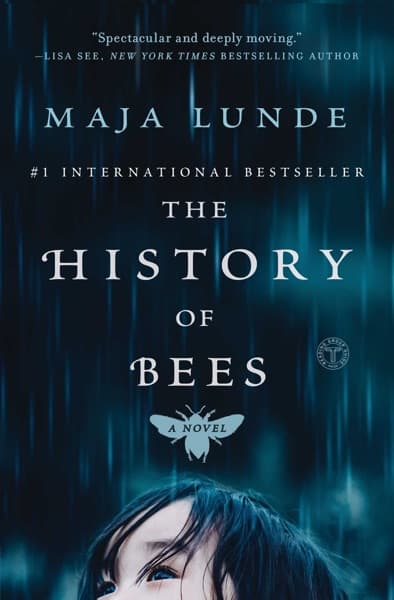
The History of Bees
Maja Lunde
Three families across three centuries are bound by the fate of the honeybee.
The 2098 thread, where humans climb trees to pollinate blossoms by hand, turns an abstract warning about insect loss into a vivid picture of the labor a broken ecosystem demands.
Lunde weaves England in 1852, America in 2007, and a bee-less China in 2098 into one story about pollination, showing how a small collapse ripples into famine and hand-pollinated fields.
Can we tailor this list for you?
Type your question in the bar below and the AI will tailor a fresh set of picks just for you.