Best Analog Horror and Found-Document Fiction Novels
Analog horror thrives on dread that looks like found media: degraded VHS tapes, emergency broadcasts, and documents that should not exist. On the page it merges with the older found-document and epistolary tradition, telling stories through assembled artifacts whose very format becomes the source of fear.
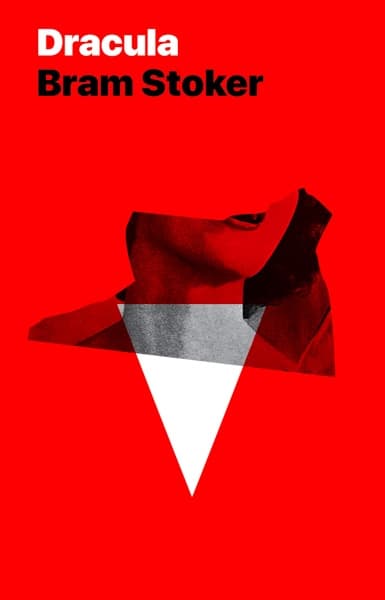
Dracula
Bram Stoker
The Victorian original that told its horror entirely through letters, diaries, and news clippings.
The novel's terror comes from characters who each hold one piece of the truth and cannot see the whole until it is nearly too late.
Stoker withholds any single narrator, so the reader pieces the vampire together from journals and telegrams, setting the template every found-document horror since has borrowed.
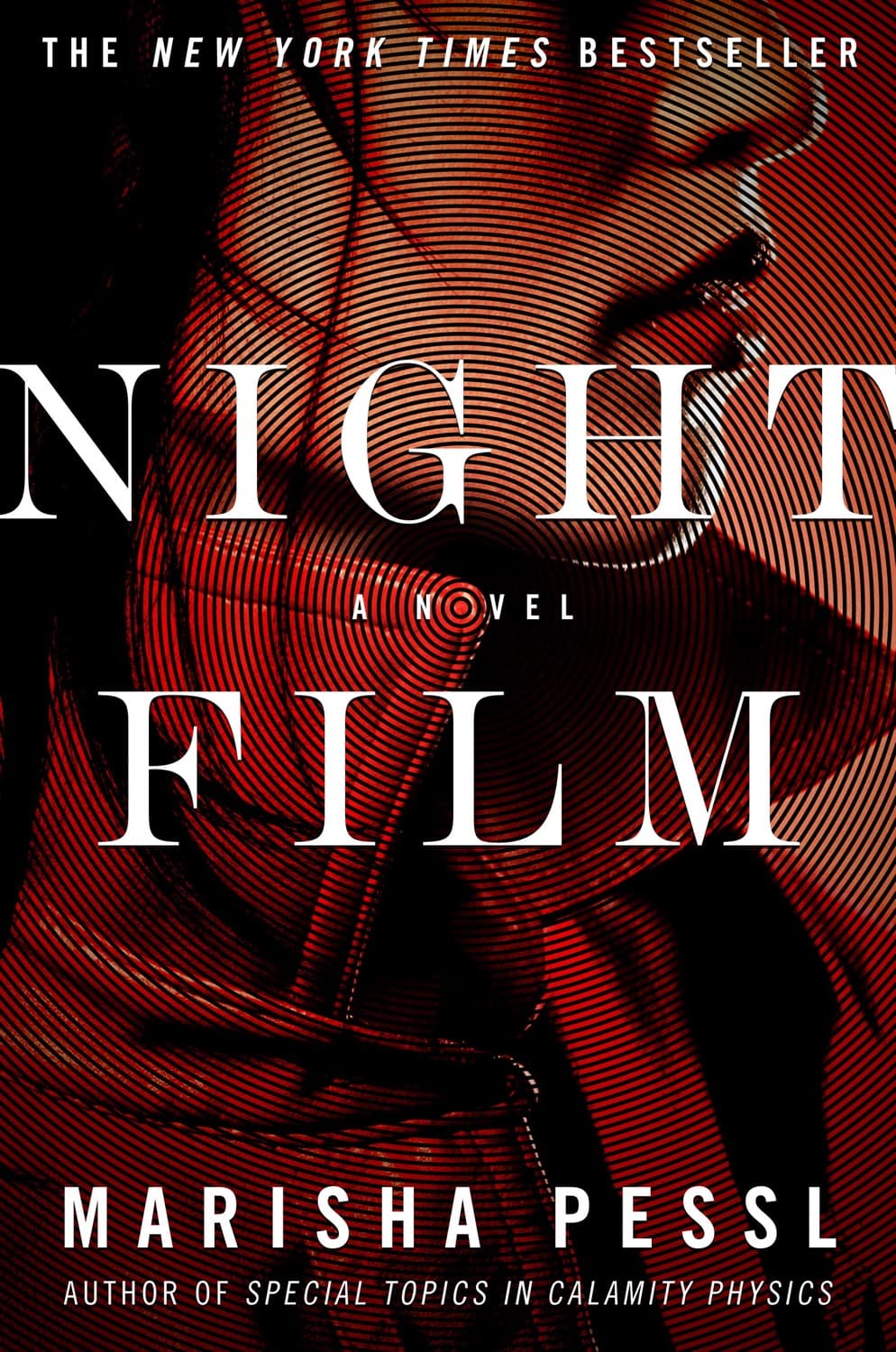
Night Film
Marisha Pessl
A disgraced journalist investigates a reclusive horror director whose films may be genuinely cursed.
The book dares you to decide whether the horror is supernatural or simply the wreckage a controlling artist leaves behind.
Pessl embeds fake web pages, magazine articles, and case files into the narrative, so the investigation into the director's dead daughter unfolds as evidence the reader sifts.
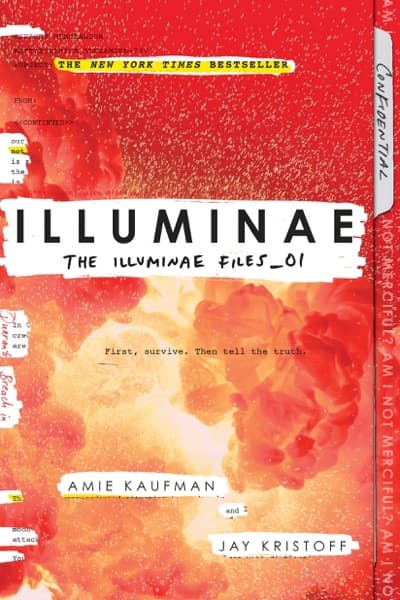
Illuminae
Amie Kaufman, Jay Kristoff
A teenage evacuation from a mining colony told entirely through hacked files, chat logs, and schematics.
Presenting a disaster as a stack of recovered documents makes every redaction and missing page feel like a withheld body count.
Kaufman and Kristoff assemble the story from redacted transcripts and ship diagrams, and a malfunctioning AI turns the dossier format itself into a source of genuine horror.
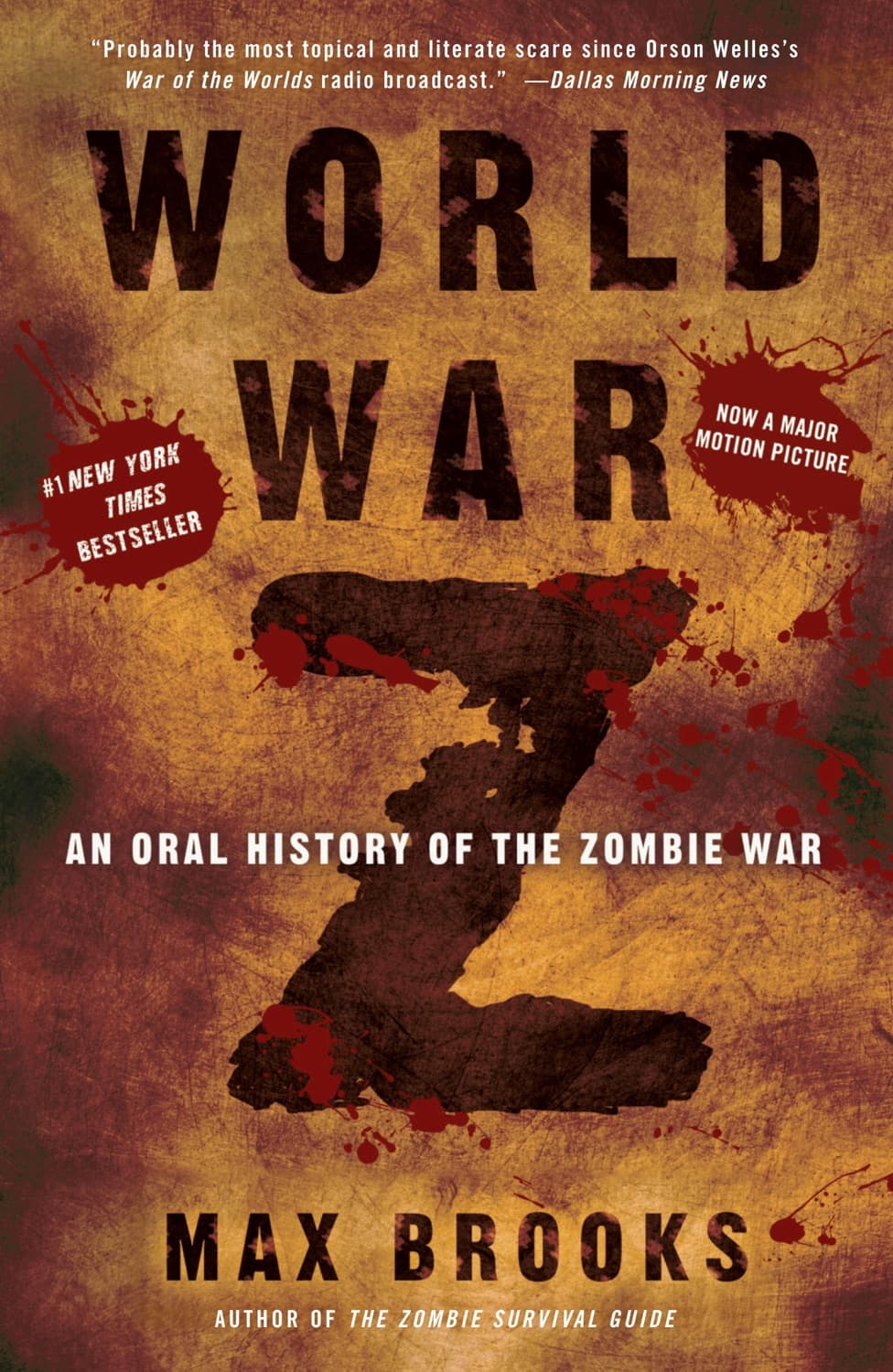
World War Z
Max Brooks
An oral history of a global zombie war, told as interviews collected years after the fact.
By framing catastrophe as dry after-action interviews, the book makes a zombie apocalypse read like credible history.
Brooks writes the whole novel as a researcher's assembled transcripts, so the horror arrives as sober testimony from survivors around the world rather than as a single plot.
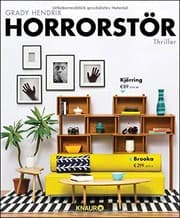
Horrorstor
Grady Hendrix
A haunted big-box furniture store, told through the store's own glossy product catalog.
The cheerful language of flat-pack furniture turns genuinely sinister once the products start describing instruments of punishment.
Hendrix formats the book as an IKEA-style catalog, complete with order forms and floor plans that grow more disturbing as the night shift goes wrong, weaponizing corporate design as dread.
The Historian
Elizabeth Kostova
A scholar's hunt for the real Dracula, unspooled through inherited letters and archives across Europe.
The novel argues that the most dangerous thing a historian can do is take the primary sources at their word.
Kostova nests decades of correspondence and research notes inside one another, so the reader chases the vampire through documents exactly as her characters do in dusty libraries.
Can we tailor this list for you?
Type your question in the bar below and the AI will tailor a fresh set of picks just for you.