Best Quest Fantasy Books
Quest fantasy sends a small company down a long road toward one distant goal: a mountain to reach, a throne to win, a shadow to name. The best of these make the journey change the travelers as much as the world they cross. This shelf runs from the founding classics to the modern books that argue with them.
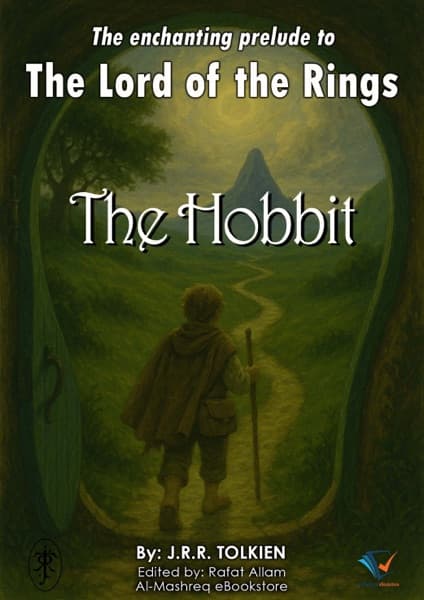
The Hobbit
J. R. R. Tolkien
A comfortable hobbit is bustled out his door to help thirteen dwarves reclaim a mountain from a dragon.
The real treasure Bilbo carries home is not gold but the nerve he found on the road, which is why he can face the Battle of Five Armies at all.
This is the quest template in its purest form: one clear objective, a road full of trolls and goblins and riddles, and a hero who is remade by the walking. Every later quest fantasy is measured against Bilbo's journey there and back again.
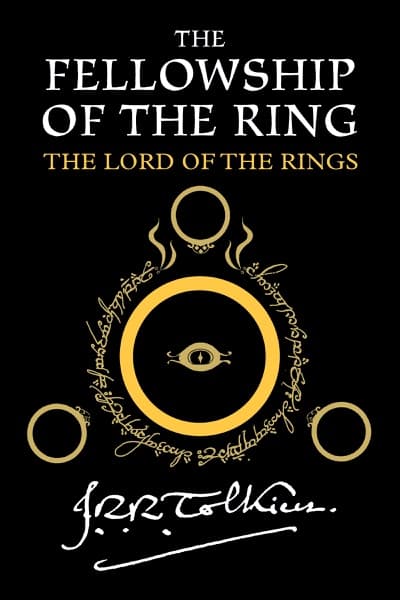
The Fellowship of the Ring (The Lord of the Rings, Book 1)
J. R. R. Tolkien
Nine walkers set out to carry the one Ring to the only fire that can unmake it.
The quest works because the object of power must be thrown away, not wielded, inverting every treasure-hunt story that came before it.
Tolkien turns a delivery errand into the defining quest of the genre by making the goal destruction rather than acquisition. The Fellowship's slow fracture on the road shows that the greatest danger to a quest is the company's own hearts.
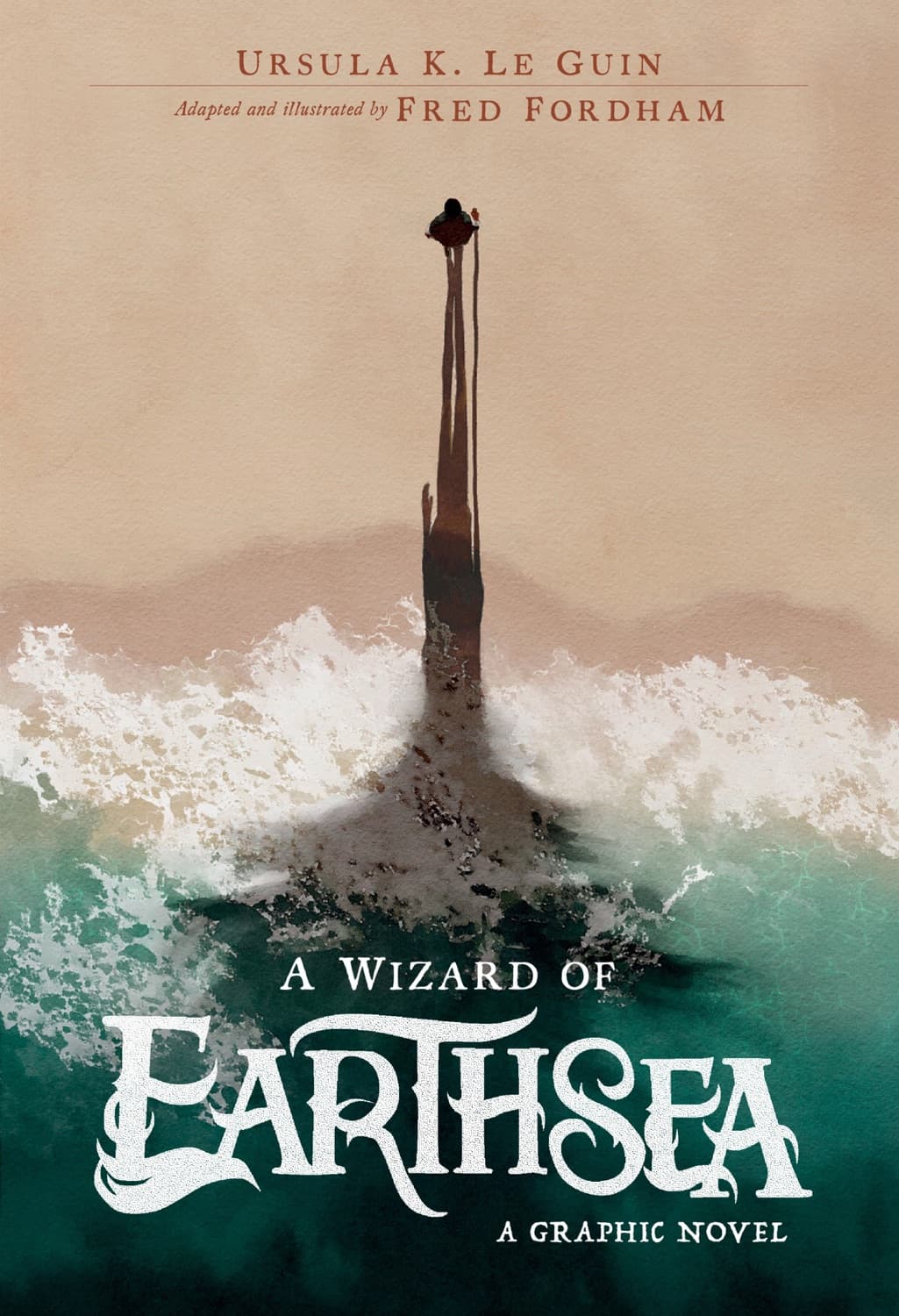
A Wizard of Earthsea
Ursula K. Le Guin
A gifted young mage looses a shadow into the world and must chase it to the edge of the sea.
Ged wins not by killing the shadow but by naming it with his own name, because the thing he fled was always part of him.
Le Guin flips the quest inward: Ged pursues a monster that turns out to be the loosed dark half of himself. The journey across the archipelago is a map of a boy learning that true power lies in restraint and knowing a thing's true name.
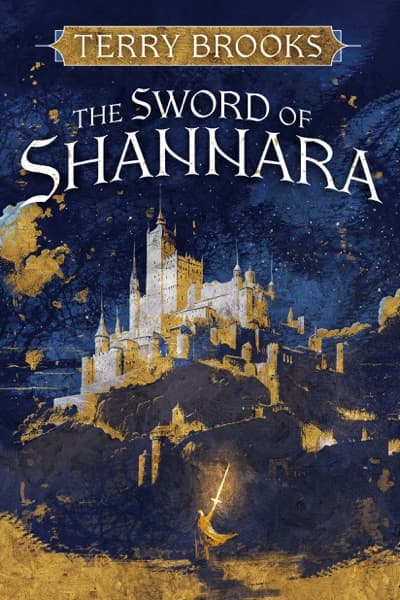
The Sword of Shannara
Terry Brooks
A half-elf farm boy learns he is the last heir who can wield the sword that can stop a warlock lord.
The sword's power is not magic but honesty, forcing anyone who holds it to see the truth of themselves, which is why the villain cannot bear its touch.
This is the book that proved the post-Tolkien quest could sell a whole genre, following the classic beats with unembarrassed clarity: chosen heir, wise guide, perilous road, a weapon that only works for the one who understands its truth. It launched modern commercial fantasy.
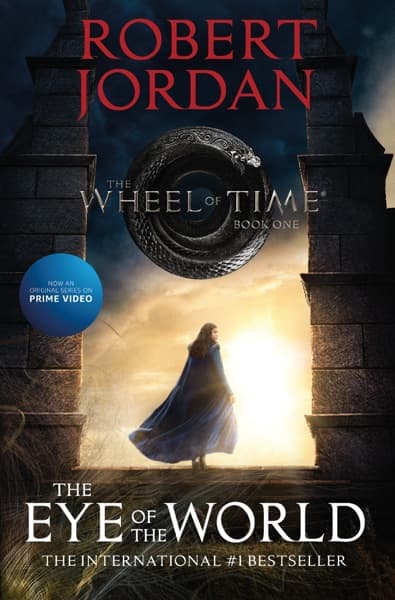
The Eye of the World. Robert Jordan
Robert Jordan
Three village youths flee their burning home with a mysterious woman and never stop running toward their fate.
The opening deliberately echoes Tolkien's road out of the Shire, then swerves, signaling that the familiar quest will be turned into something far stranger.
Jordan opens his enormous saga as a tight flight-and-pursuit quest, a small band chased across a widening world toward an object of power at its northern edge. It shows how the road-story bones can carry an epic that will eventually hold nations.
Pawn of Prophecy
David Eddings
A kitchen boy on a quiet farm is swept into a hunt for a stolen god-stone across every kingdom of the West.
Eddings sketched the whole plot as a deliberate study of quest-story archetypes first, then wrote the novels to fit, which is why the beats land so cleanly.
Eddings built the comfort-food quest with such craft that the tropes feel like virtues: a ragtag company, a wry sorceress aunt, a road that crosses a dozen distinct cultures. It is the friendliest possible on-ramp to the traveling-fellowship story.
The quest works because the object of power must be thrown away, not wielded, inverting every treasure-hunt story that came before it.
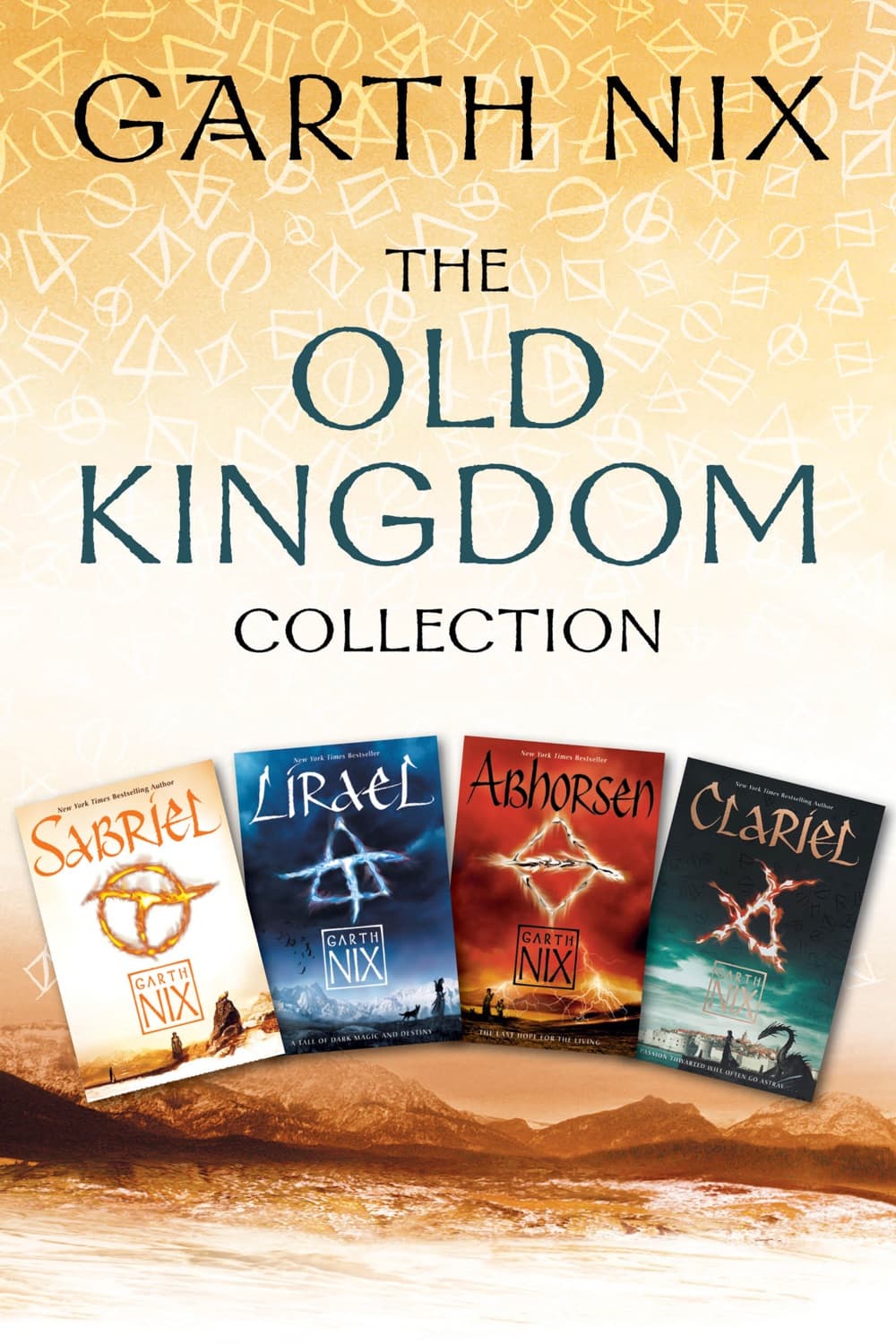
Sabriel: The Old Kingdom 2
Garth Nix
A schoolgirl crosses the Wall into a magic-riddled kingdom to find her father, a necromancer lost among the dead.
The magic runs on hand-rung bells, each with its own will, so Sabriel's quest is also a lesson in wielding tools that can turn on the one who sounds them.
Nix delivers a complete quest in one volume: a journey into a decaying land with a clear goal, a bell-wielding heroine who walks into Death itself, and a road that grows more dangerous with every river of the dead she crosses. It proves the form does not need a shelf of sequels.
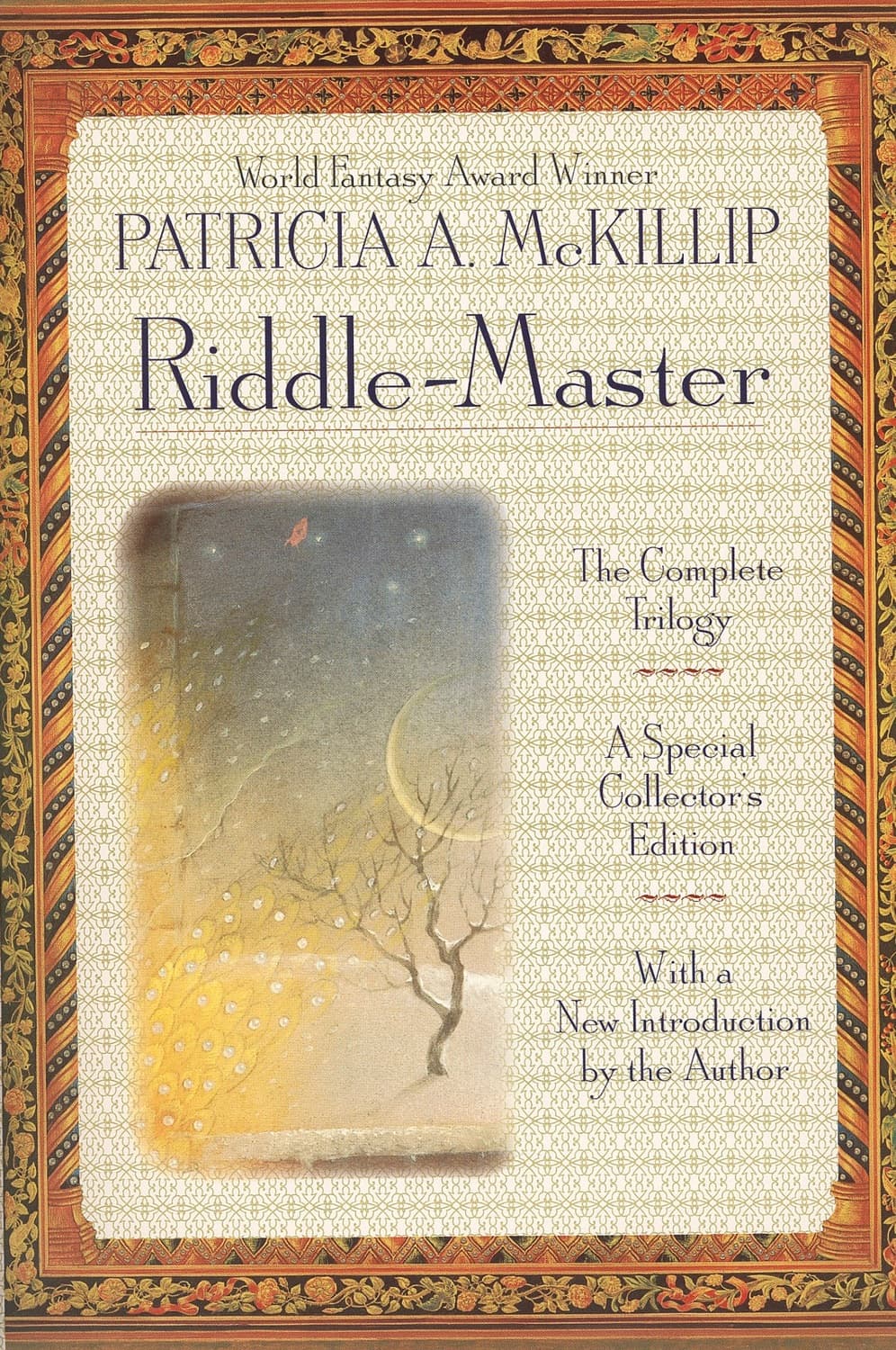
The Riddle-Master of Hed
Patricia A. McKillip
A quiet prince born with three unexplained stars on his brow leaves his island to learn what they mean.
The whole world runs on riddle-games where a wrong answer means death, so Morgon's quest is won with questions, not swords.
McKillip writes the quest as a slow unraveling of a riddle rather than a march toward a battle, and her luminous prose makes the search for identity feel genuinely mysterious. It is the overlooked masterpiece of the traveling-to-understand-yourself strand of the genre.
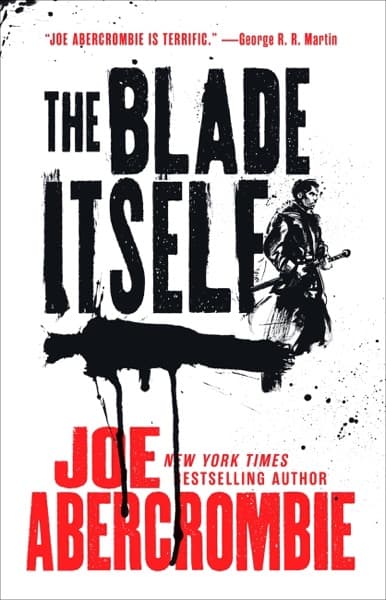
The Blade Itself
Joe Abercrombie
A crippled torturer, a vain swordsman, and a barbarian are gathered by a wizard for a journey none of them wants.
The wizard who gathers the fellowship is the least trustworthy figure in the book, weaponizing the reader's faith in the wise-guide trope.
Abercrombie assembles a classic quest company and then interrogates every convention, letting the noble journey curdle into something grubbier and more human. It is the essential modern rebuttal to the genre this shelf is built on, and it earns the argument.
Can we tailor this list for you?
Type your question in the bar below and the AI will tailor a fresh set of picks just for you.