Best Bildungsroman Novels
The bildungsroman follows one young mind from unformed to settled: a protagonist who leaves home, collides with the world, and arrives at some hard-won sense of who they are. The form began in Germany and traveled everywhere, which is why this shelf reaches from a Victorian orphan to a girl in 1980s Naples and a boy in wartime Nigeria.
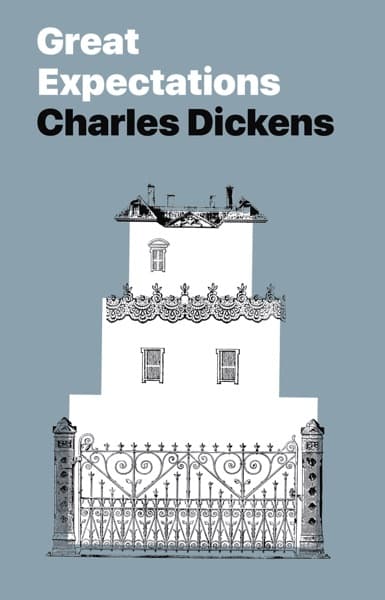
Great Expectations
Charles Dickens
A blacksmith's orphaned apprentice comes into a secret fortune and reinvents himself as a London gentleman.
Pip's benefactor is not the genteel Miss Havisham he assumes but the convict he once fed in a marsh, so his whole climb rests on a debt he was ashamed to remember.
Dickens builds the definitive English bildungsroman around a boy who mistakes wealth and manners for worth, then has to unlearn every false expectation. Pip narrates as an older man judging his younger self, which turns the novel into formation examined in hindsight.

Jane Eyre
Charlotte Brontë
A plain, penniless orphan refuses to be small, from a cruel schoolroom to a haunted country house.
Jane walks away from the man she loves at the peak of her happiness because marrying him then would cost her the integrity her whole formation was built to protect.
Bronte wrote the first great bildungsroman of a woman's inner life, tracing Jane from powerless child to a person who will not trade her self-respect for love or security. Every stage of her growth is a test of whether she will keep her own conscience.

A Portrait of the Artist as a Young Man
James Joyce
A sensitive Dublin boy grows through faith, guilt, and desire into a young man who chooses art over church and country.
The famous ending vow to forge the uncreated conscience of his race is written to read as both a genuine calling and the pompous overreach of a very young man.
Joyce reinvents the form by letting the prose itself mature with Stephen Dedalus, moving from baby-talk to soaring rhetoric as the mind grows. It is the great modernist account of a self being forged in deliberate exile from every claim on it.
My Brilliant Friend
Elena Ferrante, Ann Goldstein
Two fiercely bright girls grow up in a poor, violent Naples neighborhood, bound and divided by their gifts.
The title's brilliant friend is deliberately ambiguous, and the narrator only reveals near the end which of the two women she means by it.
Ferrante writes a double bildungsroman where each girl's formation is shaped by envy of and love for the other. The Naples setting makes class and gender concrete limits that the girls' intelligence keeps straining against.
The House on Mango Street
Sandra Cisneros
A Latina girl in a poor Chicago barrio watches the women around her and decides what kind of woman she will be.
Esperanza resolves to leave Mango Street precisely so she can come back for the ones who cannot, making departure an act of loyalty rather than escape.
Cisneros tells a full coming-of-age in a mosaic of short, poetic vignettes, so Esperanza's formation accretes rather than marches. It became the classroom classic for the Mexican American girlhood the older canon left out.
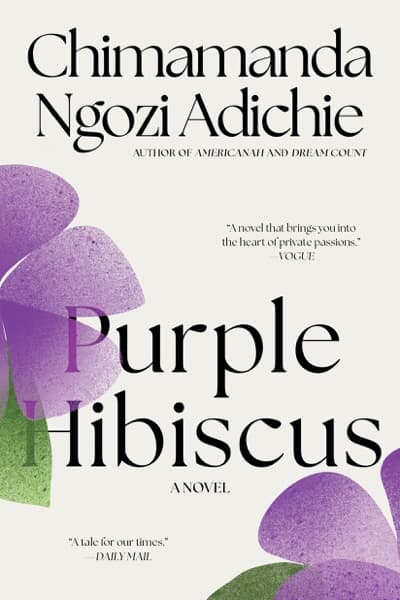
Purple Hibiscus
Chimamanda Ngozi Adichie
A quiet fifteen-year-old in Nigeria begins to wake up under the roof of her devout, tyrannical father.
The blooming purple hibiscus in the aunt's garden is a rare, engineered flower, an image of freedom that has to be cultivated rather than simply found.
Adichie sets a girl's political and emotional awakening against a fracturing Nigeria, so Kambili's private formation and her country's upheaval rise together. A visit to a freer aunt gives her the first language for what a self might be.
Can we tailor this list for you?
Type your question in the bar below and the AI will tailor a fresh set of picks just for you.