Best Books on Why Empires Fall
Empire collapse is never just one cause: it is logistics, institutions, incentives, and bad feedback loops. Gibbon, Paul Kennedy, and Diamond each shift the lens from fate to systems.
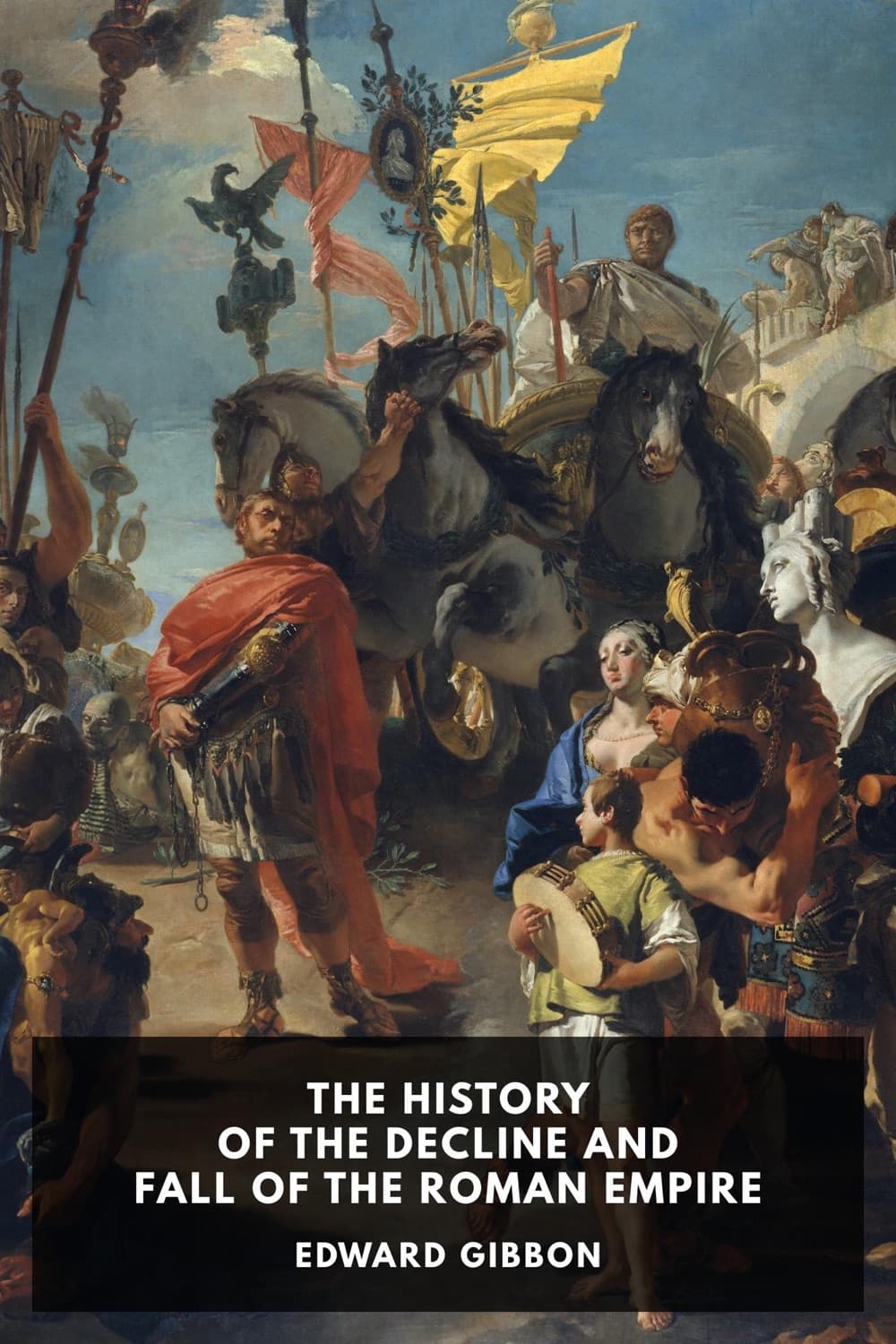
The History of the Decline and Fall of the Roman Empire
Edward Gibbon
Reading Gibbon makes decline feel like an accumulating balance sheet: every compromise adds up until the empire cannot repair itself.
Decline is cumulative: short-term fixes become long-term liabilities
Gibbon tracks how political, military, and cultural forces interact across time rather than treating the fall as a single rupture. That systems lens maps directly onto “why empires fall” by showing collapse as a slow unravelling of capacity.
The Rise and Fall of the Great Powers
Paul Kennedy
Kennedy reframes power as accounting: empires overreach when their global ambitions outgrow the resources funding them.
Overstretch: ambition outruns economic support
The standout move is the insistence on economic constraints alongside strategy. For empire-collapse questions, it clarifies how “stretch” turns into fragility when costs rise faster than adaptation.
The Collapse of Complex Societies
Joseph Tainter
Tainter makes collapse look like a cost problem: as complexity grows, societies hit diminishing returns on the effort required to keep working.
Diminishing returns on complexity drive breakdown
Instead of blaming a culture or a villain, he offers a theory of why coordination becomes harder and less productive. That matters for empires because it explains why reforms can stop working even when leaders try.
Empires and Barbarians
Peter J. Heather
Heather pushes the “barbarians” story into the state itself: Rome fails not only because of attackers, but because of internal weakness under stress.
Migration mattered most when state capacity was already impaired
The difference here is causal clarity: migration and war matter, but the empire’s institutional ability to absorb shocks is the decisive mediator. For “why empires fall,” it is a practical way to connect battlefield pressure to administrative resilience.
Why Nations Fail
Daron Acemoglu, James A. Robinson
This book shifts empire-collapse thinking toward incentives: extractive institutions quietly train decline by rewarding predation over long-term stability.
Extractive institutions concentrate power and erode development
Its framework links governance structures to long-run political and economic outcomes, turning “collapse” into a predictable consequence of institutional incentives. It is especially useful when you want a big-picture explanation that still feels operational.
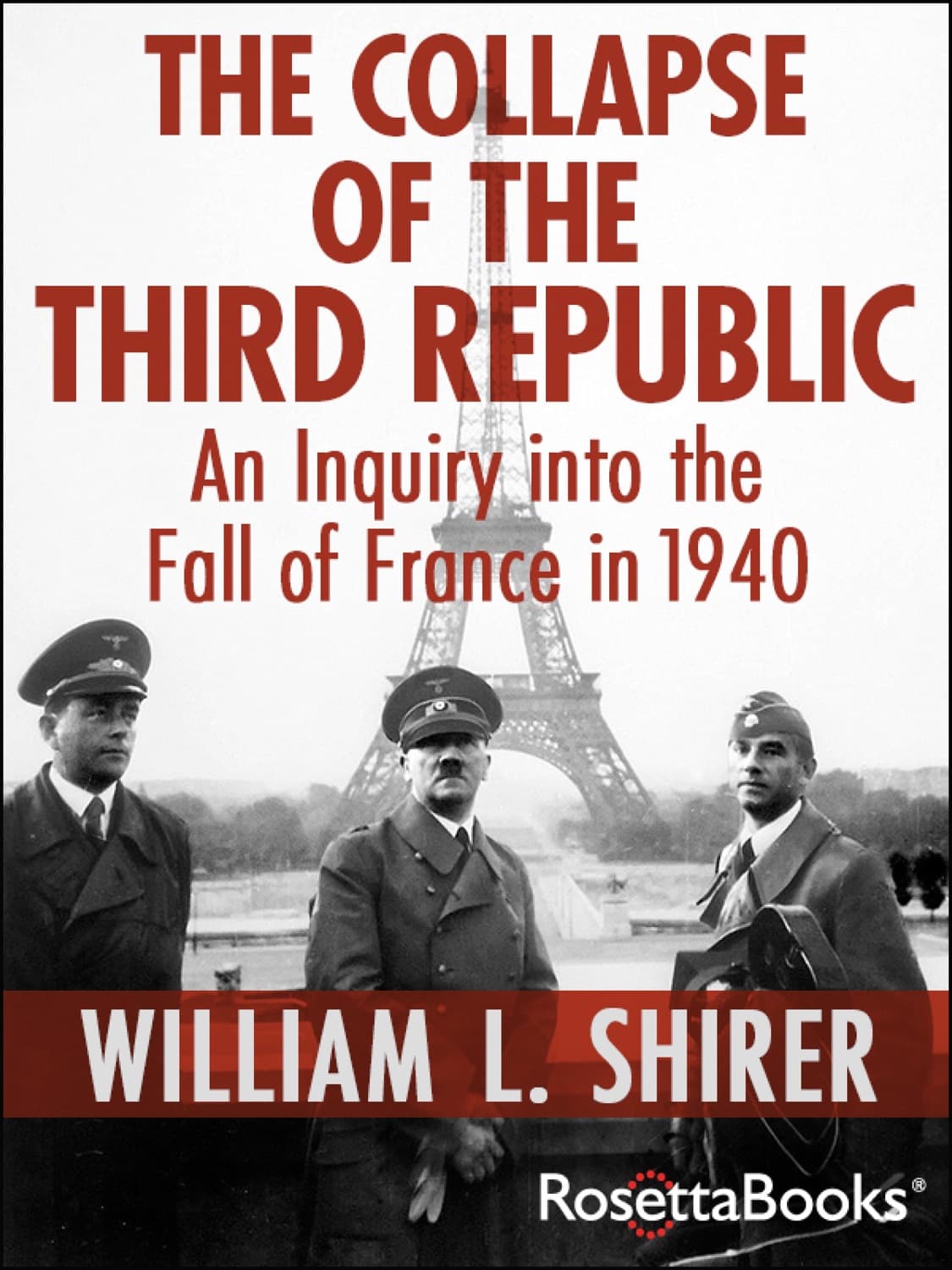
The collapse of the Third Republic
William L. Shirer
Shirer makes collapse feel political before it feels military: elites keep misreading reality until the system loses its ability to govern.
Elite miscalculation and factional breakdown accelerate collapse
The book’s strength is diagnosis through decision-making and institutional strain, using a vivid historical case to show how failure compounds. For “why empires fall,” it supplies the “internal governance” half of the equation.
Overstretch: ambition outruns economic support
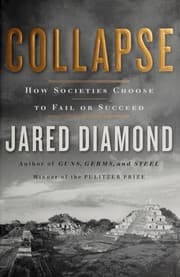
Collapse
Jared M. Diamond
Diamond widens “why empires fall” to include environmental and social pressures, making collapse feel like overloaded systems hitting hard limits.
Collapse risk rises when environmental stress meets poor institutions
His synthesis connects ecological stress, institutional response, and social disruption into one causal web. That matters because empires rarely fall from a single cause, and Diamond helps you keep multiple pressures in view at once.
Empires of the Weak
J. C. Sharman
Sharman’s twist is that weak powers can still build empires by leveraging tradeoffs and structured bargains, then fragility arrives when that bargain breaks.
Empires hinge on bargains: when terms shift, control frays
The book reframes imperial durability and breakdown as something driven by the relationships that hold empires together. For “why empires fall,” it is a useful counterweight to stories that assume strength alone determines survival.
Can we tailor this list for you?
Type your question in the bar below and the AI will tailor a fresh set of picks just for you.