Best Books on Hedge Fund Analysts
For hedge fund analysts, the work is risk plus judgment plus financial forensics. Benjamin Graham and David Dodd build the foundation; Howard Marks adds cycle thinking; Schilit and Engelhart sharpen your fraud radar.
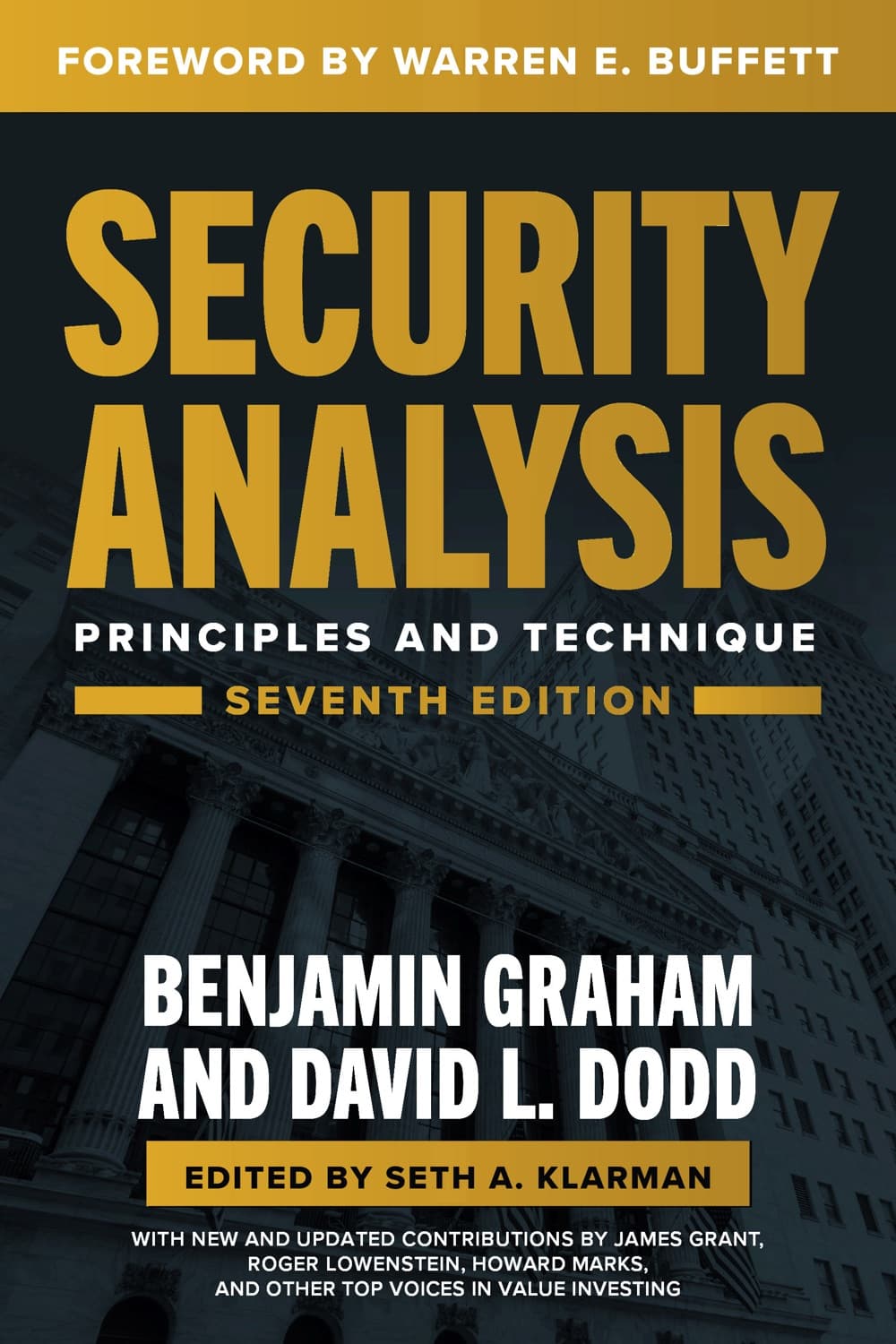
Security Analysis
Benjamin Graham, David Dodd, David Dodd, Seth Klarman
You learn to value businesses with rules that survive bad news: a disciplined approach to what you pay, what you own, and what can go wrong.
Margin of safety is a valuation requirement, not a slogan.
Unlike vibe-based investing, this teaches a system for security valuation and intellectual skepticism. That maps directly to hedge fund analyst work where every thesis needs a defensible downside.

You can be a stock market genius
Joel Greenblatt
Greenblatt turns “special situations” into a repeatable way to spot mispricings by focusing on facts most investors skip.
Screen for value: earnings yield plus return on capital.
This builds the analyst habit of looking for actionable catalysts and mispricing rather than generic narratives. Hedge fund research benefits when your pitch can point to what will change and why the market is late.
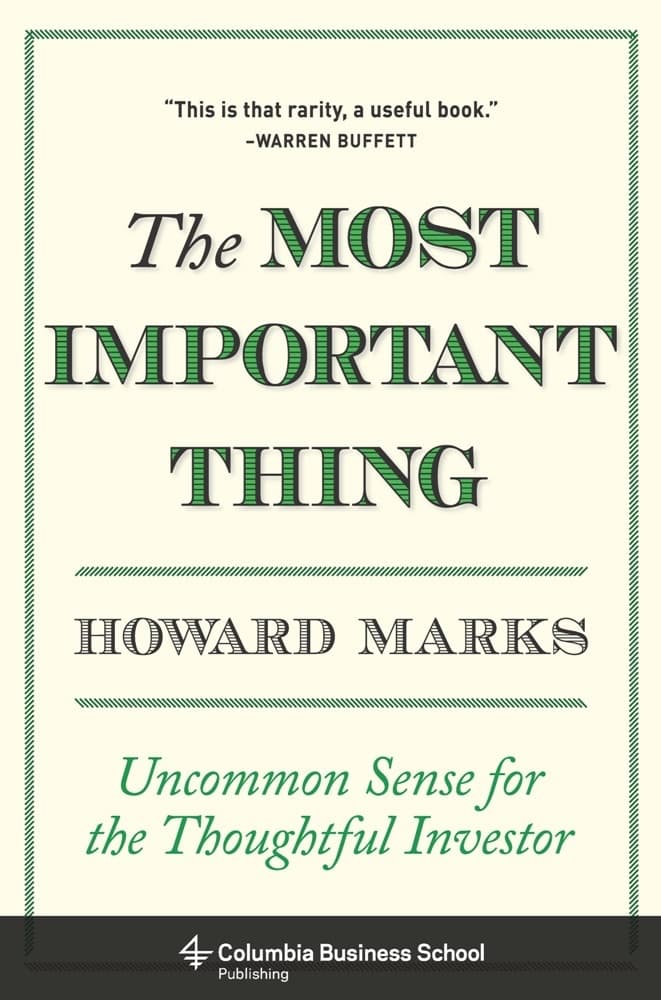
The most important thing
Howard Marks
Your decisions start to feel different after this: risk becomes a range of outcomes, not a single estimate.
Risk is what’s left when forecasts meet reality.
Marks’ memo style trains second-level thinking about cycles, human behavior, and the difference between optimism and probability. For an analyst, it helps you size conviction and communicate uncertainty with clarity.
Margin of safety
Seth A. Klarman
Klarman reframes investing as preserving options: protect capital first, then compound when conditions favor you.
Expectations are not estimates: they can break.
This codifies the hedge fund analyst mindset of skepticism, discipline, and valuation under stress. It matters when markets punish overconfidence and when your process needs to keep working in ugly regimes.
Quality of Earnings
Thornton L. O'glove
It teaches you to treat earnings like a claim that must be proven, not a line item you accept.
Normalize earnings: cash and economics beat accounting noise.
This is the forensic backbone for equity research where long-short ideas hinge on whether reported results reflect economic reality. It upgrades your diligence into a repeatable earnings verification workflow.
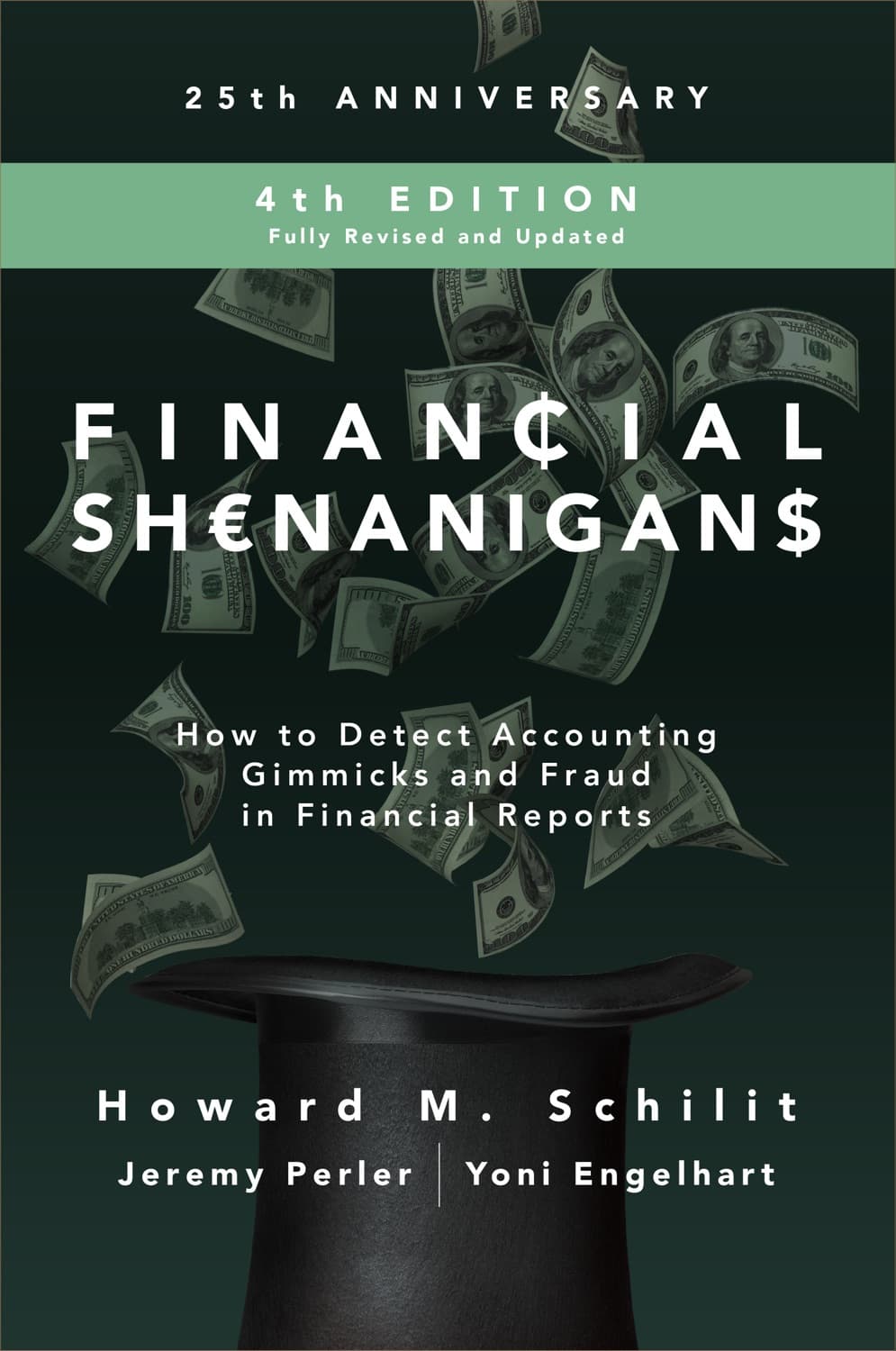
Financial Shenanigans, Fourth Edition: How to Detect Accounting Gimmicks and Fraud in Financial Reports
Howard M. Schilit, Jeremy Perler, Yoni Engelhart
You start seeing red flags across the statements: the numbers look fine until you compare them to the right ratios and disclosures.
Cash should explain earnings: reconcile the story.
This gives practical detection tools for accounting manipulation and weak reporting, which directly supports hedge fund analysis and diligence. It helps you avoid thesis rot caused by managed results.
Screen for value: earnings yield plus return on capital.
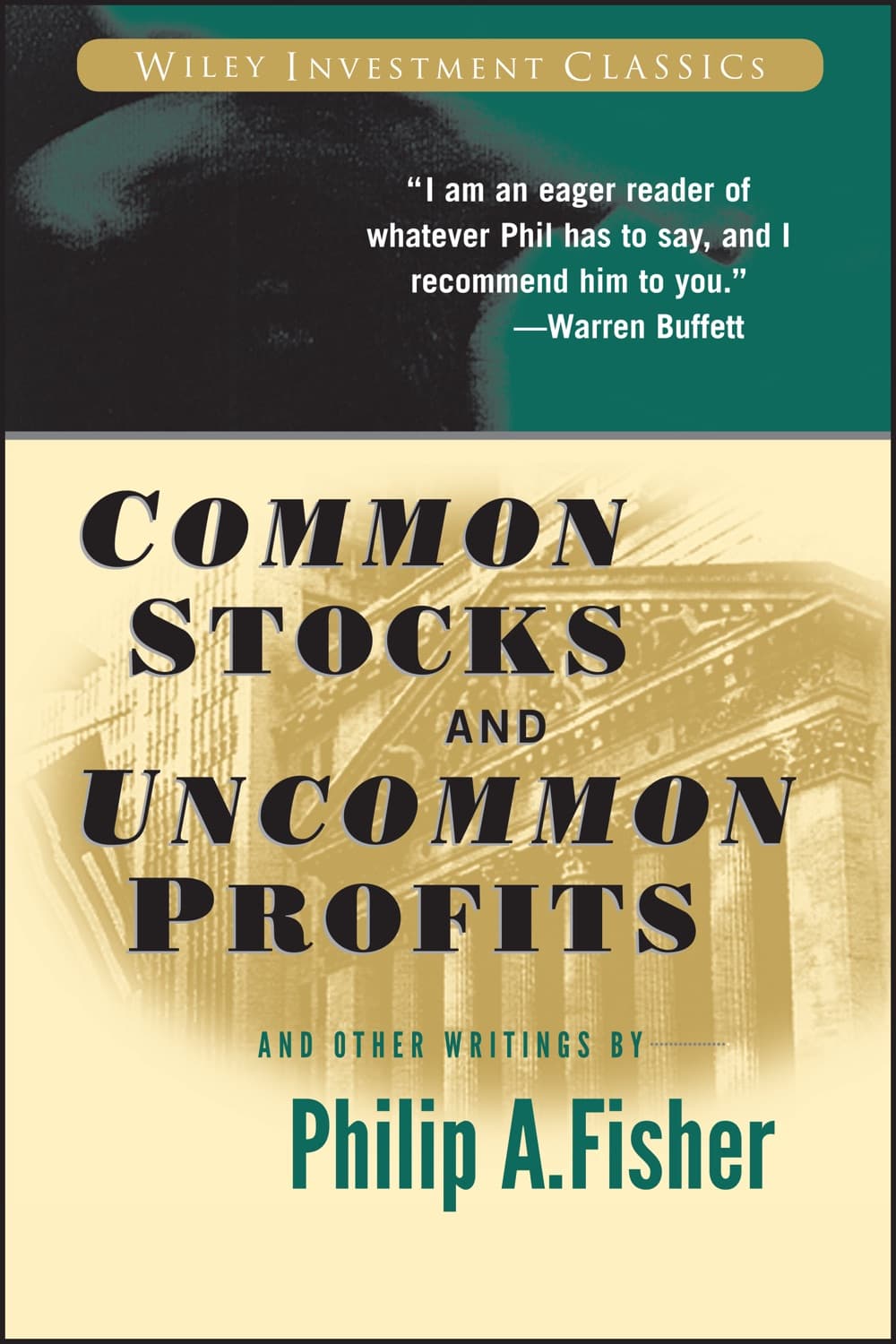
Common Stocks and Uncommon Profits
Philip A. Fisher
Fisher shifts your research from spreadsheets to real-world intelligence, where management quality and industry nuance drive valuation.
Scuttlebutt is diligence, not gossip.
It strengthens the qualitative edge many funds need alongside financial models. For analysts, it translates into sharper questions, better scuttlebutt, and more grounded conviction in growth and durability.
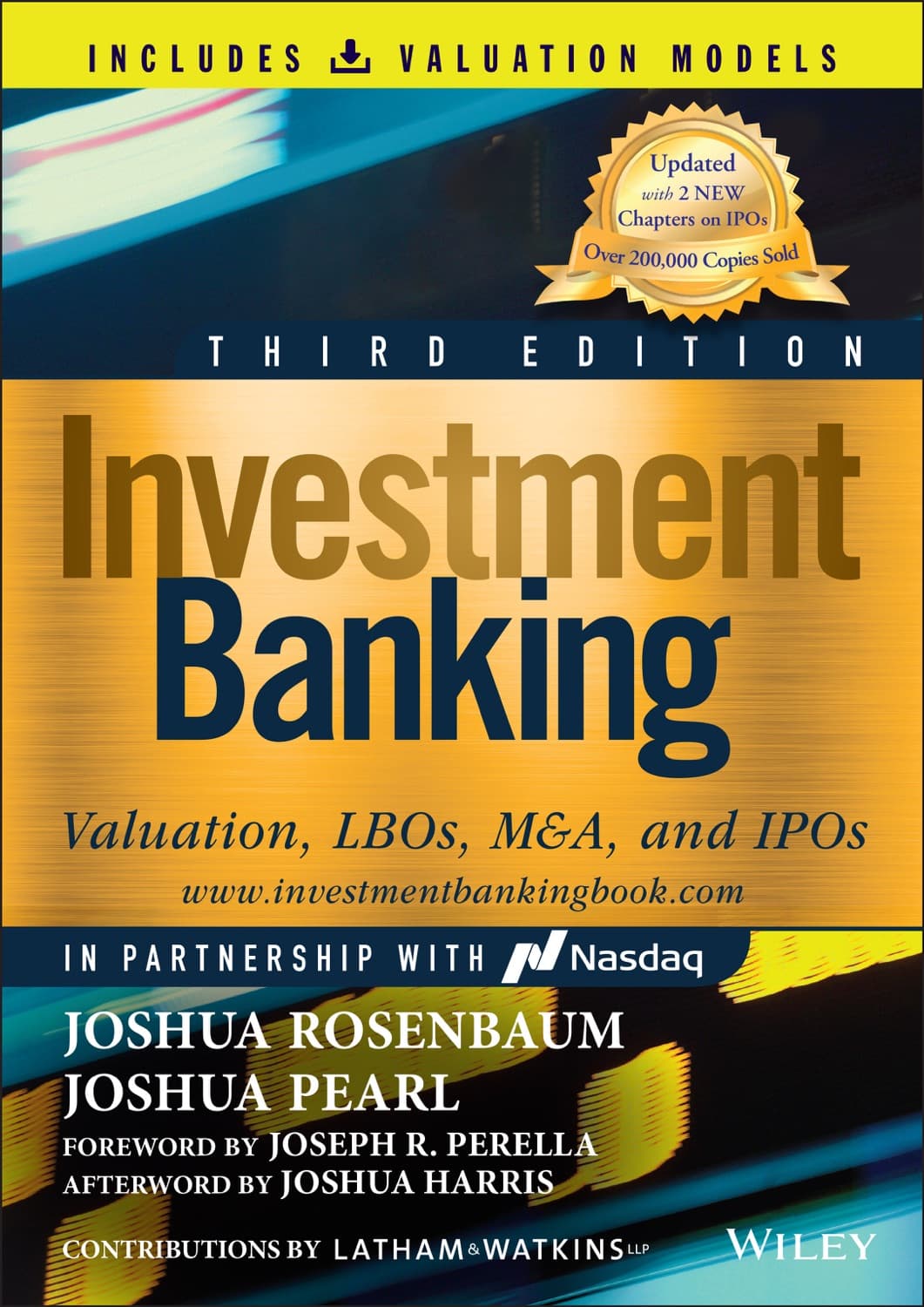
Investment Banking
Joshua Rosenbaum, Joshua Pearl
This turns valuation into craft: you learn how analysts reason through deals, builds, and scenarios instead of memorizing formulas.
Model logic beats spreadsheet cosmetics.
Even for a hedge fund seat, the modeling discipline from deal analysis improves your ability to translate assumptions into decisions. It helps you pressure-test valuation under alternative realities.
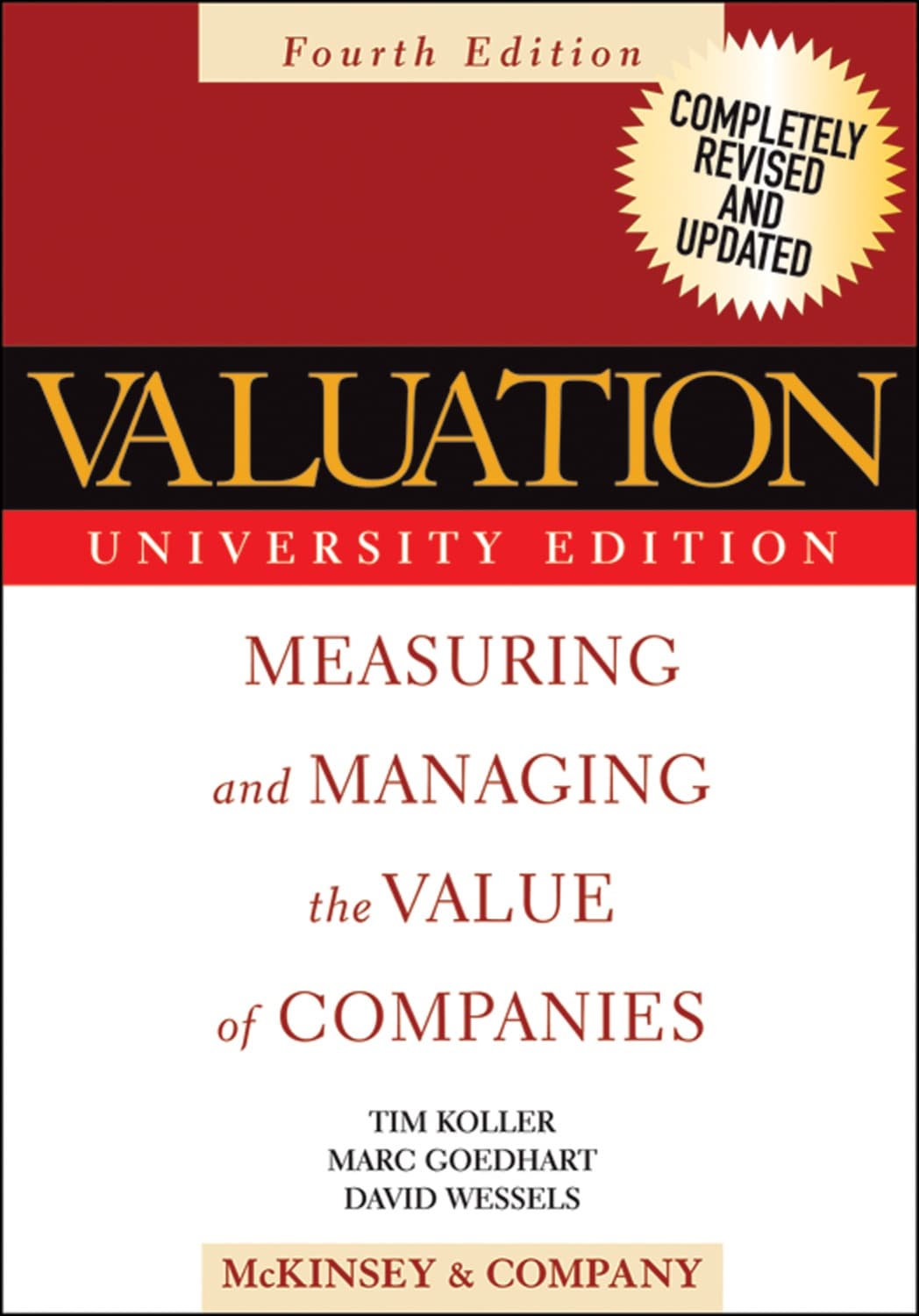
Valuation
McKinsey & Company Inc., Tim Koller, Marc Goedhart, David Wessels
You stop treating valuation as a guess and start treating it as a map from business drivers to price.
Valuation is driver-based: connect price to economics.
This is a canonical reference for linking fundamentals to valuation outputs across methods. For hedge fund analysts, it supports clear underwriting and scenario thinking that makes arguments auditable.
Can we tailor this list for you?
Type your question in the bar below and the AI will tailor a fresh set of picks just for you.