Best Football Coaching Biography Books
Football tactics and coaching live where the manager's mind meets the whiteboard. Jonathan Wilson's Inverting the Pyramid traces the system's evolution, Pep Confidential gets inside Guardiola's process, and Carlo Ancelotti's Quiet Leadership shows the human side of winning.
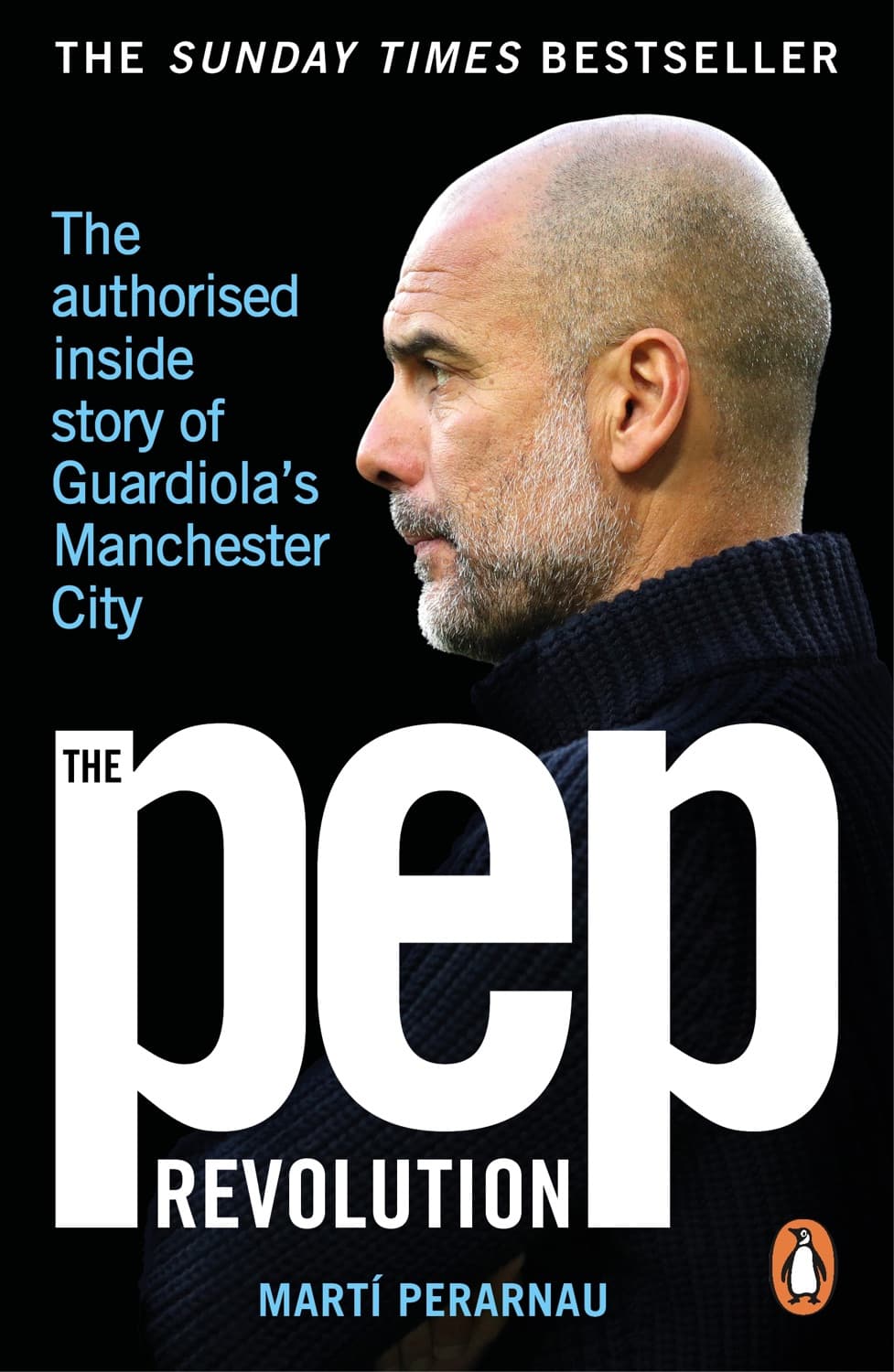
Pep Confidential
Martí Perarnau
You get an insider view of Guardiola’s match preparation where the smallest training habits are treated like tactical signals, not routines.
Training detail becomes match instruction.
Rather than praising Guardiola after the fact, this book shows how the coaching culture produces clarity: preparation, profiling opponents, and refining identity on the training ground. That matters if you want coaching biography that translates into tactical choices you can recognize in a match.
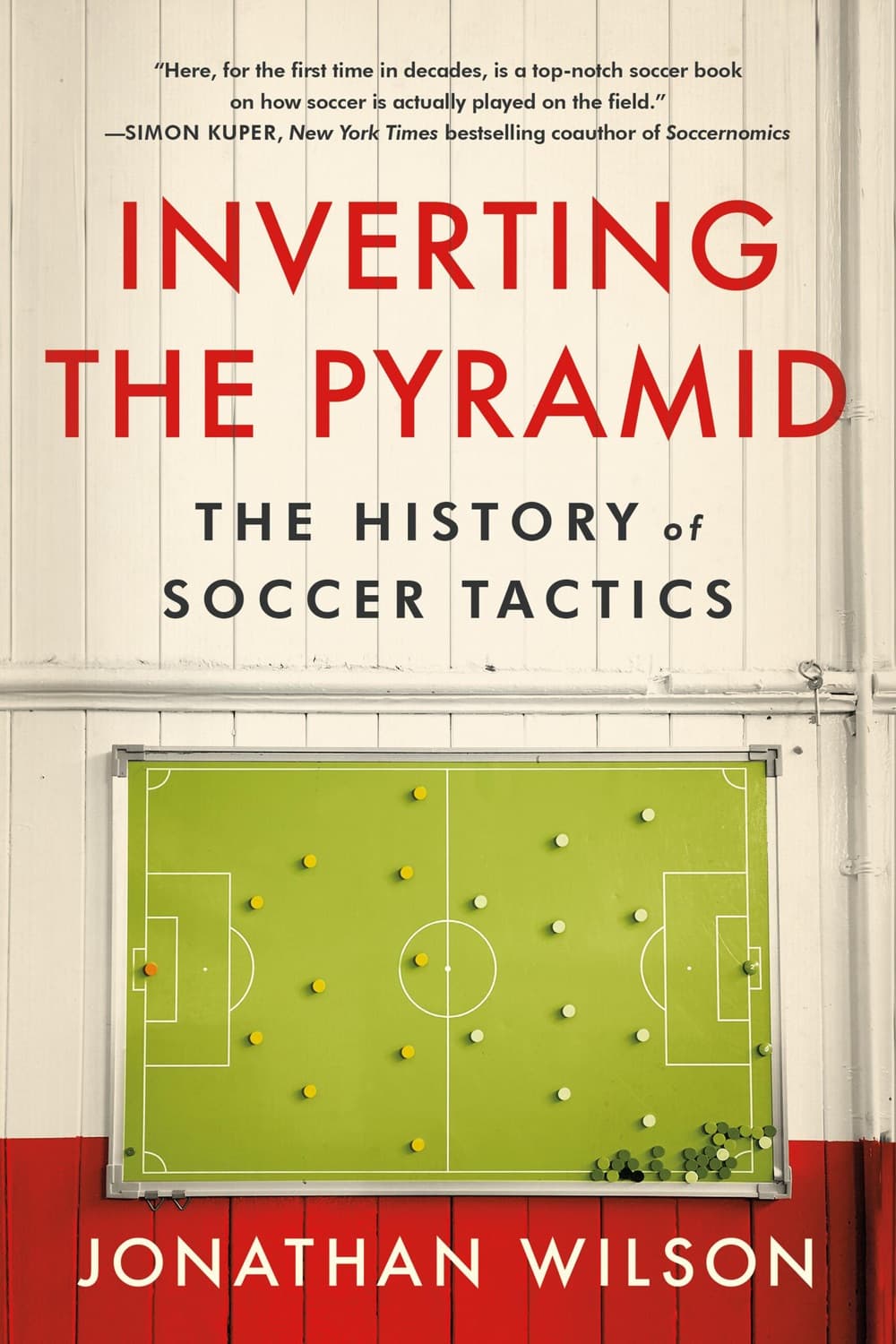
Inverting the Pyramid: The History of Football Tactics
Jonathan Wilson
The book reframes football tactics as a chain of idea swaps, where one “system” is really a response to the last one’s weaknesses.
Tactics evolve by imitation and contradiction.
It builds a tactical education through historical cause and effect: formations, roles, and coaching philosophies evolve because teams and opponents adapt. If you are pairing biography with tactics, this gives you the context to place each era’s coaches and philosophies onto a clear timeline.
Quiet Leadership
Carlo Ancelotti
Ancelotti’s leadership approach treats calm authority as a tactical instrument: it stabilizes attention, then unlocks risk-taking.
Calm leadership improves decision quality.
This is biography as a coaching manual in disguise: man management, standards, and decision-making under pressure. It fits your topic because it connects what a manager chooses to emphasize in people and culture with the tactical temperament that shows up on the pitch.
Leading
Alex Ferguson
Ferguson turns leadership into a competitive advantage by relentlessly auditing effort, details, and responsibility long before matchday moments.
Standards create repeatable performance.
The autobiography focuses on building teams: expectations, discipline, recruitment thinking, and in-game judgment. For biography plus coaching, it gives you a managerial lens you can map to tactical outcomes: how standards shape the way a system is executed under stress.
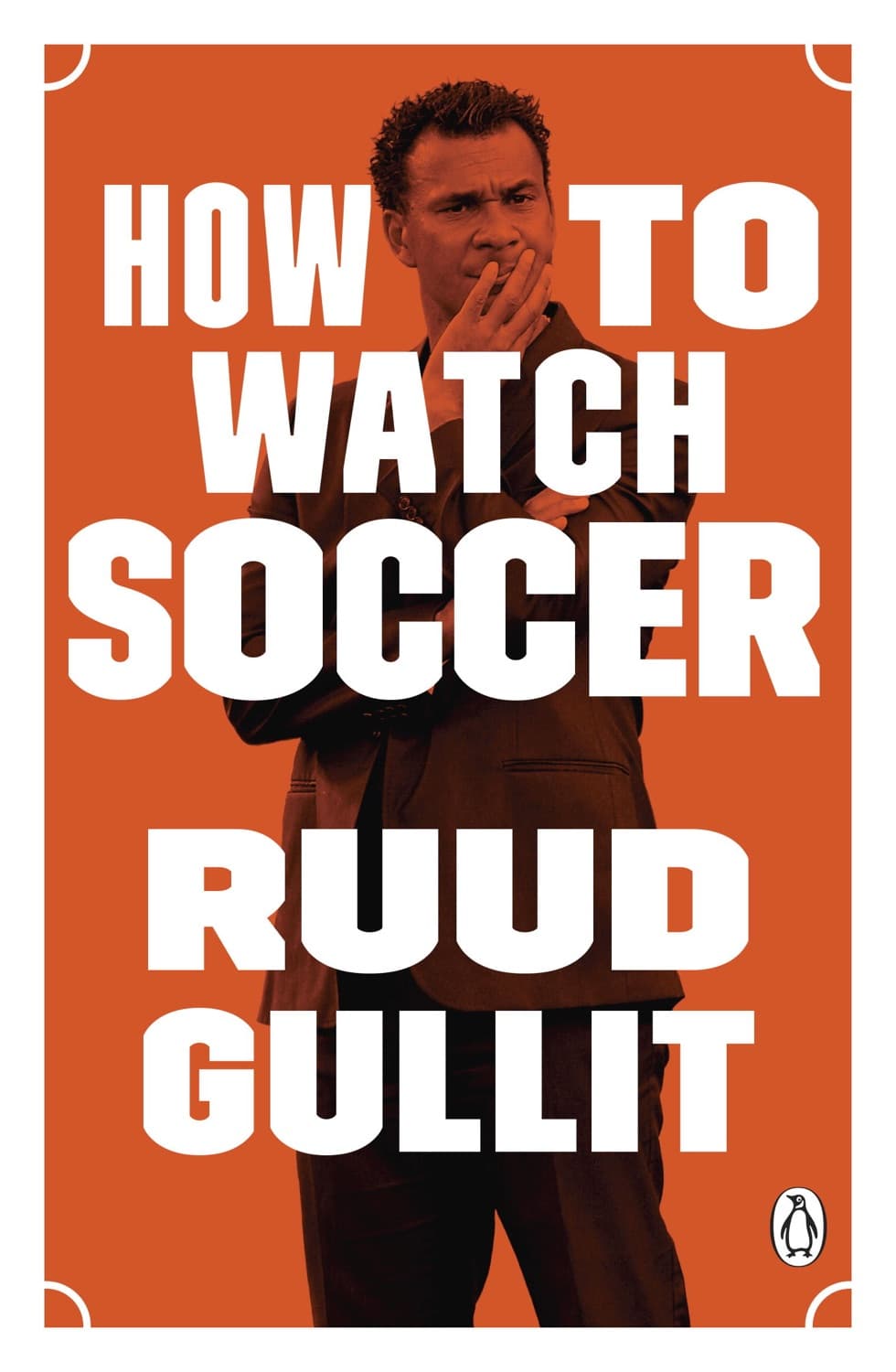
How to Watch Football
Ruud Gullit
Instead of memorizing formations, you learn to read the game by tracking who pressures, who carries, and who offers the next option.
Watch actions, not shapes.
This makes tactics usable for a beginner because it trains your attention: shapes become actions, and roles become observable behaviors. If you want to pair coaching biography with real tactical understanding, it bridges the gap between what managers think and what you can actually see.
Brilliant Orange
David Winner
Dutch football is portrayed as a national engine for invention, where identity and coaching methods reinforce each other to produce new tactical templates.
Culture can manufacture tactical innovation.
Winner gives biography-adjacent context by linking cultural forces to tactical innovation, especially through Dutch coaching thinking. That matters for your ask because it explains why certain coaching philosophies emerge and persist, not just what they looked like on the field.
Can we tailor this list for you?
Type your question in the bar below and the AI will tailor a fresh set of picks just for you.