- 1. The Definitive Bible: Atlas of Brutalist Architecture by Phaidon
- 2. The Emotional Journey: Raw Concrete: The Beauty of Brutalism by Barnabas Calder
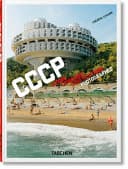
- 3. The Soviet Ghost Hunt: CCCP: Cosmic Communist Constructions Photographed by Frédéric Chaubin
- 4. The Practical Guide: How to Love Brutalism by John Grindrod
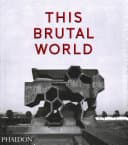
- 5. The Tactile Experience: This Brutal World by Peter Chadwick
- Why Brutalism Matters in 2026
- 3 Ways to Identify a Brutalist Masterpiece
The first time I stood in front of the Trellick Tower in London, I hated it. It felt like a grey, silent punch to the gut. It was cold, aggressive, and seemingly indifferent to the humans walking beneath its massive concrete shadow. But then, something shifted. I stayed long enough to watch the late afternoon sun hit the raw, textured surface of the cement, and suddenly, the "ugliness" transformed into a strange, heroic kind of beauty.
Brutalist architecture is the ultimate "love it or hate it" genre. In 2026, we are seeing a massive resurgence of interest in these concrete giants. Perhaps it is because, in our world of flimsy glass skyscrapers and disposable digital trends, Brutalism feels permanent. It is honest. It doesn't try to hide its bones.
If you are looking to move past the Instagram filters and actually understand the philosophy of the "New Brutalism," these five books are the definitive starting points. These aren't just reading material: they are heavy, beautiful objects that deserve a place on your coffee table.
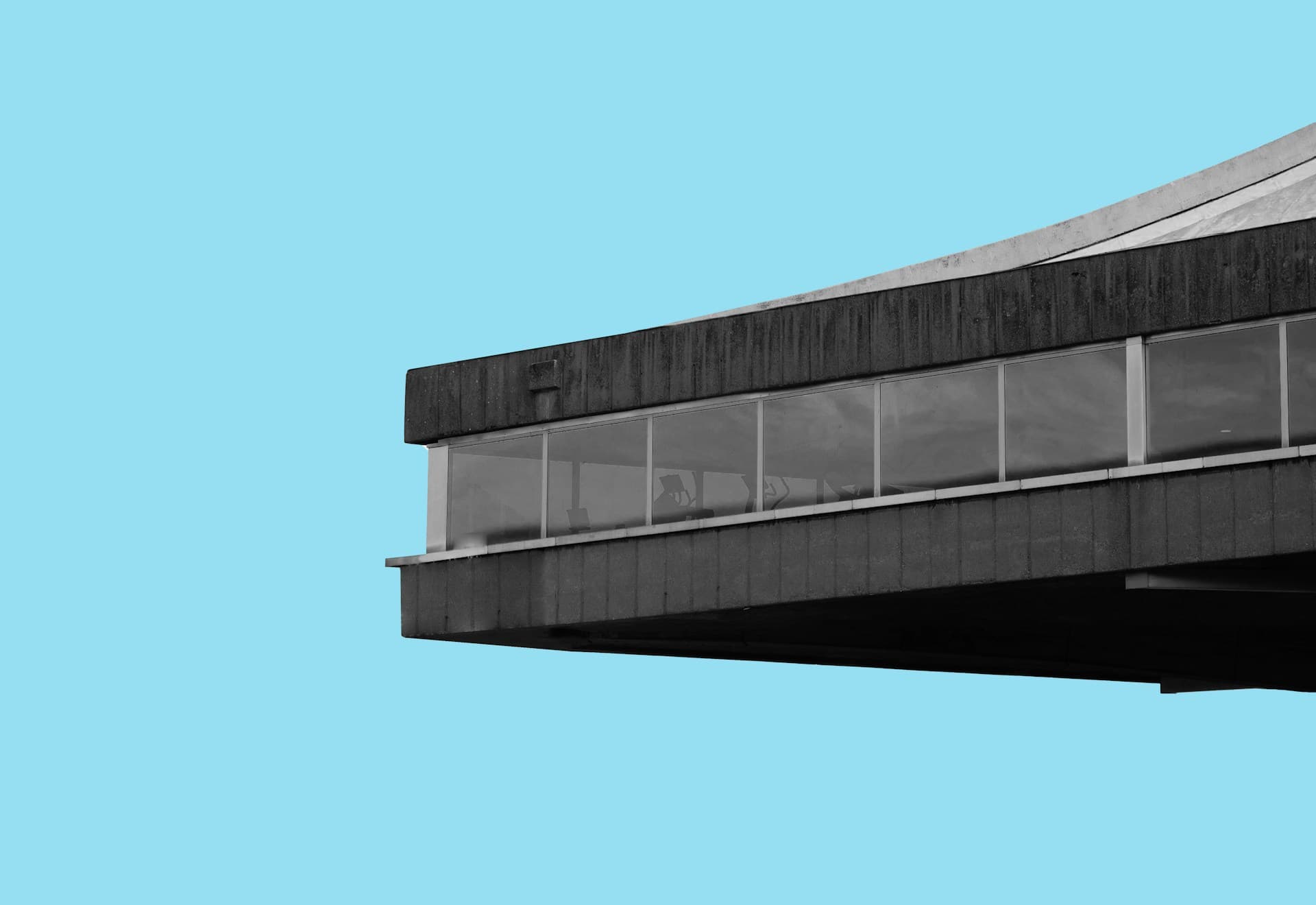
1. The Definitive Bible: Atlas of Brutalist Architecture by Phaidon
If you only own one book on this subject, it has to be this one. Phaidon is the gold standard for art books, and this oversized volume is a masterpiece of curation. It covers over 850 buildings across the globe, from the famous housing estates of London to forgotten Soviet monuments in the Balkans.
I expected this to be a dry, academic catalog. I was wrong. The photography is breathtaking, capturing the play of light and shadow on raw concrete in a way that feels almost cinematic. It is a heavy, physical reminder that Brutalism was a global movement, an attempt to build a better, more equitable world out of the most basic materials.
The Golden Nugget: Brutalism wasn't about being "brutal." The name comes from the French béton brut, meaning raw concrete. It was an aesthetic of honesty, not aggression.
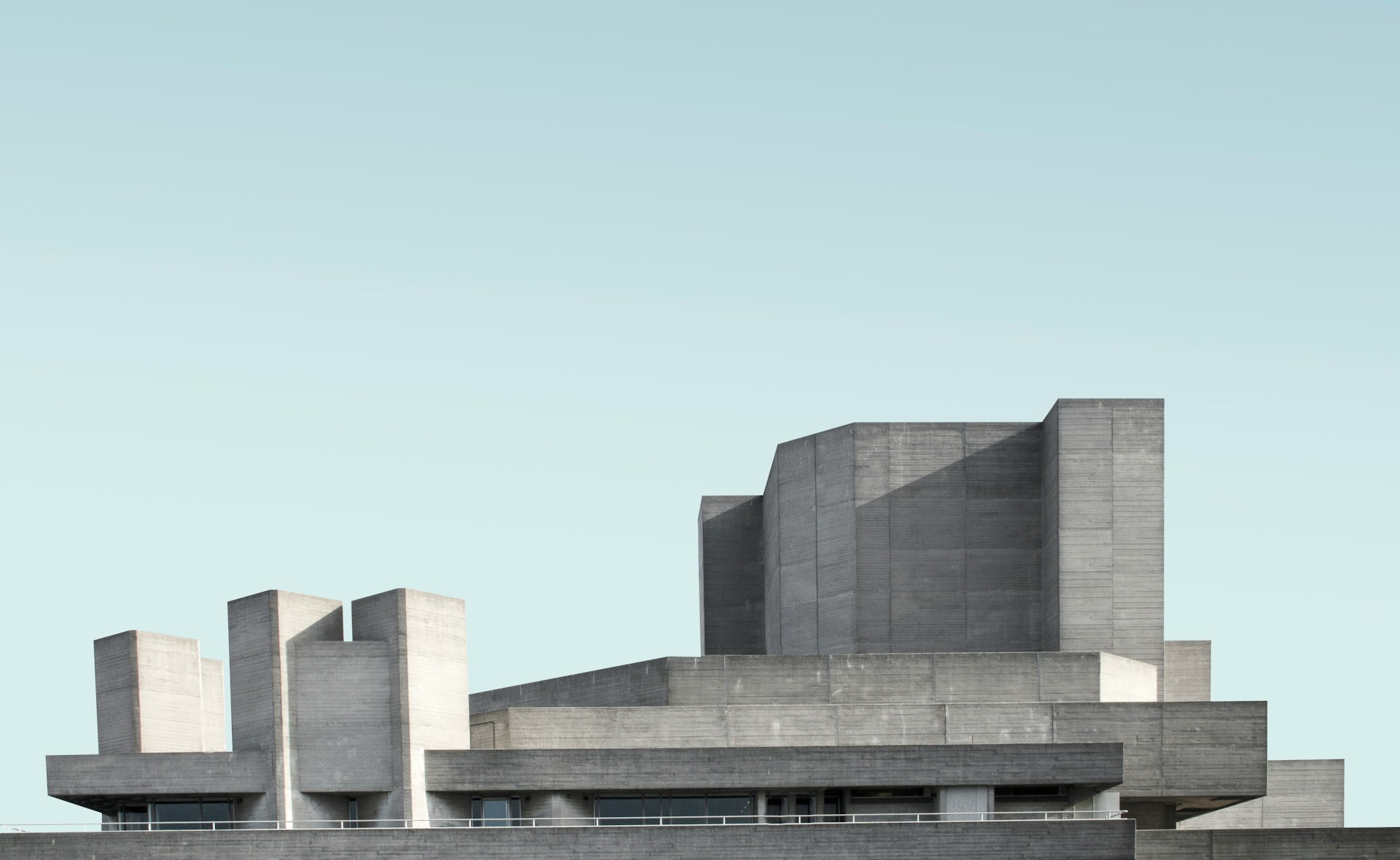
2. The Emotional Journey: Raw Concrete: The Beauty of Brutalism by Barnabas Calder
Most architecture books focus on the blueprints. Barnabas Calder focuses on the feeling. This is a deeply personal book that explores why we have such a visceral reaction to these buildings. Calder argues that Brutalism was the peak of human architectural ambition, fueled by a period of cheap energy and utopian dreams.
What surprised me about Calder's writing was his infectious enthusiasm. He managed to make me care about the specific texture of a board-marked concrete wall in a way I didn't think possible. If you want a book that provides the "intellectual ammunition" to defend your love of concrete to your friends, this is it.
3. The Soviet Ghost Hunt: CCCP: Cosmic Communist Constructions Photographed by Frédéric Chaubin
There is a specific sub-genre of Brutalism that feels like it was plucked straight out of a science fiction movie: the late-Soviet period. Frédéric Chaubin spent years traveling through the former USSR to document these bizarre, otherworldly structures.
These buildings look like crashed spaceships or ancient altars to a forgotten god. I found myself staring at the "Druzhba" Sanatorium in Ukraine for twenty minutes, trying to figure out how anyone had the audacity to build it. This is the book for the reader who loves the "weird" side of architecture, the side that defies logic and embraces the monumental.
4. The Practical Guide: How to Love Brutalism by John Grindrod
If the Atlas is too heavy for your lap, John Grindrod's book is the perfect entry point. It is a lighthearted but deeply informed field guide to the movement. He breaks down the different styles and explains the social history behind the housing projects that many now consider eyesores.
I'll admit, I thought this might be too "basic" for a serious enthusiast, but Grindrod's wit won me over. He acknowledges the flaws of the movement while celebrating its massive, stubborn heart. It is the perfect gift for someone who is just starting to notice the beauty in their local city's concrete landmarks.
5. The Tactile Experience: This Brutal World by Peter Chadwick
This is a visual poem to concrete. Peter Chadwick curated a collection of black-and-white photographs that strip away the distractions of color to focus entirely on form and texture. It includes not just buildings, but also bridges, bunkers, and sculptures.
I was struck by how Chadwick places modern masterpieces alongside classic Brutalist icons. It shows that the "spirit" of Brutalism is still alive in contemporary architecture. This book is less about reading and more about "feeling" the geometry. It is a stark, beautiful contrast to the colorful clutter of our digital lives.
The Golden Nugget: In black and white, concrete ceases to be "grey." It becomes a landscape of infinite gradients.
Why Brutalism Matters in 2026
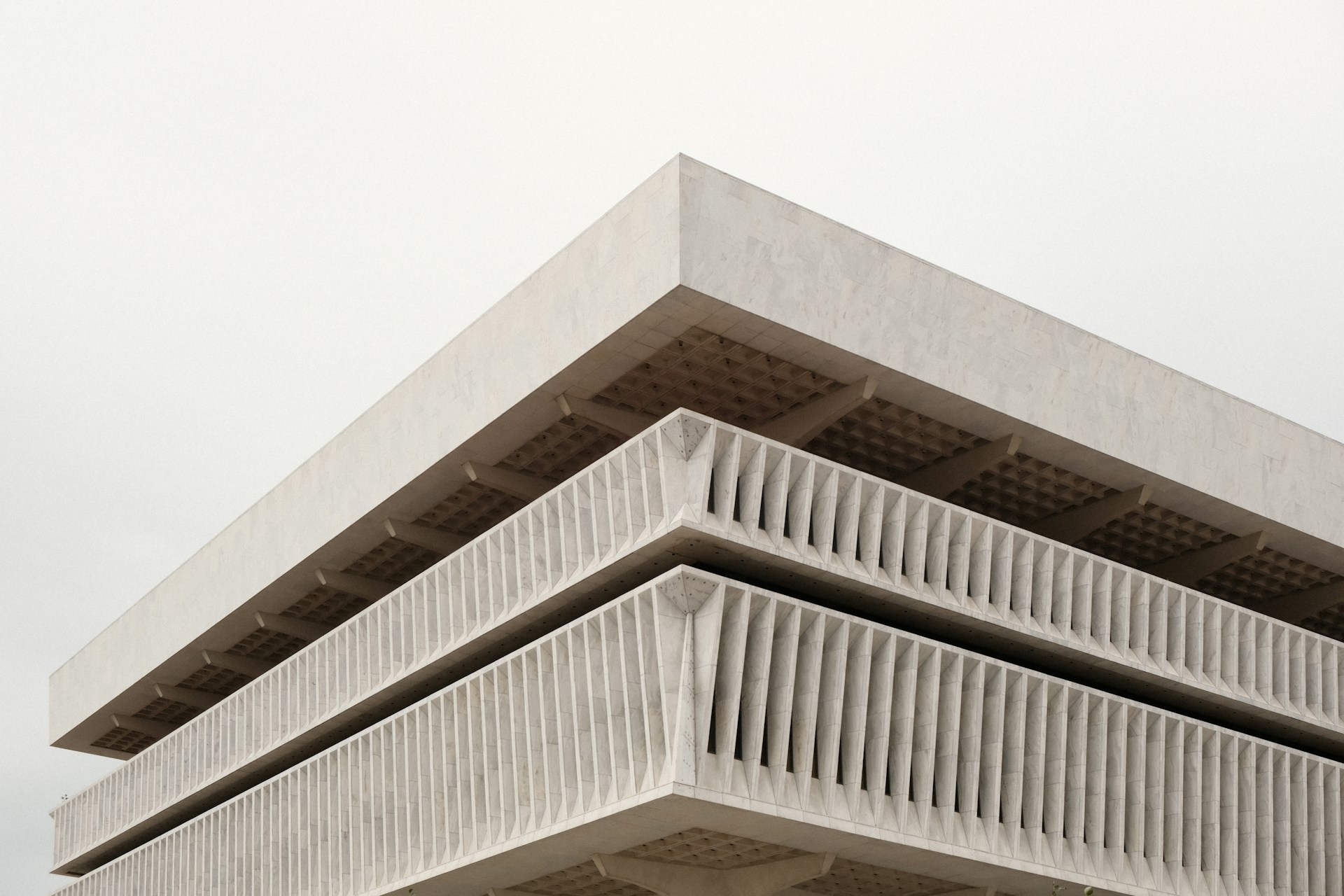
We live in an age of the "temporary." Our apps, our phones, and even our homes are designed to be replaced. Brutalist buildings stand in defiance of that. They are heavy, they are difficult to demolish, and they demand that you pay attention to them.
Reading these books changed the way I walk through my own city. I no longer see "ugly blocks of cement." I see the fingerprints of architects who believed that through design and raw materials, we could build a future that lasted forever.
3 Ways to Identify a Brutalist Masterpiece
- The Texture of the Wood: Look for the "grain" in the concrete. Many Brutalist buildings were cast in wooden molds, leaving the imprint of the timber on the final surface.
- Exposed Functions: If you can see the staircase towers or the water tanks as separate, distinct shapes on the outside of the building, you are likely looking at a Brutalist structure.
- The "Weight" of the Voids: Brutalism often uses massive, heavy shapes that seem to "float" over empty spaces. It is the tension between the weight of the concrete and the air beneath it that creates the drama.
What is the best Brutalist architecture book for beginners?
How to Love Brutalism is the easiest entry point. John Grindrod keeps it readable without flattening the history, while Atlas of Brutalist Architecture is better once you want the big visual survey.
Which Brutalism book has the best photography?
This Brutal World is the strongest pure photography pick if you care about form and texture. Atlas of Brutalist Architecture is the better choice if you want stunning images plus global range.
What book should I read to understand Soviet Brutalist architecture?
CCCP: Cosmic Communist Constructions Photographed is the clear answer. Frédéric Chaubin focuses on late-Soviet buildings that look surreal on the page, and it pairs well with Raw Concrete: The Beauty of Brutalism for the bigger argument about why Brutalism hits so hard.
Books mentioned in this article
Want more books like these?
Tell us what you're in the mood for and get 3 perfect picks.
Discover your next read→