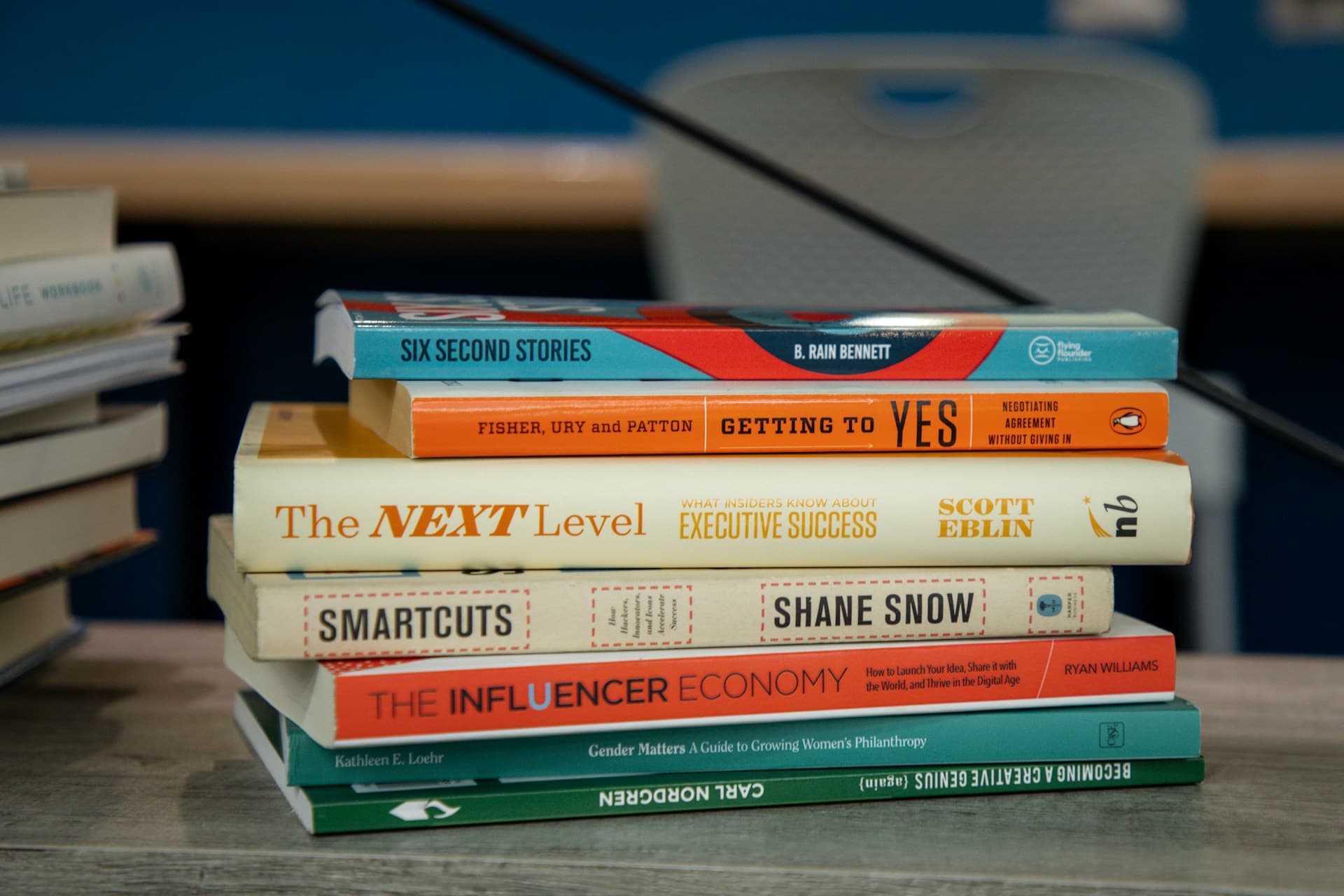
There is a persistent myth that the elite spend their time reading the same airport business books as everyone else. They do not. While the middle class is reading about "10 habits of successful people," the true elite are studying historical cycles, the decay of empires, and the strategic use of institutional power. They are interested in the "Metagame": the rules that govern the rules.
In 2026, as the gap between the "Connected Class" and the rest of the world widens, understanding this library is not just an intellectual exercise. It is a survival strategy. To be part of the elite is to possess a specific type of literacy: the ability to read the invisible lines of authority that run through our society.
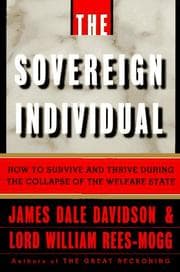
1. The Sovereign Individual by Davidson and Rees-Mogg
This is the "Bible" of the tech elite. Published in the late 90s, it predicted the rise of cyber-currencies and the decline of the nation-state. Peter Thiel, the billionaire founder of Palantir, has famously made this required reading for his inner circle.
The Controversial Take: People love to call this book a "prophecy," but I actually find it deeply cynical and, in some ways, dangerous. It argues that technology will eventually make it impossible for governments to tax the wealthy, effectively turning the elite into "Sovereign Individuals" who owe nothing to their home countries. It is a cold, heartless blueprint for the end of the social contract. Whether you agree with it or not, you have to read it because the people building your digital world—from Elon Musk to Balaji Srinivasan—are using it as their playbook.
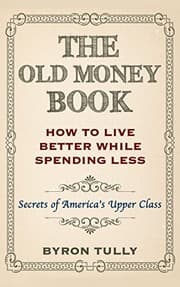
2. The Old Money Book by Byron Tully
If the tech elite are obsessed with the future, the "Old Money" core is obsessed with staying exactly where they are. This is a book about the "stealth" aesthetic of the 0.01%.
The Data-Backed Reality: While the media focuses on flashy influencers, real wealth is often silent. According to a 2024 Knight Frank Wealth Report, the "Ultra-High-Net-Worth" population (those with $30M+) is increasingly moving toward "quiet luxury" and off-market assets. Tully explains the "Moat of Boredom": the elite protect their wealth by buying assets like farmland and blue-chip stocks that haven't been "trendy" in a hundred years. This book teaches you how to behave so that you are recognized by the tribe without saying a word.

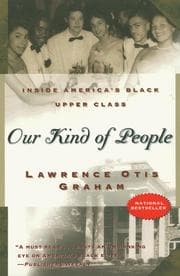
3. Our Kind of People by Otis Graham
To understand the American establishment, you have to understand the institutions they built: the boarding schools, social clubs, and secret societies.
The Insider Detail: This is not a conspiracy theory; it is a clerical reality. For over a century, the Social Register has functioned as a literal directory of the "acceptable" elite. Inclusion was once the only thing that mattered for access to capital. Today, while the Register is less prominent, the "Legacy" system still holds firm. Data from a 2023 Harvard study showed that legacy applicants (children of alumni) were nearly six times more likely to be admitted than their non-legacy peers. Graham describes the "Closed Loop" where reputation is the only currency that matters.
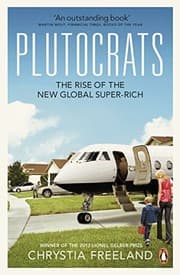
4. Plutocrats by Chrystia Freeland
Chrystia Freeland, now a high-ranking politician, wrote the definitive guide to the "New Global Elite": a group of people who have more in common with each other than they do with their own neighbors.
The Elite Circuit: This is a world of "Migratory Patterns." There is a specific, documented circuit: Davos in January, Art Basel in Miami, and the Monaco Yacht Show in September. If you are not on this circuit, you are not in the room where the global operating system is being updated. Freeland exposes the "Philanthro-capitalism" model: the way the elite use private foundations to solve global problems so that they can maintain control of the solutions without being subject to public voting or taxes.
5. The Prince by Niccolò Machiavelli
Every serious leader has a copy of The Prince, but they don't read it for "cruelty." They read it for the "Pragmatism."
The Elite Insight: The elite do not view morality as a static set of rules; they view it as a tool for stability. Machiavelli teaches the art of "Strategic Silence." While the masses are arguing on social media, the elite are practicing the cold calculation required to maintain a system over centuries. According to research by the sociologist G. William Domhoff in Who Rules America?, the policy-planning network of the elite focuses on long-term consensus over decades, not the four-year cycles of standard politics.
The "Hidden Knowledge" of 2026
To round out your understanding, here are three technical realities of how the 0.01% actually function today:
- The Family Office: The elite do not use standard retail banks. They use "Family Offices." These are private wealth management firms that serve a single family. According to Campden FB, there are over 10,000 family offices globally, controlling nearly $6 trillion in assets. They are private bureaucracies that handle everything from taxes to private security.
- The Art Moat: High-end art is one of the few assets that can be moved across borders with minimal friction. In a world of digital tracking, a $100 million masterpiece is a "Portable Store of Value."
- Legacy Debt: In the elite, you do not just pay your debts to the bank; you pay them to your connections. If a peer helps your child get a specific internship, you owe a "Legacy Debt" that may not be called in for twenty years. This invisible ledger is what keeps the elite cohesive.

Conclusion: The Literacy of Power
Being part of the elite is not about how much money is in your account today. It is about your level of "Institutional Literacy." It is about understanding the books that explain how the world is actually constructed.
The books listed above are the technical manuals for the world's most exclusive club. They teach you that power is not a prize you win; it is a system you maintain through careful signaling, strategic alliances, and the control of information.
In 2026, the door to the elite is not locked by a key. It is locked by a vocabulary. If you can read the blueprints, you can walk through the door.
Master the library of the elite. Explore the Sovereign Collection at bookstoread.ai
What book explains how the global elite actually operate?
Plutocrats is the best single answer. It shows the social circuit, the money logic, and the private-power mindset without pretending it is all theory.
Which book should I read to understand old-money culture?
The Old Money Book is the most direct guide. It focuses on restraint, signaling, and the quiet habits that separate inherited wealth from flashy new money.
Is The Sovereign Individual still relevant in 2026?
Yes, especially if you want to understand the ideology behind crypto, digital sovereignty, and anti-state thinking. The Sovereign Individual is still the key text, but it should be read alongside Who Rules America? to keep the power analysis grounded.
Books mentioned in this article

Want more books like these?
Tell us what you're in the mood for and get 3 perfect picks.
Discover your next read→