- The Science of Prosody and Cognitive Load
- The Audible Interface as a Learning Lab
- The Essential Library for English Mastery
- The Titan: Sapiens
- The Practical Match: Atomic Habits
- The Hidden Gem: Born a Crime
- The Artistic Pivot: The Great Gatsby
- The Authority Pick: Becoming
- Turning Input into Output: The "Shadowing" Technique
- The Alchemy of the Human Voice
- Key Takeaways: The Audible Mastery Plan
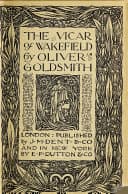
In the 1840s, Heinrich Schliemann (the future excavator of Troy) set out to master the English language. He didn't enroll in a university. Instead, he paid listeners to sit in a room while he recited Oliver Goldsmith's The Vicar of Wakefield aloud until he had memorized every syllable. Schliemann understood something modern apps often forget: language is a physical rhythm before it is a visual code. Within months, he was fluent. Today, we have replaced the human listener with the Audible app, but the biological mechanism remains the same. The ear is the primary gateway to the linguistic brain.
I spent the last month auditing the Audible library to find the specific narrators and structures that act as a catalyst for fluency. We often assume that learning a language requires staring at a page until the symbols make sense. This is a mistake. Reading is a silent, internal process that often preserves the "accent" of your native tongue in your mind. Listening, however, forces your brain to sync with a native speaker's cadence. This roadmap is designed for those who want to stop "translating" and start "thinking" in English.
Claim your free trial on Audible today.
The Science of Prosody and Cognitive Load
The biggest barrier to fluency is not a lack of vocabulary: it is a lack of rhythm. In linguistics, this is called prosody. English is a stress-timed language, meaning we squeeze some syllables and stretch others to maintain a consistent beat. If you ignore this, you will sound robotic. When you listen to a high-quality audiobook, you are training your brain to recognize these stress patterns.
Audiobooks also help manage "cognitive load." When you read a physical book, your brain is doing double-duty: decoding symbols into sounds and those sounds into meaning. With an audiobook, the narrator handles the first half of that equation. This frees your mental energy to focus entirely on context. A 2024 study on language acquisition found that learners who used audio-assisted reading showed significantly higher retention of new idioms and grammar compared to those who only read text.
The Audible Interface as a Learning Lab
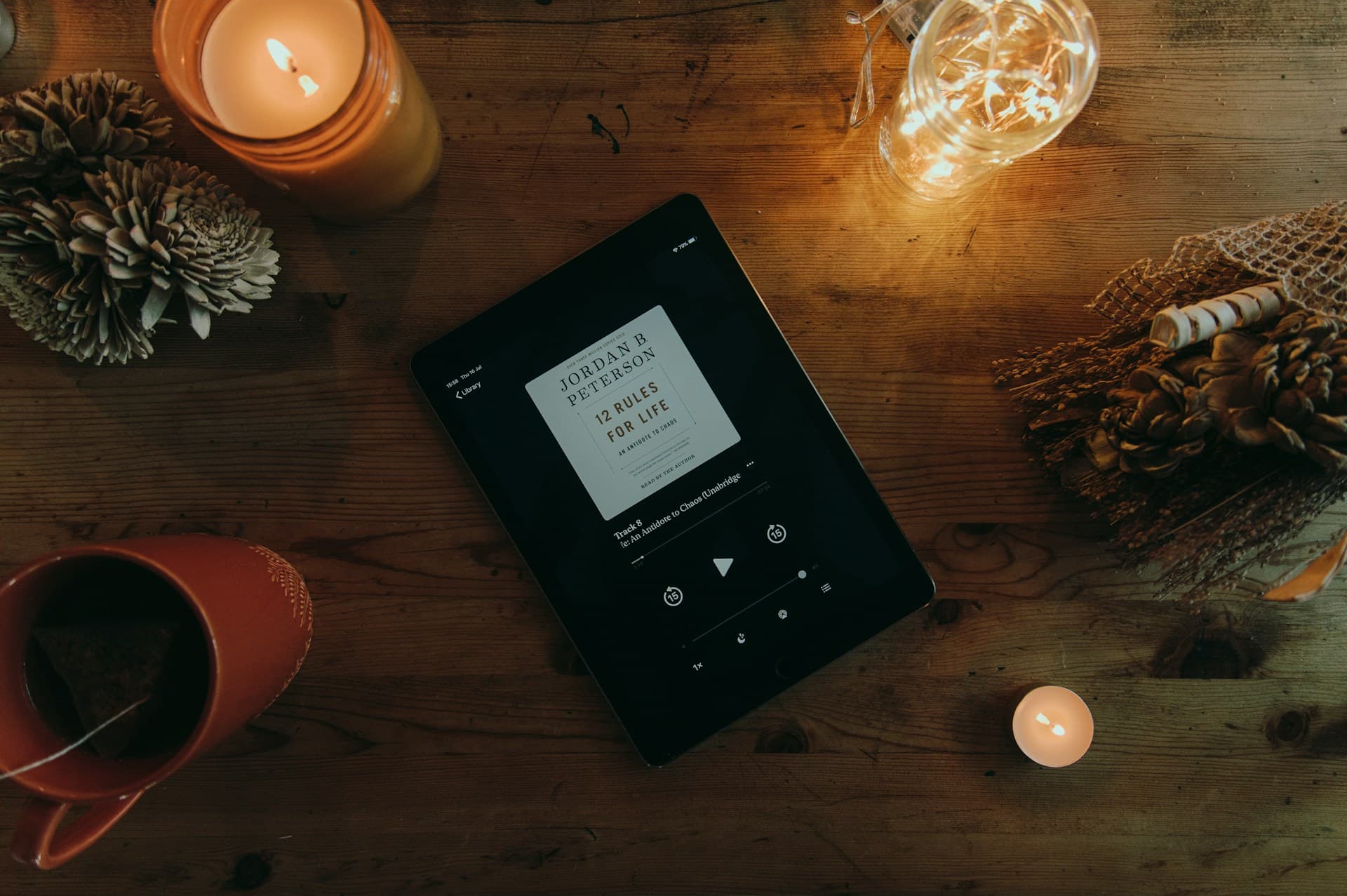
The playback features are the real "secret sauce" for learners. Slowing narration to 0.8x allows you to hear the "linking" sounds that native speakers usually blur (like "What are you" turning into "Whatcha").
Conversely, experimenting with 1.2x speed forces your brain to process information faster than a standard conversation. This is the linguistic equivalent of a baseball player practicing with a weighted bat. When you return to normal speed, the world seems to move in slow motion, providing a psychological buffer against feeling overwhelmed by fast-talking native speakers.
The Essential Library for English Mastery
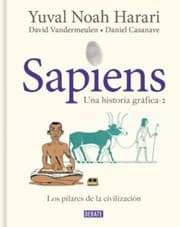
The Titan: Sapiens
By Yuval Noah Harari (Narrated by Derek Perkins)
- The Hook: A sweeping look at human history told in exceptionally precise English.
- The Why: Harari's writing has a high "signal-to-noise" ratio, explaining complex ideas with direct sentence structures. Narrator Derek Perkins provides a crisp, neutral British accent that is a masterclass in diction. For a learner, this book provides the high-level vocabulary of history and philosophy without the dense jargon of a textbook.
- The Golden Nugget: Complexity is not the same as difficulty. If you can explain a massive concept in simple words, you have mastered the language.
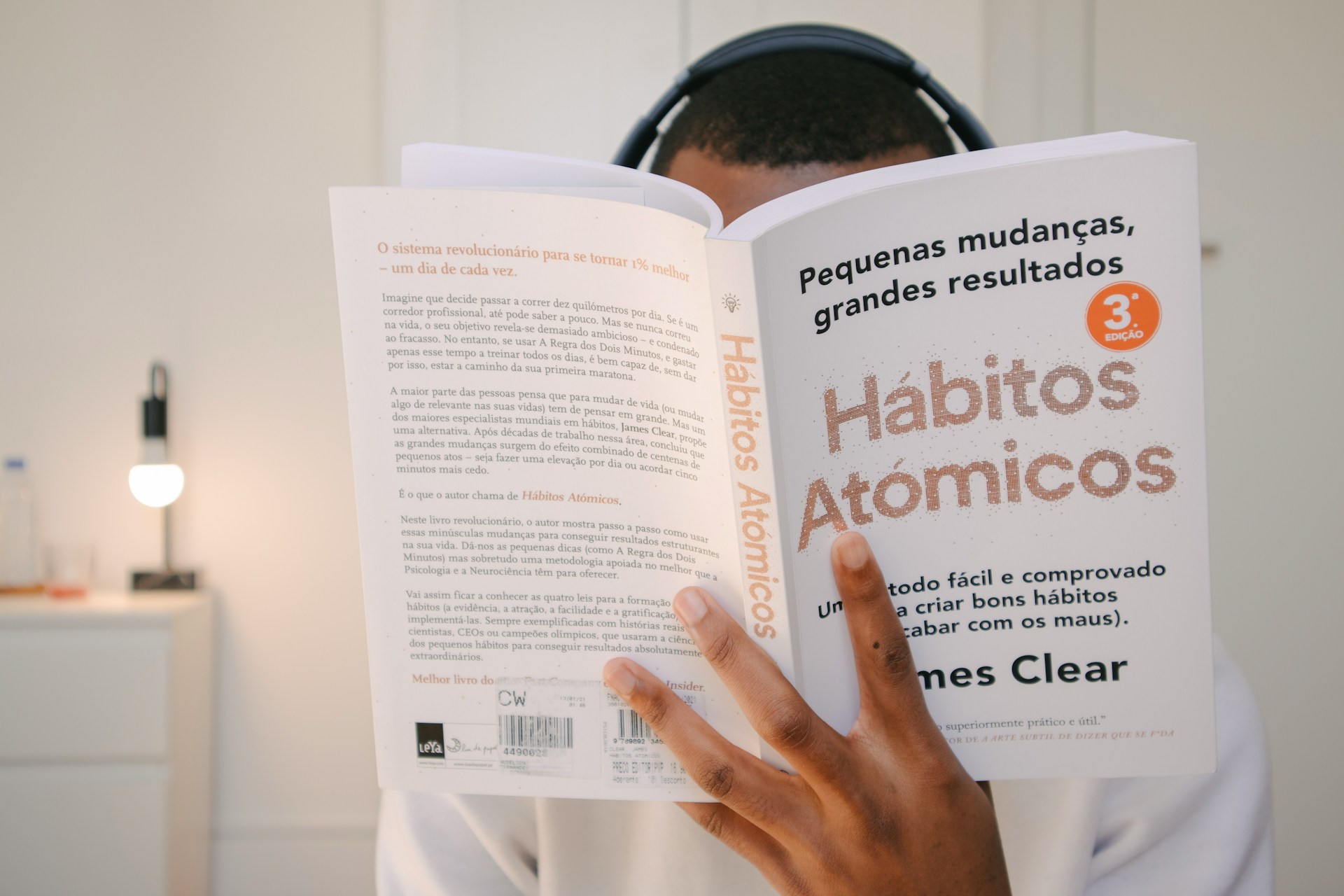
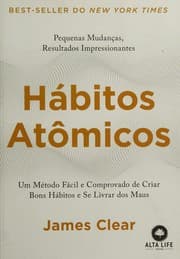
The Practical Match: Atomic Habits
By James Clear (Narrated by the Author)
- The Hook: A systems-based guide to self-improvement using the clear, structured language of modern success.
- The Why: James Clear writes in a highly pattern-based way, which is perfect for the "Input Hypothesis": we learn best when language is just slightly above our current skill level. The vocabulary here is functional and professional, providing the exact words you need to discuss progress in a work environment.
- The Golden Nugget: You do not rise to the level of your goals: you fall to the level of your systems (and your vocabulary).
The Hidden Gem: Born a Crime
By Trevor Noah (Narrated by the Author)
- The Hook: A hilarious memoir narrated by one of the most gifted linguistic mimics alive.
- The Why: Trevor Noah is a polyglot who understands that language is about identity. In this performance, he switches between accents and registers, showing the fluidity of English. It is an inspiring reminder that English is a global tool that belongs to everyone.
- The Golden Nugget: Language is a "key" that unlocks the humanity of others. The more voices you can hear, the more worlds you can enter.
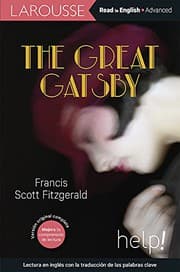
The Artistic Pivot: The Great Gatsby
By F. Scott Fitzgerald (Narrated by Jake Gyllenhaal)
- The Hook: A poetic classic showcasing the descriptive power of English.
- The Why: Jake Gyllenhaal's narration is slow and deliberate. It is perfect for "prosody training," allowing you to hear the intentional pauses and shifts in tone that convey sarcasm or longing.
- The Golden Nugget: The best English isn't just correct: it is evocative.
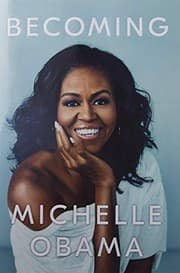
The Authority Pick: Becoming
By Michelle Obama (Narrated by the Author)
- The Hook: An intimate journey from Chicago to the White House, narrated with impeccable American diction.
- The Why: Michelle Obama's voice is the pinnacle of authoritative American English. She speaks with a cadence that is both warm and commanding. Because the book covers a vast range of life experiences, it provides a massive variety of vocabulary contexts.
Turning Input into Output: The "Shadowing" Technique
To scale your fluency, you must turn listening into speaking. This is where "Shadowing" comes in. As you listen, try to repeat the narrator's words exactly as they say them, staying only a fraction of a second behind.
This is the fastest way to align your tongue with your ears. It forces you to adopt the narrator's prosody and speed. Doing this for just fifteen minutes a day with a book like Becoming or Sapiens trains your facial muscles for the physical marathon of English conversation.
The Alchemy of the Human Voice
We live in an age of automated translation, yet the demand for human narration is higher than ever. Why? Because we crave the emotional weight only a human voice provides. A narrator's sigh or a slight change in pitch tells you more about meaning than any dictionary.
For the English learner, this human touch is the ultimate value. When you listen to Trevor Noah or Michelle Obama, you aren't an "ESL student" anymore. You are a participant in a global conversation. The language is no longer a barrier: it is the bridge.
Key Takeaways: The Audible Mastery Plan
- Prioritize Prosody: Focus on the rhythm and stress of the narrator to fix your own accent.
- Adjust Your Speed: Use 0.8x to hear the "links" and 1.2x to build a processing buffer.
- Use the Input Hypothesis: Choose books that are one level above your current skill.
- Practice Shadowing: Turn passive listening into active speaking training.
The journey to fluency is found in the hours you spend lost in a great story. By following the acoustic path, you aren't just learning to speak: you are learning to hear the world in a whole new way.
Claim your free trial on Audible today.
What audiobook is best for learning English pronunciation?
Becoming is a strong pick because Michelle Obama’s narration is clear, steady, and richly American. The Great Gatsby is also useful if you want slower, more deliberate prosody.
Which audiobook is easiest for English learners to start with?
Atomic Habits is the easiest starting point because James Clear uses short, patterned sentences and practical vocabulary. It is less intimidating than Sapiens and easier to follow than Born a Crime By Trevor Noah (Narrated by the Author).
Can audiobooks really help you sound more native in English?
Yes, if you use them actively. Born a Crime By Trevor Noah (Narrated by the Author) helps with accent range and natural speech, while The Great Gatsby trains rhythm and pauses; shadowing either one can improve your timing.
Books mentioned in this article

Want more books like these?
Tell us what you're in the mood for and get 3 perfect picks.
Discover your next read→