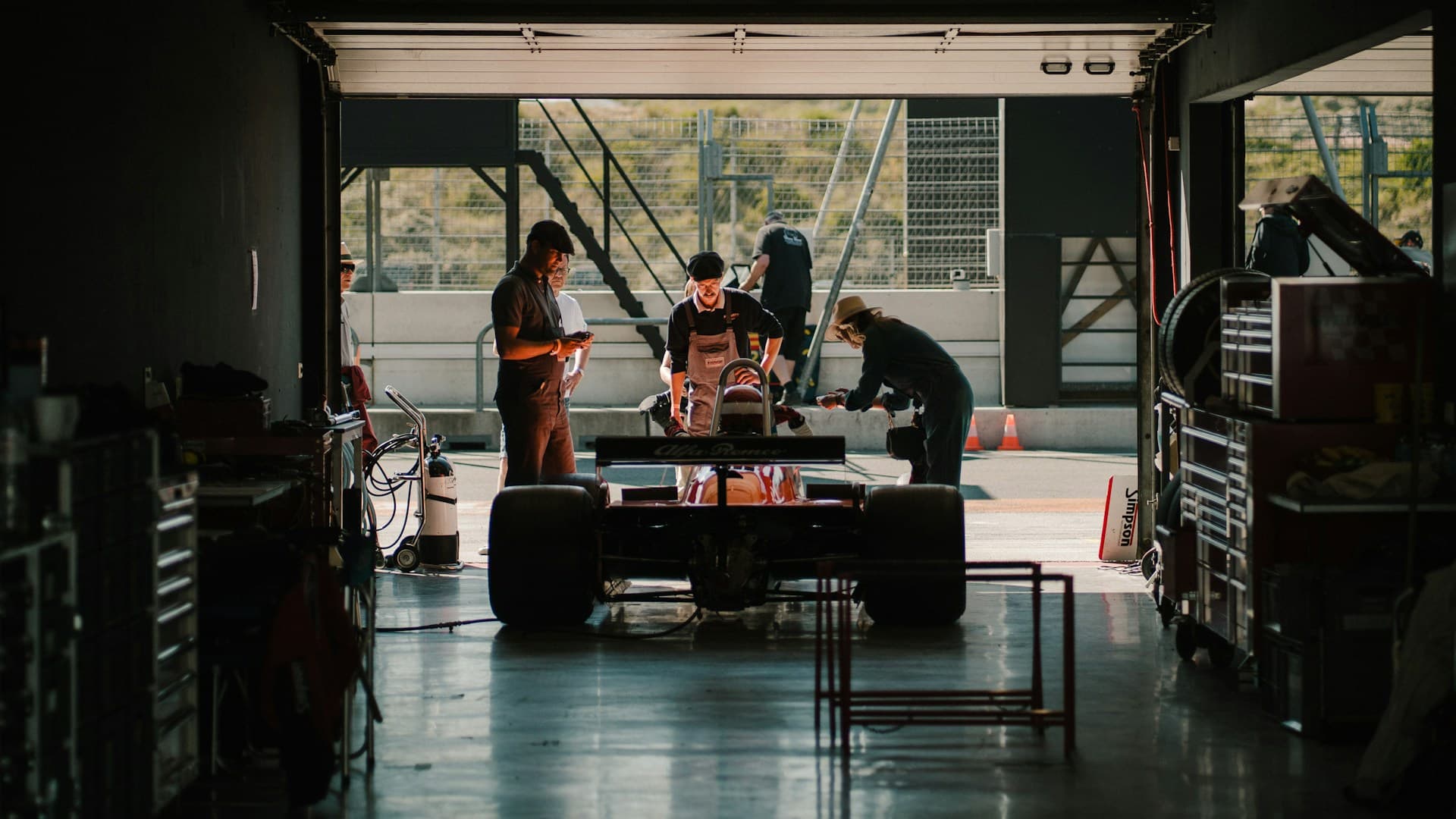
In the autumn of 1961, a crowd of ten thousand spectators at Monza witnessed a tragedy that fundamentally altered the trajectory of motorsport. The Italian Grand Prix was intended to be a coronation for either Phil Hill or Count Wolfgang von Trips; instead, it became a funeral pyre. Von Trips, a German nobleman with a movie-star visage, collided with Jim Clark. His Ferrari launched into the stands, killing fifteen spectators and the driver himself. This was an era where drivers were essentially gladiators in fireproof pajamas, operating within a sport that prioritized velocity over survival. Fast forward to the present day and the landscape has shifted entirely. Formula 1 is no longer a niche European blood sport: it is a multi-billion dollar commercial titan.
This selection of literature serves as a guide for the millions of viewers who discovered the sport through Netflix. While Drive to Survive excels at capturing heated radio messages and paddock friction, it often leaves the audience hungry for a technical foundation and a firmer grasp of historical context. Total global cumulative reach reached an estimated 800 million in 2025, a staggering increase over the last decade. This growth signals a new era where fans are no longer satisfied with mere highlights. They want to understand the physics of a tire compound and the legacy of the innovators who built this world.
To truly grasp why a 0.1% gain in aerodynamic efficiency is worth fifty million dollars, one must look toward the written word. The screen captures sparks flying off a titanium skid block, yet it cannot explain the cognitive load on a strategist during a rainy Sunday at Spa. We move from the grease-stained hands of the 1960s to the silicon-driven simulations of 2026. The following selections represent the pinnacle of F1 writing, curated to offer a complete education on the sport.
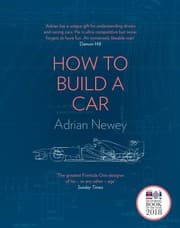
How to Build a Car by Adrian Newey If there is a definitive masterpiece in the genre, it is the work of the man who still uses a pencil and a drafting board in an age of supercomputers. Adrian Newey has designed cars that have secured 12 Constructors' Championships for three different teams: Williams, McLaren, and Red Bull. His insights provide a technical depth that makes the average broadcast commentary feel elementary.
- The Hook: A rare glimpse into the mind of the only designer who can intuitively "see" airflow as it passes over a carbon fiber wing.
- The Why: This book is essential because it fuses raw engineering with human drama. Newey does not just discuss wind tunnels; he recounts the harrowing days following the death of Ayrton Senna in a car he designed. It is a haunting, brilliant examination of responsibility and the pursuit of perfection.
- The Golden Nugget: Success in Formula 1 is not about following the rules; it is about reading the white space between the regulations to find an "unfair advantage."
The Mechanic by Marc Priestley While designers live in a world of theoretical physics, the mechanics inhabit a reality of sleep deprivation and adrenaline. The operational pressure of a 24-race calendar takes a physical toll few fans can comprehend. There is a gritty reality to the pit lane that involves more than just two-second tire changes.
- The Hook: An unfiltered account of the McLaren garage during the explosive rivalry between Lewis Hamilton and Fernando Alonso.
- The Why: Marc Priestley, a former No. 1 mechanic, provides the human context that technical manuals lack. He details the psychological warfare within the team and the logistical madness of moving a traveling circus across five continents every year. It serves as a practical guide to high-performance teamwork under extreme duress.
- The Golden Nugget: A championship is won in the garage during the early hours of Monday morning, not just on the podium on Sunday afternoon.
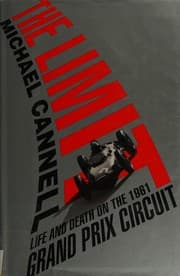
The Limit by Michael Cannell To understand the soul of the sport before it was polished by billion-dollar corporate sponsorships, we must return to the 1960s. This was the transition point where the sport began to grapple with its own lethality. The rivalry between an American challenger and a German aristocrat serves as the lens through which to view this transformation.
- The Hook: A cinematic, meticulously researched narrative that reads like a thriller while carrying the weight of historical tragedy.
- The Why: Cannell's work is the surprising niche pick that every serious fan needs. It captures the "deadliest era" with a sophistication that rivals the best long-form journalism. It reminds the reader that the safety we see today was paid for in the blood of previous generations.
- The Golden Nugget: The evolution of safety in racing was rarely a proactive choice; it was a reactive necessity born from the unbearable cost of losing the world's greatest talents.
The Evolution of the Show: From Bernie to Liberty
Understanding the current state of Formula 1 requires looking at the shift in how the sport is managed. When Liberty Media acquired the sport in 2017, they inherited a brand that was stuck in the 1990s. Bernie Ecclestone, the long-time czar of the paddock, famously ignored social media, focusing instead on high-value broadcast rights and legacy sponsors. This traditional mindset nearly led the sport into irrelevance as digital platforms began to dominate.
The move toward digital-first engagement was a fundamental change. By opening the paddock to cameras and humanizing the drivers, the sport created a narrative that transcended engine technicalities. Yet, this growth brings contradictions. There is a constant tension between the "show" (the celebrity-filled Miami Grand Prix) and the "sport" (the technical meritocracy where the best car typically wins by a significant margin).
The 2026 technical regulation changes, which focus on sustainable fuels and increased electrical power, represent the next major challenge for manufacturers. Ferrari, Mercedes, and Audi are not just racing for trophies; they are racing for intellectual property that will dictate the future of the global automotive market. This is the ultimate high-stakes research lab.
The Business of Speed
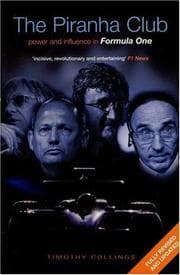
For a comprehensive overview of how the money flows, refer to Timothy Collings' The Piranha Club. This explores the team principals who navigate the complex political and financial agreements governing the sport. The cost cap has turned the sport from a "who has the most money" contest into a "who can be the most efficient" contest. This is a fundamental change in how a paddock operates.
Key Takeaways
- The Engineering Advantage: Understanding aerodynamics is the first step to appreciating why some teams dominate for years while others languish.
- The Human Element: Behind the carbon fiber, the sport is still driven by ego, rivalry, and the psychological strength of the crew.
- Historical Context: You cannot appreciate the safety of the modern era without understanding the glamorous chaos of the 1960s.
- The Business Model: Formula 1 has transitioned from a niche hobby to a global media property driven by data.
The best Formula 1 books offer more than just anecdotes: they provide a framework for understanding one of the most complex human endeavors on the planet. Whether you are a newcomer or a lifelong fan, these texts will deepen your appreciation for the twenty cars that line up on the grid every other Sunday.
What is the best Formula 1 book for beginners?
How to Build a Car is the best starting point because Adrian Newey explains the sport from the inside out. It gives you the technical logic behind speed without drowning you in jargon.
Which Formula 1 book is best for understanding the history of the sport?
The Limit is the strongest pick for history because it captures the lethal, pre-safety era of F1 with real tension. It shows why modern racing rules and safety standards exist.
Is there a good Formula 1 book about the business and politics of the sport?
The Piranha Club is the one to read for the money and politics side of F1. It focuses on the team principals and the power games behind the grid.
Books mentioned in this article
Want more books like these?
Tell us what you're in the mood for and get 3 perfect picks.
Discover your next read→