Best Books for TikTok Creators
TikTok creators are built inside attention markets: books like Max Fisher’s Chaos Machine, Sarah Frier’s No Filter, and Taylor Lorenz’s Extremely Online turn viral moments into creator economics, platform incentives, and labor realities.
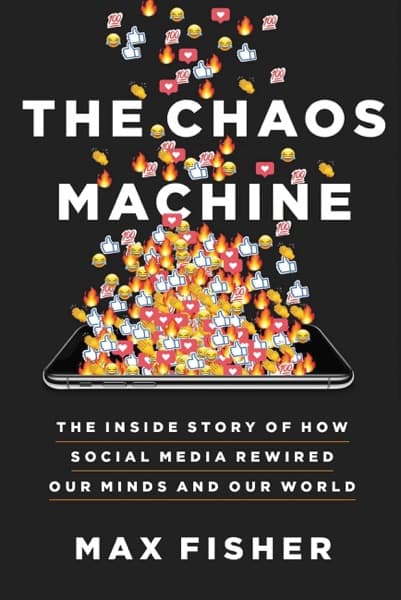
Chaos Machine
Max Fisher
After Chaos Machine, TikTok creator “luck” reads like system behavior: platforms, metrics, and feedback loops train what rises and why.
Recommendation systems turn audience behavior into creator outcomes.
Fisher traces how recommendation-driven platforms evolved, so TikTok success stops feeling personal and starts feeling structural. That lens helps you analyze creator growth, moderation pressure, and the trade-offs behind visibility.
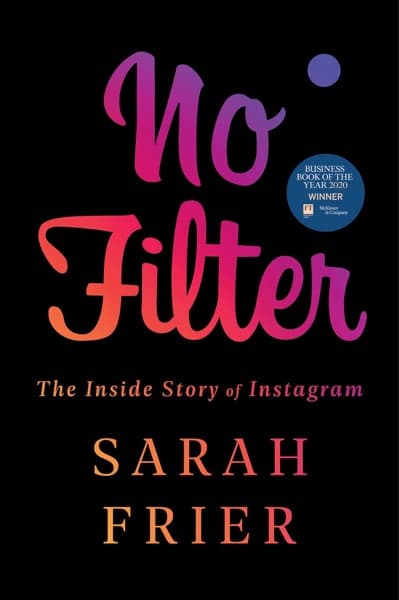
No Filter
Sarah Frier
No Filter makes influencer work legible as business: sponsorships, contracts, and reputational risk show up as the real engine behind the persona.
Influencer labor is organized through contracts and platforms.
Frier maps the influencer economy’s logic before TikTok’s current era, clarifying how creators earn, negotiate, and get managed. For TikTok creators, it provides a durable framework for understanding creator labor and the economics behind brand deals.
Extremely Online
Taylor Lorenz
Extremely Online reframes creator fame as a media ecosystem: attention, outrage, and platform incentives reshape identity on the feed.
Online attention is a feedback loop for identity.
Lorenz connects internet-culture reporting to the forces that lift and end careers, which fits TikTok’s creator-driven visibility machine. It helps you interpret viral moments as part of a larger cultural and technological system, not isolated trends.
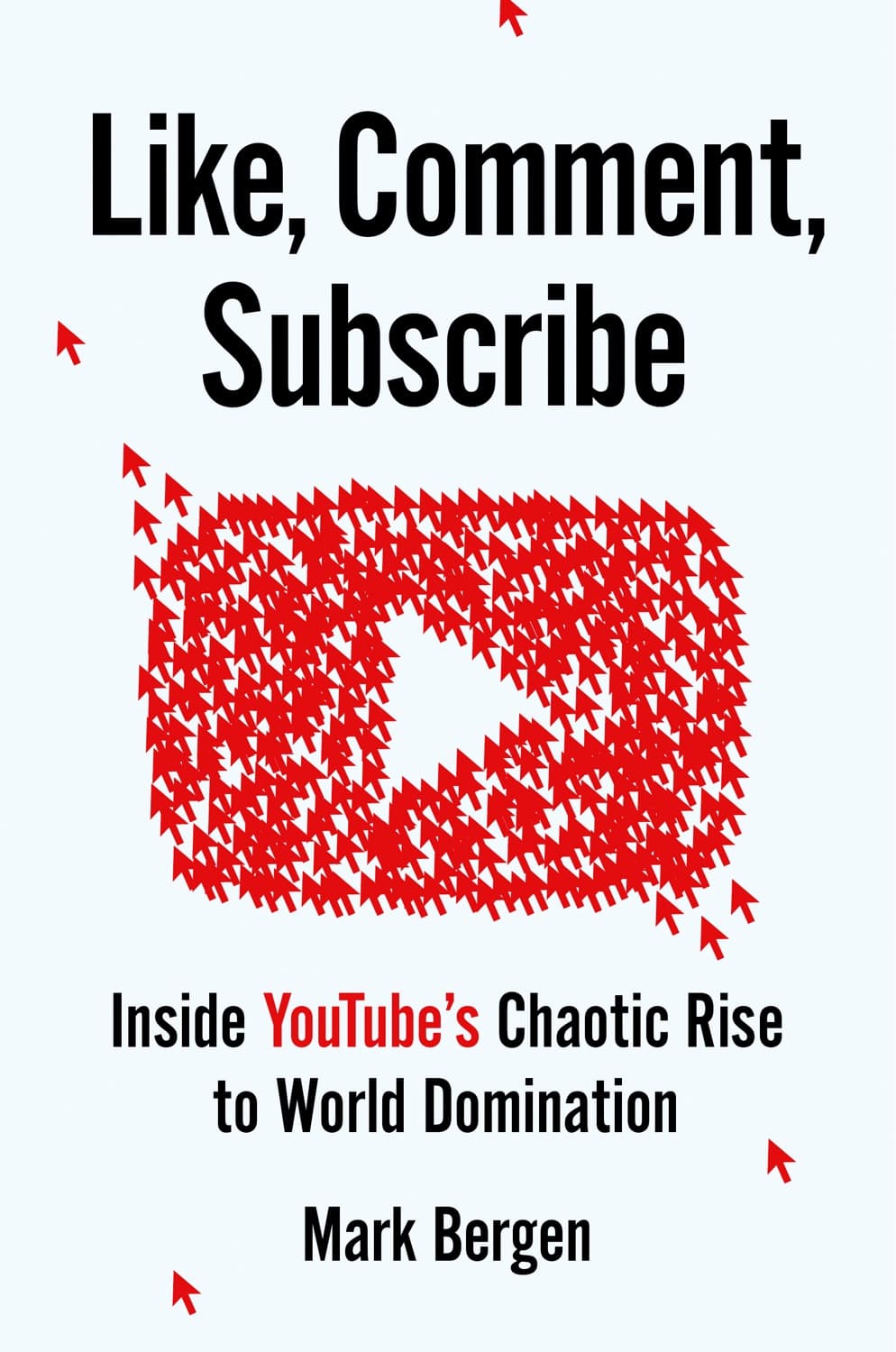
Like, Comment, Subscribe
Mark Bergen
Like, Comment, Subscribe shows recommendation systems as the invisible manager: creators adapt content because ranking changes what viewers reward.
Engagement drives ranking, which drives more engagement.
Bergen’s reporting makes the mechanics of platform distribution understandable, which is crucial for TikTok creators trying to navigate growth and reach. It gives you a clearer way to think about what platforms optimize and how that shapes creative decisions.
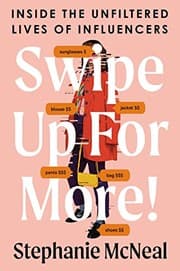
Swipe up for More!
Stephanie McNeal
Swipe up for More! treats monetization like creative infrastructure: creators do not just post, they build funnels that platforms reward.
Monetization changes content strategy.
McNeal focuses on audience monetization and the tactics creators use to turn attention into revenue. That matters for TikTok because audience capture, conversion pressure, and sponsorship mechanics directly influence what creators produce.
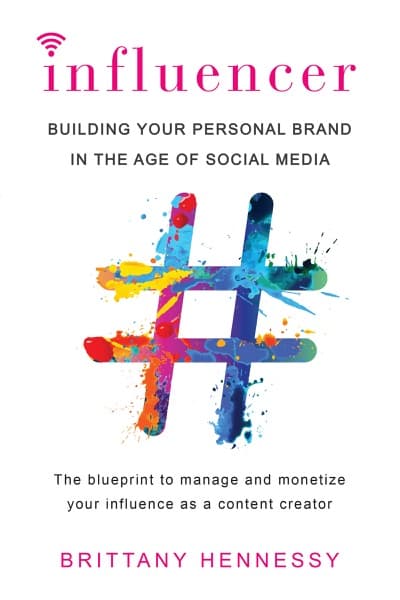
Influencer
Brittany Hennessy
Influencer turns brand partnerships into a creative contract: what you call “your style” is also a negotiable asset.
Positioning is as important as production.
Hennessy brings the talent-executive perspective, helping you see how creators are evaluated, positioned, and protected in creator-brand dynamics. For TikTok creators, it clarifies how opportunities emerge and what trade-offs get baked into the deal.
Influencer labor is organized through contracts and platforms.
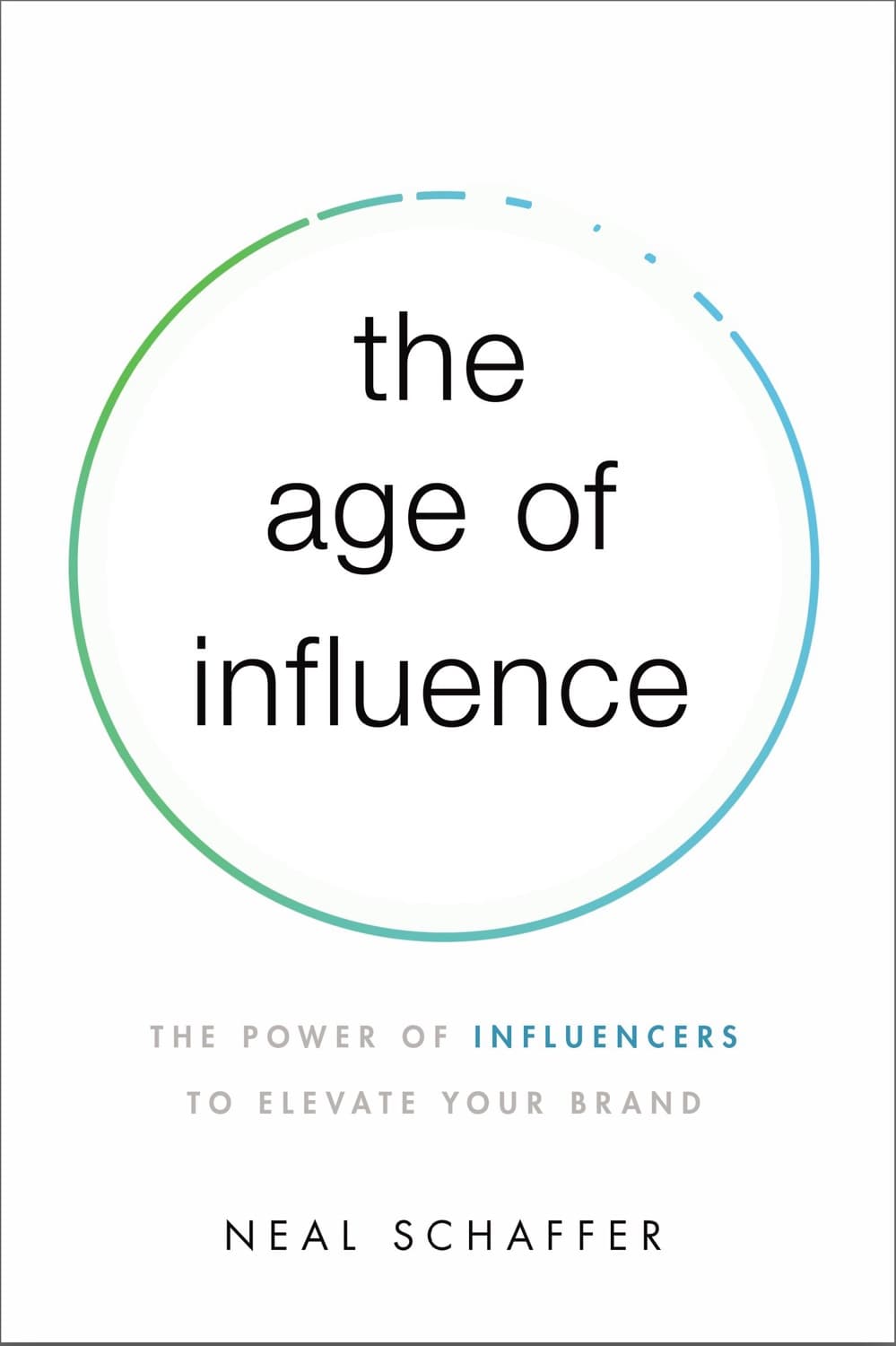
The Age of Influence
Neal Schaffer
The Age of Influence helps you spot influencer marketing’s hidden operating system: measurement, messaging, and media planning drive strategy beyond posting.
Influence scales when it’s measurable.
Schaffer explains how commercial influence works, so you can understand TikTok creator success in terms of goals, audiences, and outcomes marketers actually pay for. It’s a practical bridge between creator output and the advertising logic behind it.
Can we tailor this list for you?
Type your question in the bar below and the AI will tailor a fresh set of picks just for you.