Best Books for Mastering LinkedIn
Mastering LinkedIn is less about the platform's buttons than the skills it rewards: a clear professional story, a real network, and content people actually want to read. This shelf pairs the few strong books written directly about LinkedIn with the classics on personal branding, networking, and social selling that make a profile work.
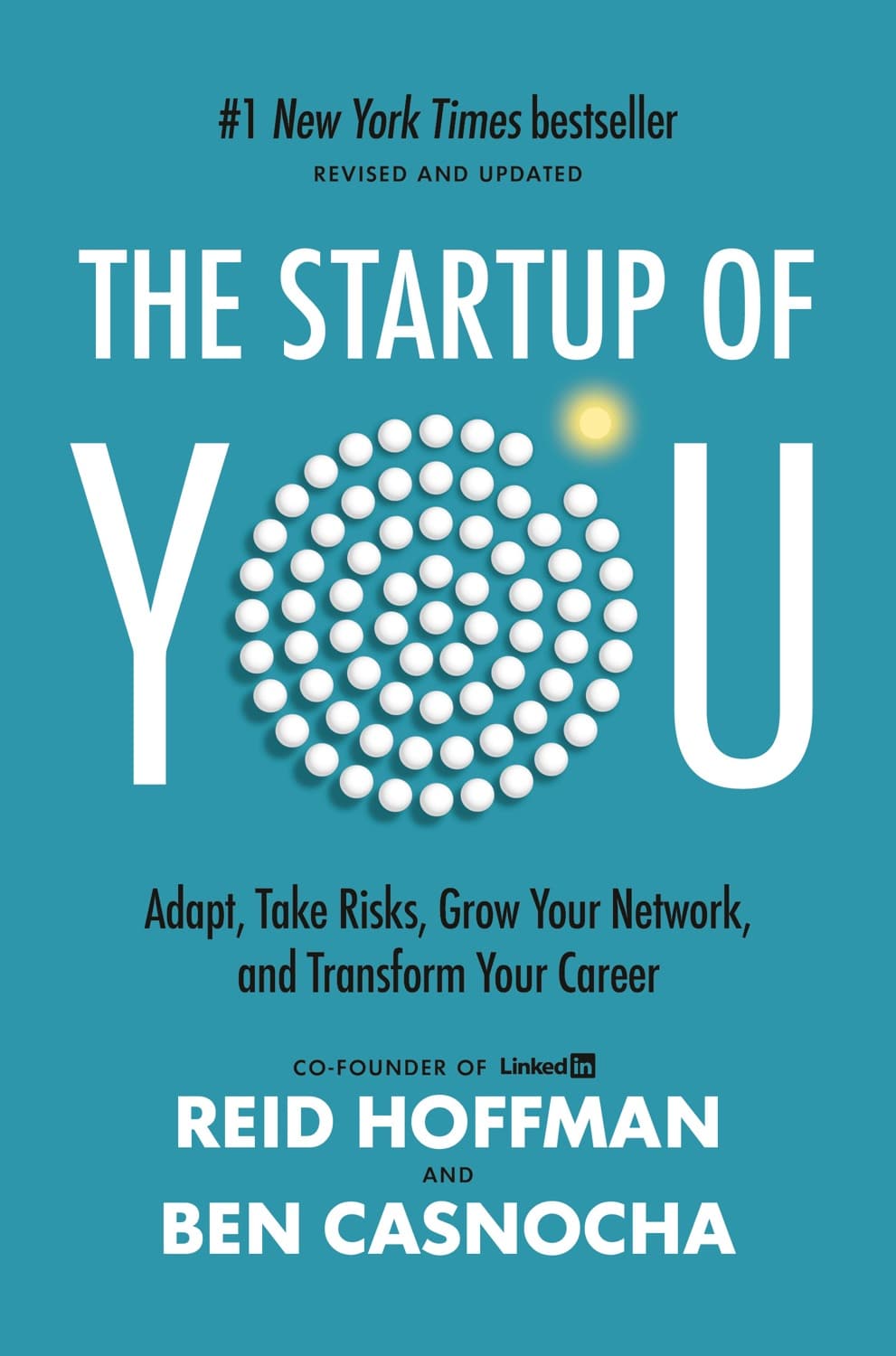
The Start-up of You
Reid Hoffman, Ben Casnocha
Career strategy from the man who co-founded LinkedIn.
Hoffman's rule that I becomes We means your real competitive edge is not your resume but the strength and reach of your network.
Hoffman applies startup thinking to your career, arguing you should treat yourself as a company in permanent beta, invest in your network deliberately, and take intelligent risks, the exact mindset the whole LinkedIn platform was built to serve.
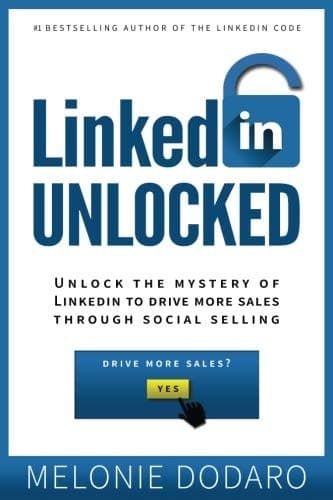
LinkedIn Unlocked
Melonie Dodaro
A step-by-step playbook for turning your profile into a pipeline.
Dodaro's core rule is that your profile should read as a resource for your client, not a resume for you, which flips how most people write their headline.
Dodaro treats LinkedIn as a client-generation engine, walking through profile optimization, connection strategy, and the messaging cadence that starts conversations without spamming, the most practical hands-on manual written for the platform itself.
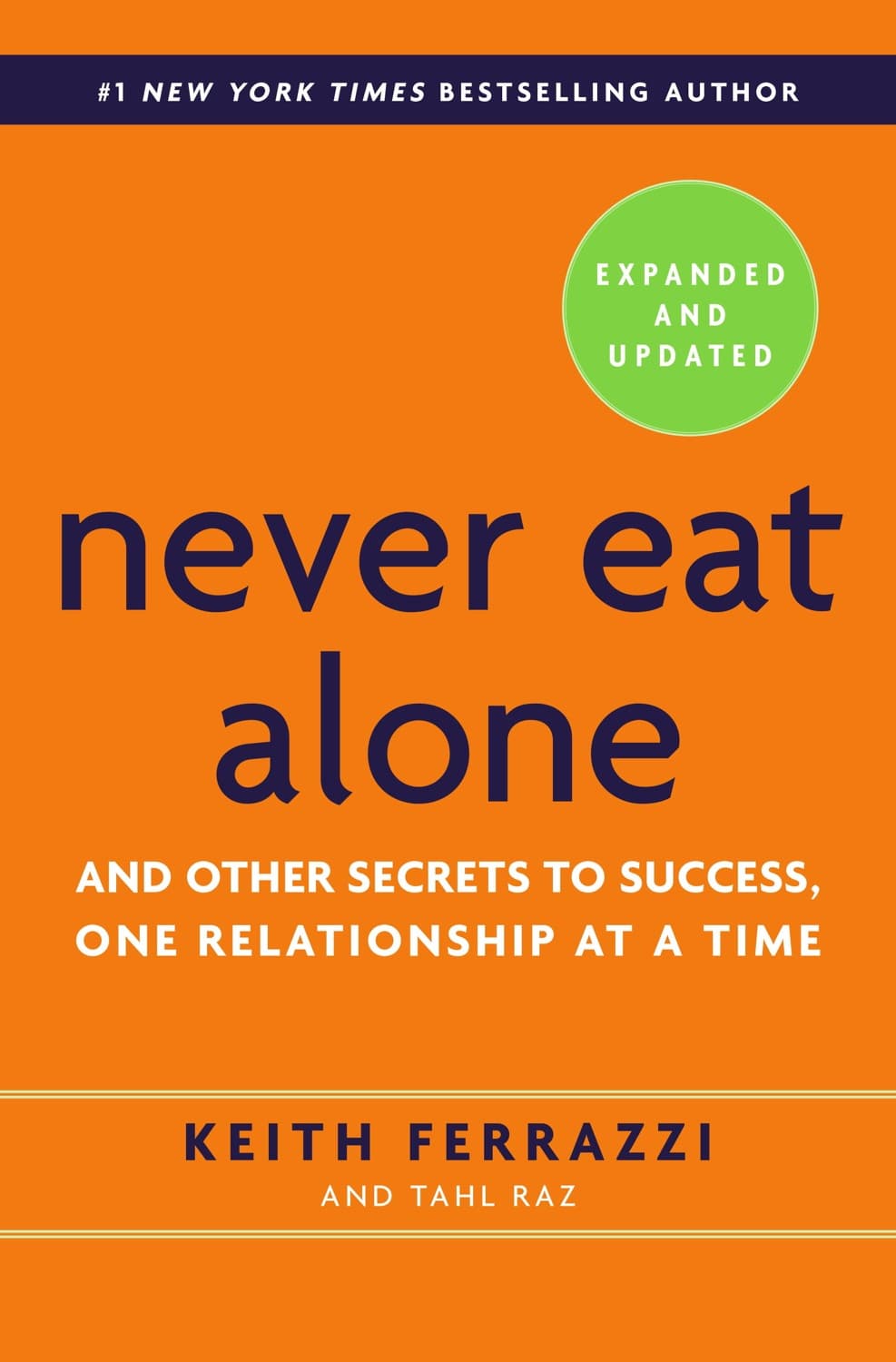
Never Eat Alone
Keith Ferrazzi, Tahl Raz
The networking classic that reframes contacts as relationships.
Ferrazzi's central move is to reach out before you need anything, so your network is already warm when the moment finally comes to ask.
Ferrazzi lays out how generosity, consistent follow-up, and genuine curiosity build a network that lasts, giving you the offline principles that make online connection requests actually land instead of getting silently ignored.
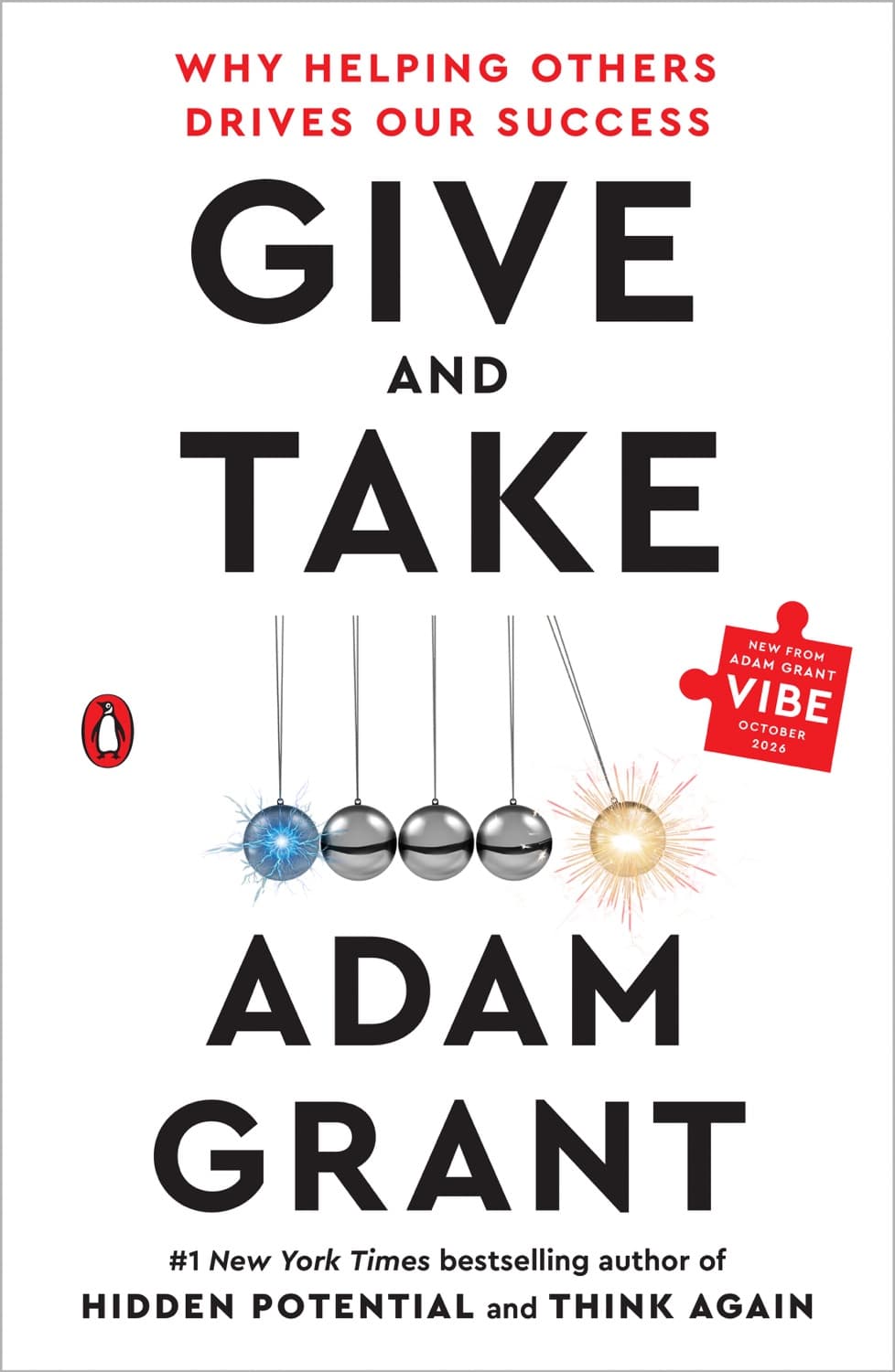
Give and Take
Adam Grant
Why the most generous professionals end up on top.
Grant finds givers at both the bottom and the very top, and the difference is whether they give strategically or let themselves be exploited.
Grant, a Wharton psychologist, uses research to show that givers who help without keeping score often outperform takers and matchers over time, explaining the reciprocity that makes a LinkedIn presence compound rather than stall.
Stand Out
Dorie Clark
How to become known for a distinctive idea, not just a job title.
Clark argues you rarely need to invent something new, you need to be the one who connects and names the ideas others have only vaguely felt.
Clark maps the path from expert to recognized thought leader, showing how to develop a breakthrough idea and build an audience around it, the exact engine behind a LinkedIn feed that grows a following instead of gathering dust.
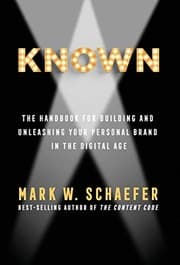
KNOWN
Mark W. Schaefer
A practical system for building a personal brand from zero.
Schaefer's research finds the biggest predictor of becoming known is not talent but the stamina to keep publishing after everyone else has quit.
Schaefer breaks personal branding into a repeatable process of finding your space, choosing the right platform, and producing content consistently, with case studies of unknowns who became authorities, which maps cleanly onto building authority on LinkedIn.
Dodaro's core rule is that your profile should read as a resource for your client, not a resume for you, which flips how most people write their headline.
Superconnector
Scott Gerber
Trading business cards is dead; curation and generosity replace it.
The most valuable people in any network are not the best connected but the best at connecting others, the role this book teaches you to play.
Gerber and Paugh argue the old collect-contacts model is obsolete and show how to become a hub who connects others, manages relationships in tiers, and adds value at scale, a modern blueprint for actually using a large LinkedIn network.
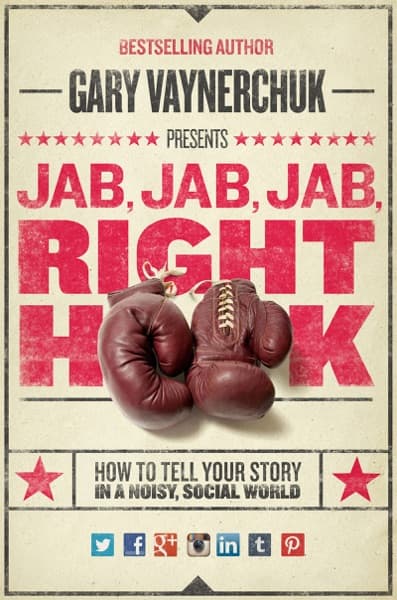
Jab, jab, jab, right hook
Gary Vaynerchuk
Give value repeatedly before you ever ask for the sale.
The jabs are the value you give away freely, and the rare right hook only lands because you first earned the audience's attention.
Vaynerchuk breaks down why native, platform-specific content earns attention and why most posts fail by asking too soon, a content philosophy that translates cleanly into LinkedIn posts that build goodwill long before the pitch.
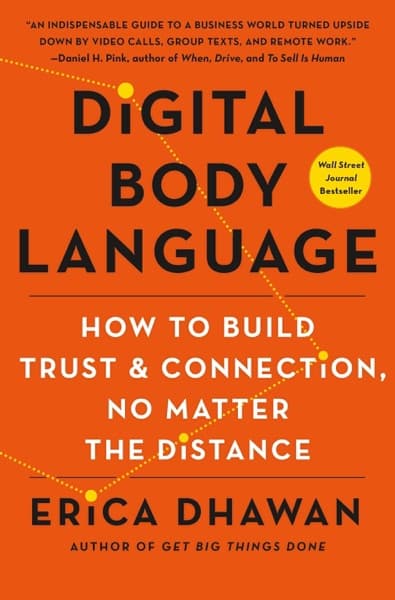
Digital Body Language
Erica Dhawan
The unwritten rules of trust and clarity in online communication.
Dhawan shows that a slow reply or a curt one-word message can quietly torch trust, the same signals that make cold LinkedIn messages fall flat.
Dhawan decodes how tone, response time, and punctuation signal respect or carelessness in digital messages, a set of skills that quietly decides whether your LinkedIn outreach and comments read as credible or get ignored.
Can we tailor this list for you?
Type your question in the bar below and the AI will tailor a fresh set of picks just for you.