Best Books on Building Winning DTC Brands
A winning direct-to-consumer brand rests on three things: a sharp position in the buyer's mind, a product worth talking about, and a way to sell without a middleman. These books trace that arc, from the founders who rewrote the rules to the positioning, messaging, and growth tactics that stretch a small budget.
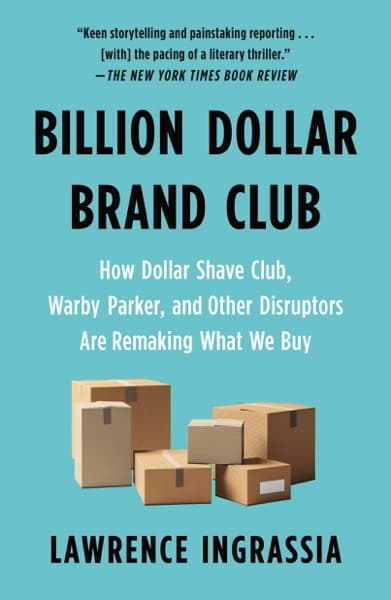
Billion Dollar Brand Club
Lawrence Ingrassia
The insider story of how a wave of upstarts dismantled the consumer giants.
Nearly every breakout DTC brand began by attacking one overpriced, under-loved category the giants had quietly stopped improving.
Ingrassia reports from inside Dollar Shave Club, Harry's, Warby Parker, and Casper, showing how each one spotted a lazy, overpriced incumbent and used the internet to sell direct, cheaper, and with a far sharper brand.
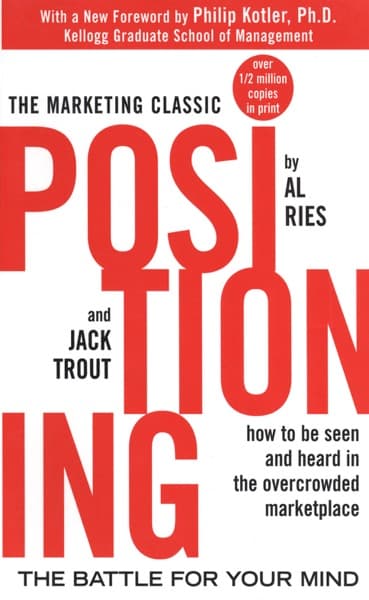
Positioning
Al Ries, Jack Trout
The classic that explains why a brand lives or dies inside the customer's head.
If you cannot be first in a category, redefine the category so that you can be first in a new one.
Ries and Trout argue you win not by being objectively better but by owning a single clear word or slot in the prospect's mind, the exact discipline every crowded DTC category now forces on a new brand.
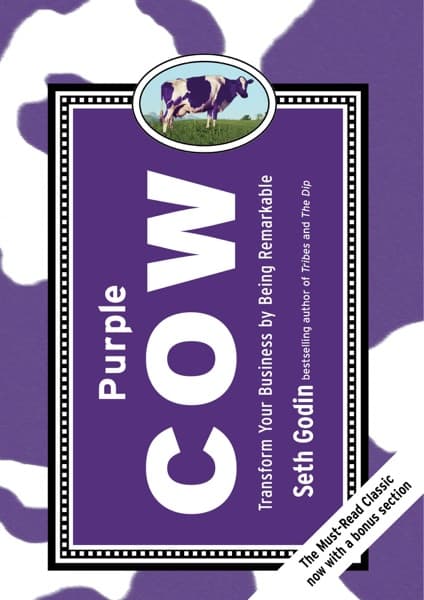
Purple Cow
Seth Godin
Why a remarkable product is the only marketing that reliably still works.
Safe is the riskiest choice: the forgettable middle gets ignored, while the remarkable earns free word of mouth.
Godin makes the case that advertising can no longer rescue an average product, so the DTC founder has to build something genuinely worth remarking on into the product itself rather than bolt it on later.
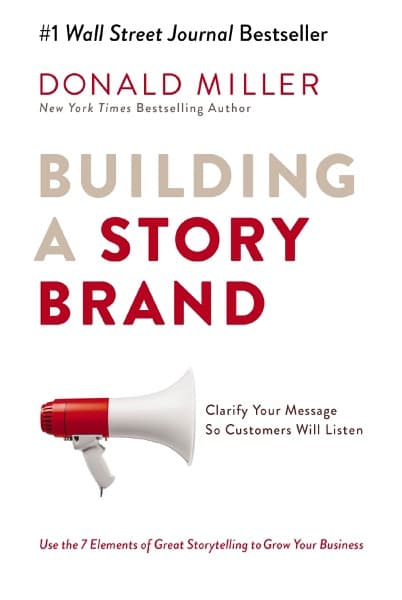
Building a Storybrand
Donald Miller
A framework for making the customer, not your brand, the hero of the story.
Cast the customer as the hero and your brand as the guide; people buy from brands that help them win their own story.
Miller turns classic story structure into a seven-part script that clarifies site copy, emails, and ads so a confused visitor instantly grasps what you sell, why it matters, and what to do next.
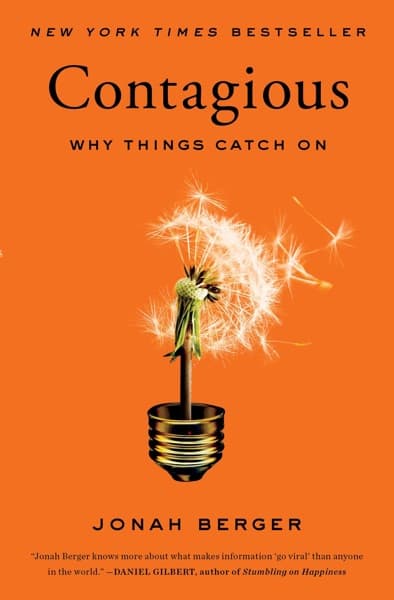
Contagious
Jonah Berger
The research behind why some products get talked about and passed along.
People share what makes them look good; build social currency into the product and customers will market it for you.
Berger distills years of Wharton research into six triggers, his STEPPS model, that make people share a product, which is the growth engine behind DTC brands that spread on word of mouth instead of ad spend.
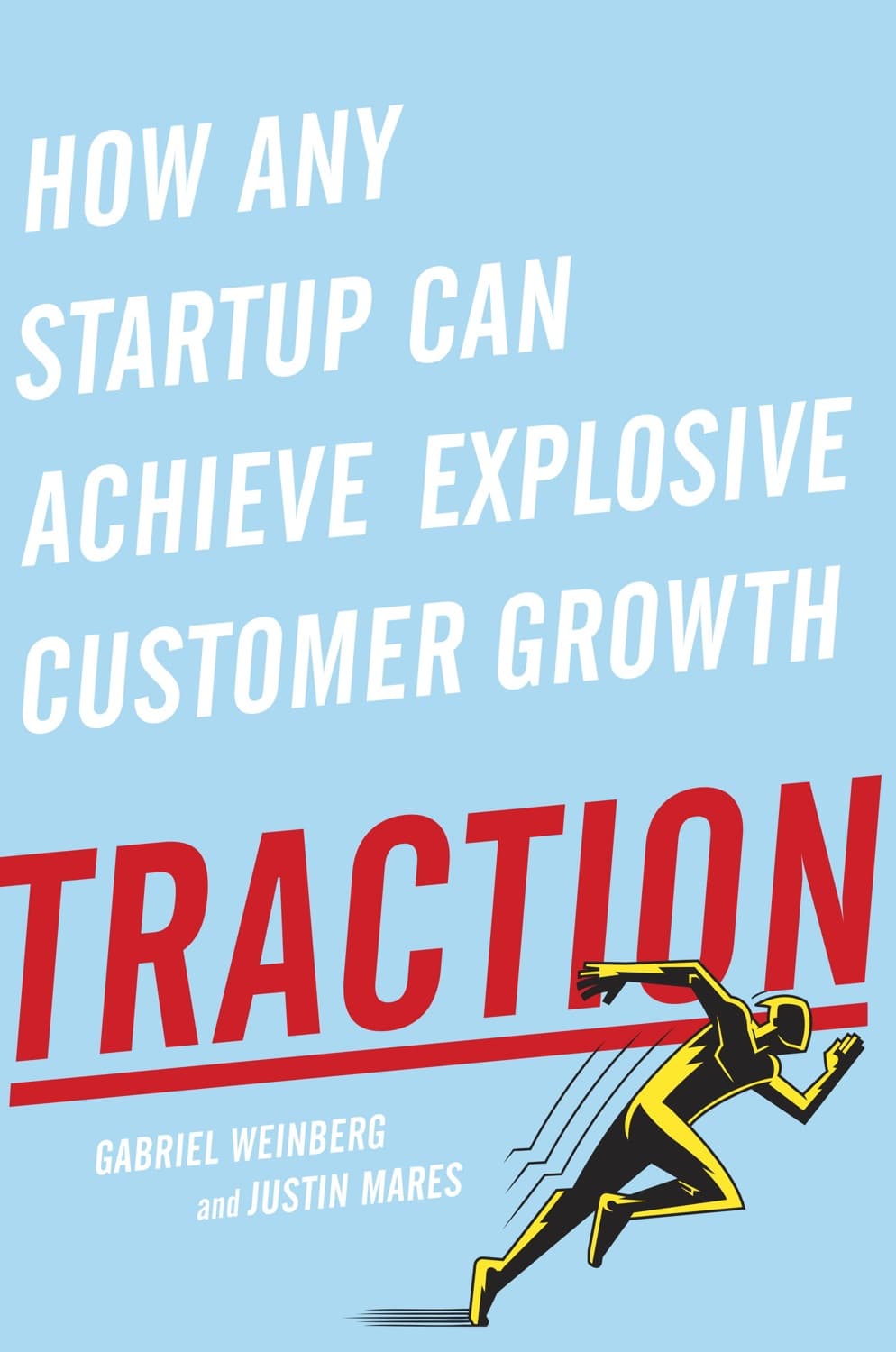
Traction
Gabriel Weinberg, Justin Mares
A systematic way to find the one channel that will actually grow you.
Most startups die from lack of distribution, not product; spend half your effort on traction from day one.
The DuckDuckGo founder lays out nineteen acquisition channels and a bullseye method for testing them cheaply, so a founder stops guessing and quickly finds the channel that genuinely moves the needle.
If you cannot be first in a category, redefine the category so that you can be first in a new one.
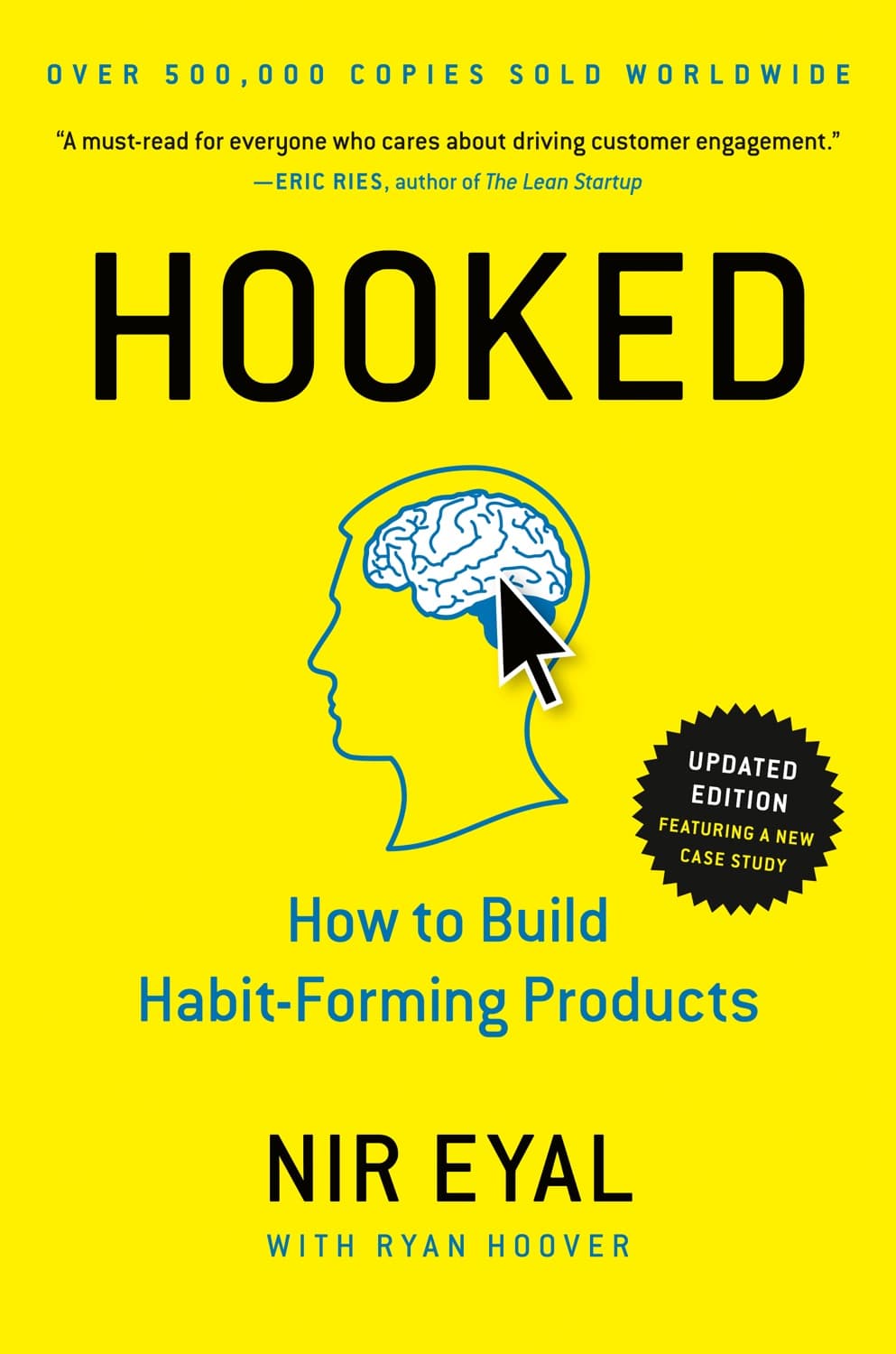
Hooked
Nir Eyal
How to design a product customers return to without being nudged.
DTC brands live or die on repeat purchase; build a reason to come back into the product itself, not just the discount email.
Eyal lays out a four-step hook cycle, trigger, action, variable reward, and investment, that turns a first-time buyer into a repeat user, the retention engine that decides whether a DTC brand's unit economics actually work.
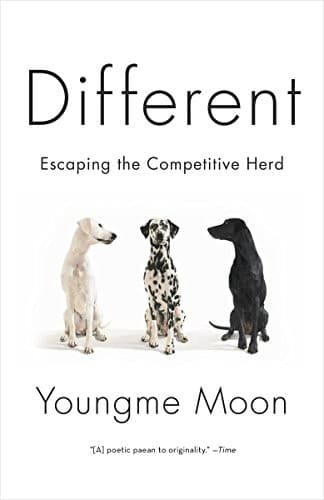
Different
Youngme Moon
A Harvard professor on why rival brands blur together and how to break out.
Differentiation is not having more features than rivals; it is the nerve to be lopsided in ways they will not copy.
Moon shows how entire categories drift into sameness as competitors copy each other's features, then profiles the odd brands that win by subtracting, reversing, or reframing what everyone else offers.
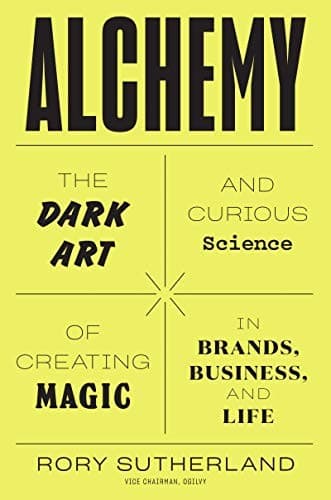
Alchemy
Rory Sutherland
The behavioral-science case for the irrational choices that build brands.
The opposite of a good idea can also be a good idea; test the illogical, because customers buy feelings, not features.
Sutherland, a veteran of the ad industry, argues the biggest brand wins come from psychological value rather than logic, and shows why perception, context, and small signals often beat a better spec sheet.
Can we tailor this list for you?
Type your question in the bar below and the AI will tailor a fresh set of picks just for you.