Best Books on the Labor Market
Work, wages, and the threat of automation get sharp treatment across these nine books. Studs Terkel's Working and Barbara Ehrenreich's Nickel and Dimed report from the floor, while Erik Brynjolfsson, Andrew McAfee, and Daniel Susskind weigh what machines do to jobs.
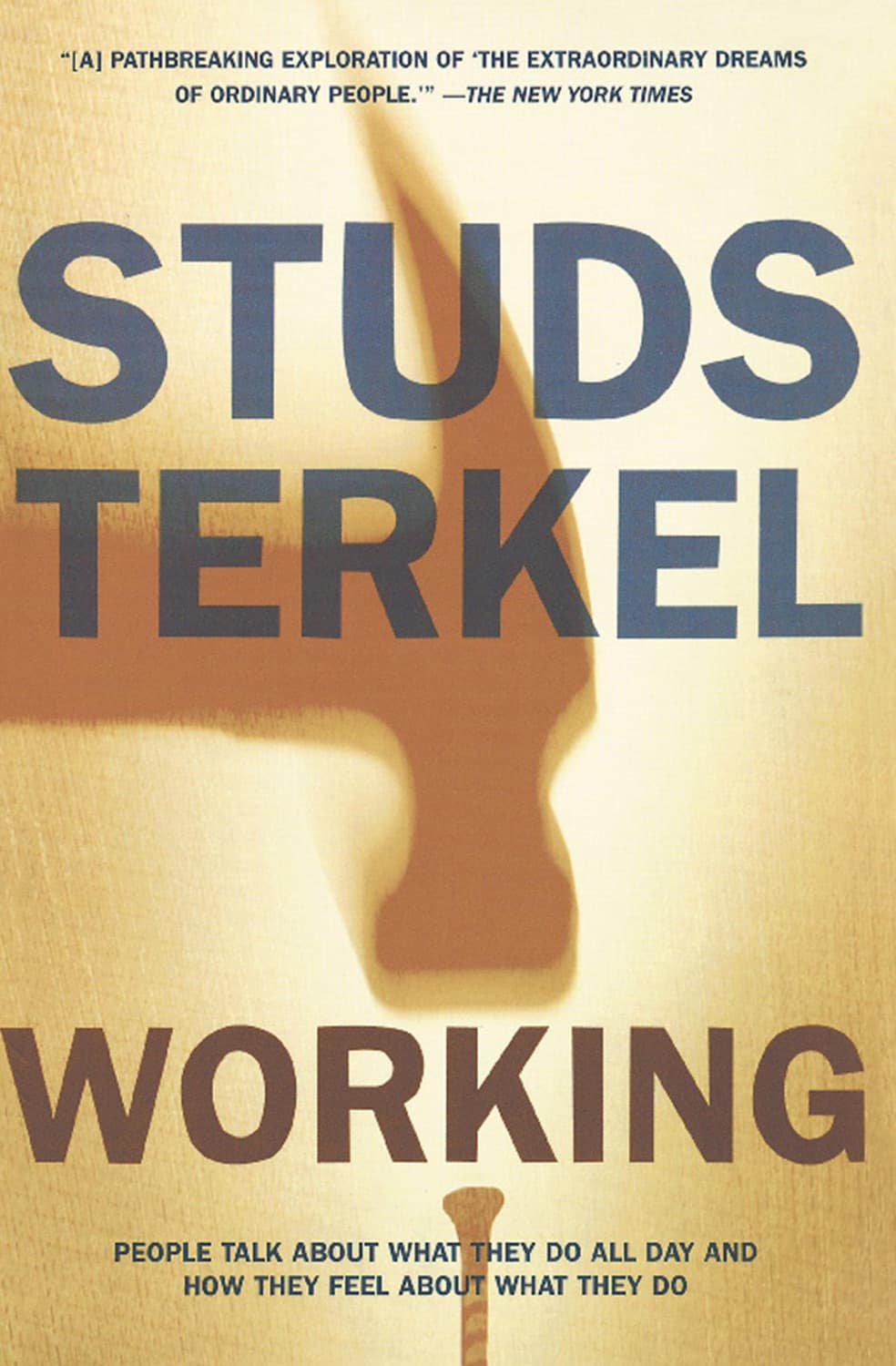
Working
Studs Terkel
Hundreds of Americans describe, in their own words, exactly what they do all day and how it sits with them.
Work is a search for meaning, not just pay.
Studs Terkel's oral history gathers interviews with a switchboard operator, a steelworker, a hospital aide, and dozens more into a portrait of work as it is actually lived. It teaches that a job is identity and grievance as much as wage. For anyone who wants the human ground beneath labor statistics.
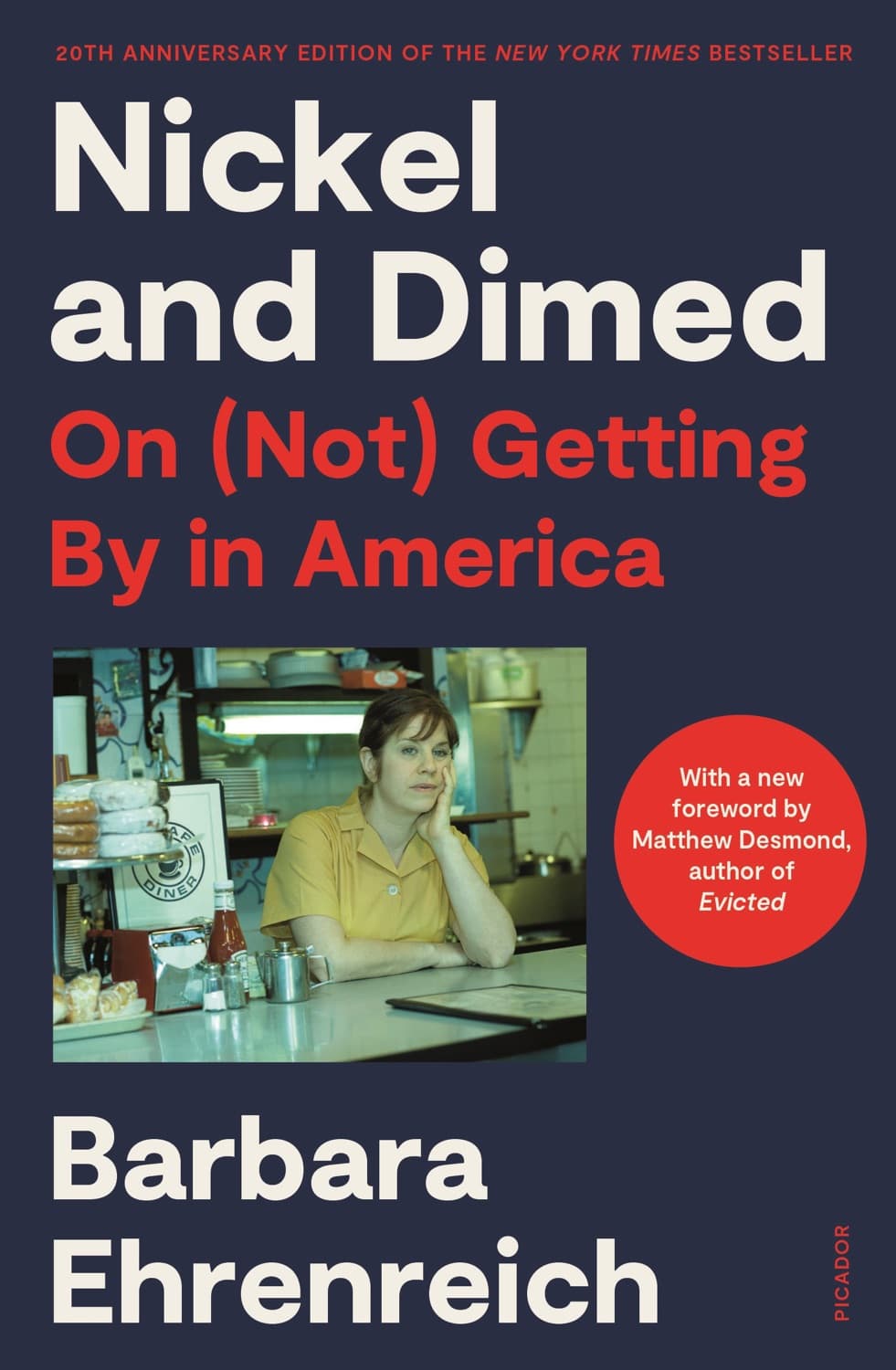
Nickel and Dimed
Barbara Ehrenreich
A writer goes undercover as a waitress, maid, and Walmart clerk to test whether you can live on those wages.
Low-wage work often does not cover the cost of living.
Barbara Ehrenreich takes minimum-wage jobs in three cities and tracks the arithmetic of rent, food, and exhaustion that traps low-wage workers. It teaches how the bottom of the labor market really functions and why effort alone does not close the gap. For readers who want the economics of poverty made concrete.
The Second Machine Age
Erik Brynjolfsson, Andrew McAfee
Two MIT economists argue that digital machines are now doing the cognitive work that used to be safely human.
Machines now compete for cognitive jobs, not just manual ones.
Erik Brynjolfsson and Andrew McAfee map how computing power, data, and software are reshaping productivity and which jobs they threaten. It teaches why technology can grow output while leaving many workers behind, and what skills hold value. For readers tracking automation's effect on employment and wages.
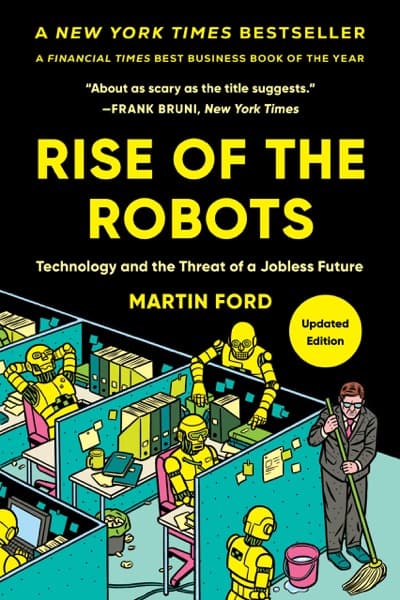
Rise of the Robots
Martin Ford
A Silicon Valley software entrepreneur warns that this wave of automation may not create the replacement jobs the last ones did.
Automation may erase jobs faster than it creates them.
Martin Ford surveys robotics, machine learning, and white-collar software to argue that technology is hollowing out work across skill levels. It teaches the case for structural, not temporary, unemployment and floats responses like a guaranteed income. For readers who want the pessimistic automation argument stated clearly.
A World Without Work
Daniel Susskind
An economist asks what happens to a society when there is genuinely not enough paid work to go around.
Plan for a future with less paid work, not none.
Daniel Susskind examines whether automation will leave us with 'technological unemployment' and works through the policy choices, from income support to the meaning of leisure. It teaches how to think past the 'new jobs always appear' reflex. For readers who want a measured, recent take on the automation question.
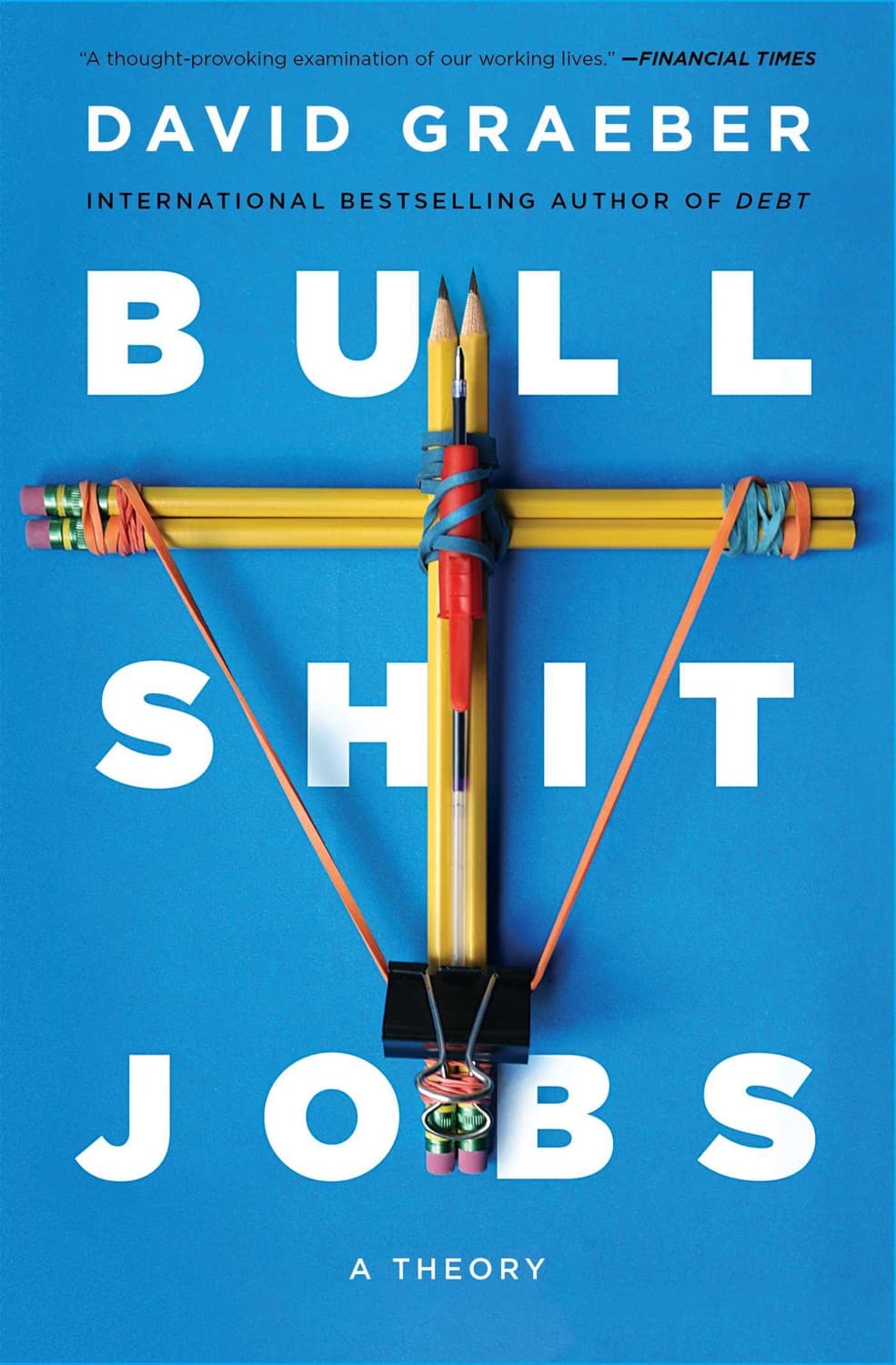
Bullshit Jobs
David Graeber
An anthropologist argues that a startling share of modern jobs feel pointless even to the people doing them.
Many paid jobs produce nothing their workers value.
David Graeber catalogs roles he calls 'bullshit jobs' and asks why an economy keeps generating work nobody believes in. It teaches a provocative lens on what the labor market actually rewards and why busyness persists. For readers curious about the gap between employment and useful work.
Low-wage work often does not cover the cost of living.
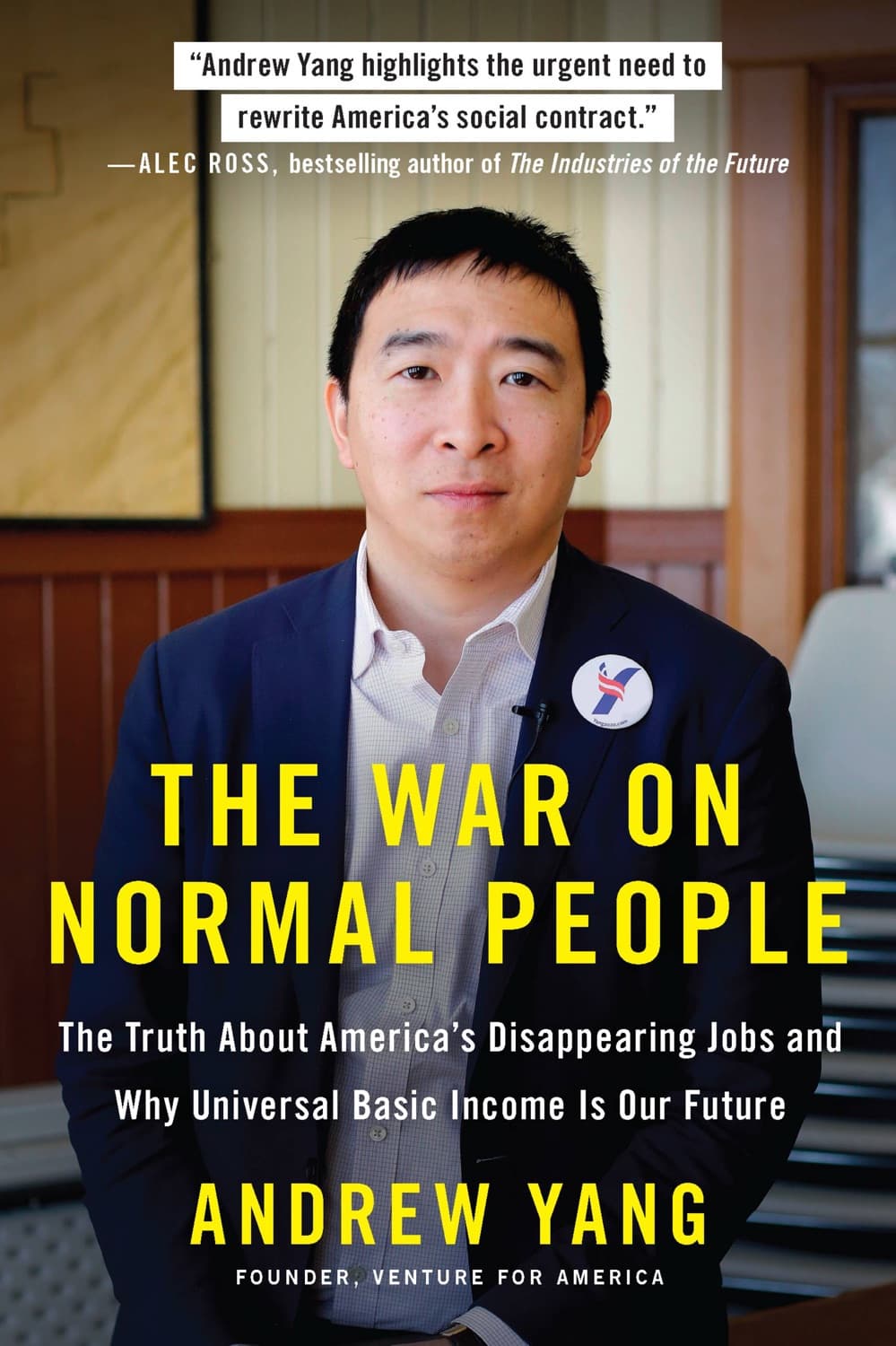
The war on normal people
Andrew Yang
An entrepreneur turned candidate makes the case that automation is already gutting America's most common jobs.
A basic income is offered as automation's backstop.
Andrew Yang argues that retail, trucking, and clerical work are being automated and builds the policy case for a universal basic income. It teaches how the automation debate translates into electoral politics and concrete proposals. For readers who want the future-of-work argument aimed at policy.
Janesville
Amy Goldstein
When the General Motors plant closes, a reporter follows the families of a single Wisconsin town for years.
Retraining rarely replaces what a closed plant took.
Amy Goldstein traces what happens to workers, retraining programs, and a community after deindustrialization arrives in Janesville. It teaches that lost jobs ripple through schools, marriages, and politics long after the layoffs. For readers who want the labor market seen as lived consequence, not aggregate.
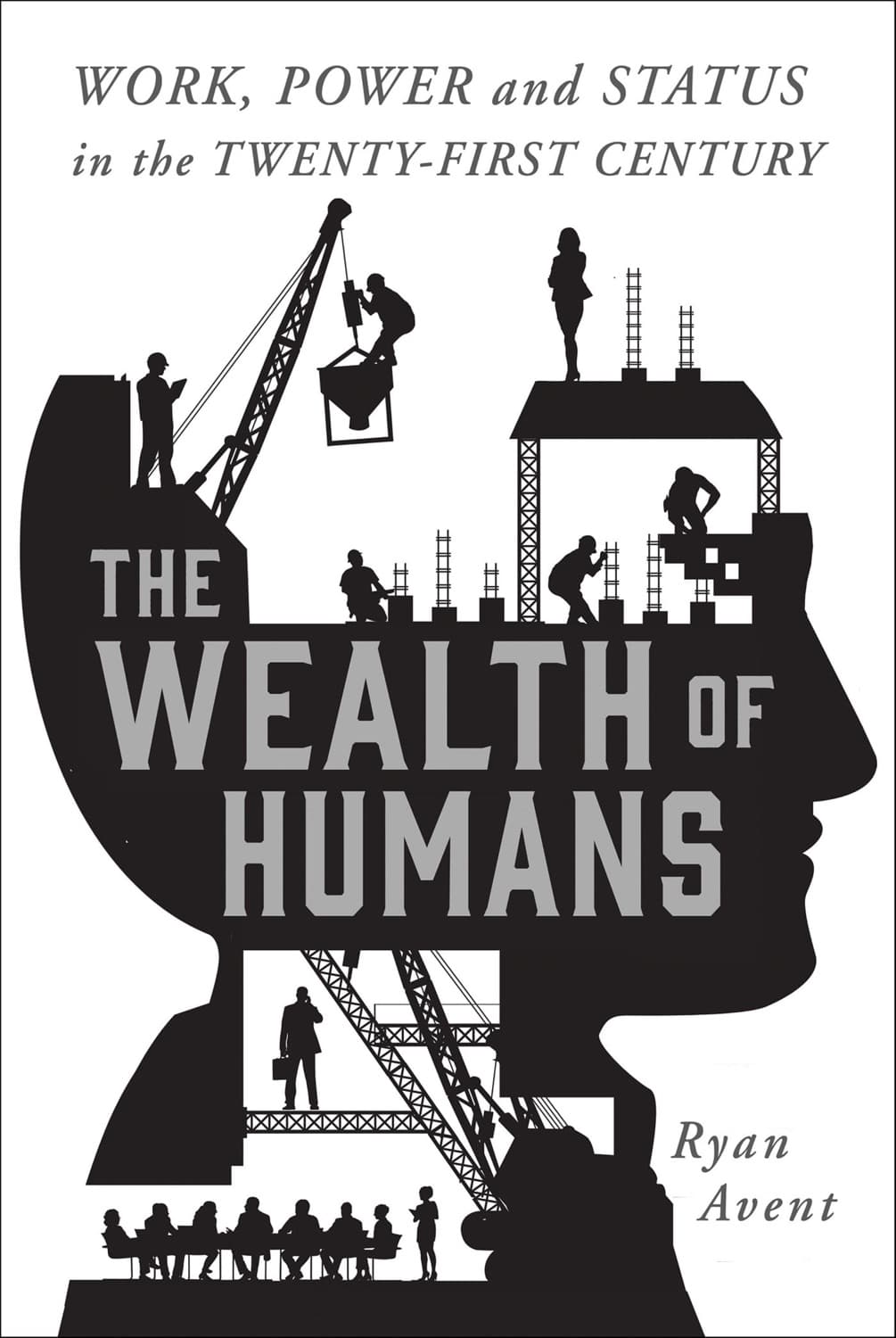
The Wealth of Humans
Ryan Avent
An economics writer argues that the real problem of the coming era may be too much labor, not too little.
Abundant labor, not scarce labor, depresses wages.
Ryan Avent contends that a global glut of workers and cheap automation push down wages and bargaining power. It teaches how labor abundance, not scarcity, shapes wages, status, and who captures the gains. For readers who want an analytical counterpoint to the robots-take-everything story.
Can we tailor this list for you?
Type your question in the bar below and the AI will tailor a fresh set of picks just for you.