Best Books on Pricing
These pricing books share one goal: turning "gut feel" into decisions grounded in value, customer behavior, and profit. You come away with a pricing method you can actually repeat.
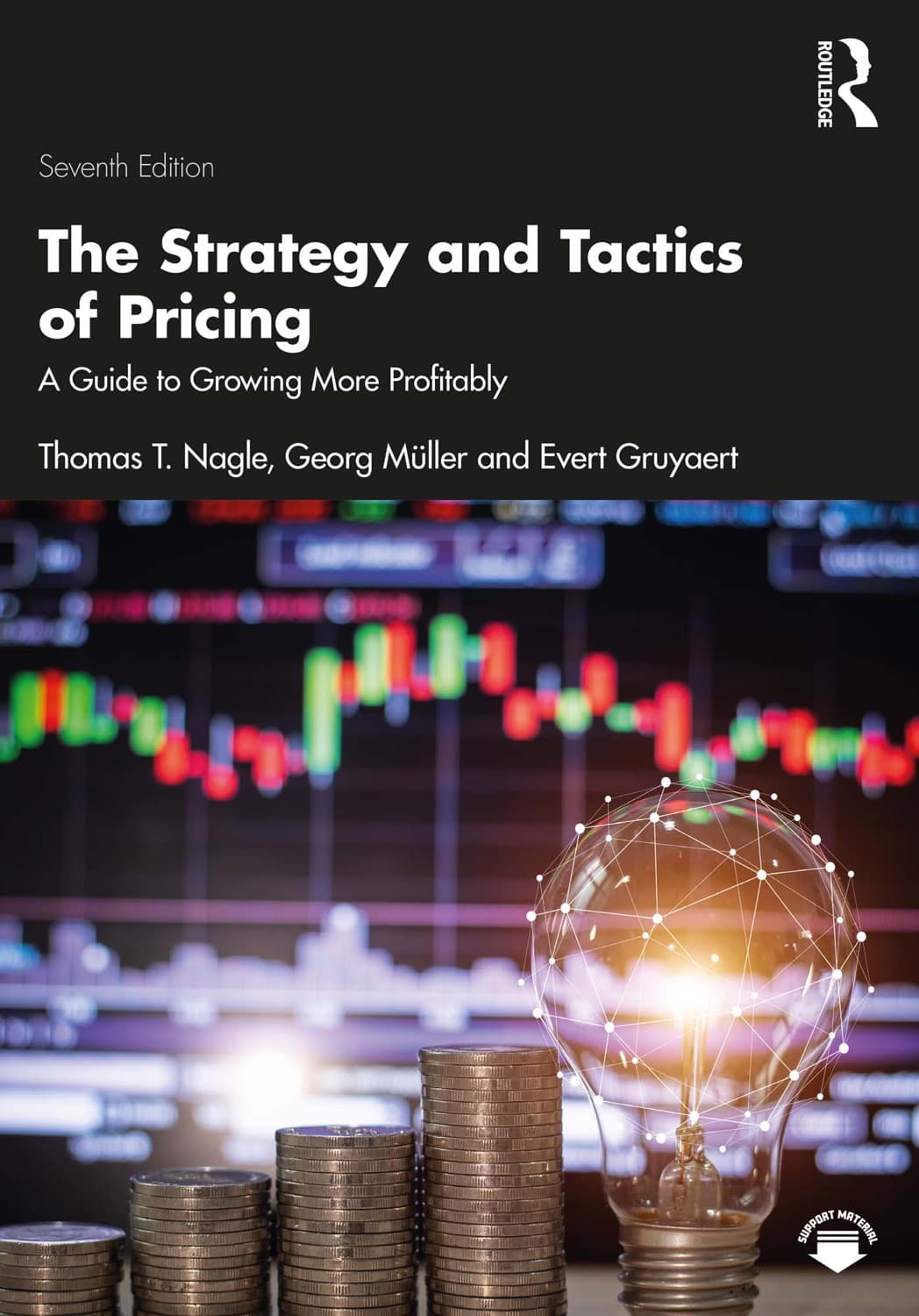
The Strategy and Tactics of Pricing
Thomas T. Nagle, Georg Müller, Evert Gruyaert
You stop treating pricing like a one-time number and start running it like a system: segment value, set price architecture, and manage tradeoffs across channels and contracts.
Map value drivers to segments before setting price.
This book builds a full pricing decision framework that connects customer value, segmentation, and price-setting choices into one logic. That matters for your goals because it replaces improvisation with a defensible process you can reuse when markets, products, or competition shift.
Confessions of the Pricing Man
Hermann Simon
You get pricing thinking distilled from a master of monetization: treat pricing as the engine of business performance, not a back-office adjustment.
Think of pricing as strategy, not accounting.
Simon pairs hard-nosed lessons with concrete viewpoints about how companies underprice, respond to competition, and structure deals. For pricing, it helps you adopt a calmer, more disciplined mindset and avoid common organizational traps that keep prices from improving.
Priceless
William Poundstone
You learn that willingness to pay is often engineered by framing: the same good can sell higher when you change how options and comparisons are presented.
Anchor and decoy effects move price acceptance.
Poundstone explains the psychological forces behind choices and demand signals, giving you practical ways to anticipate how customers interpret price and value. That helps your pricing work because it connects experiments, framing, and observed behavior to what customers will actually pay.
Monetizing Innovation
Madhavan Ramanujam, Georg Tacke
Product innovation fails when teams optimize features while pricing lags behind: this book forces the sequence to flip so monetization starts with customer value.
Monetization starts in product choices, not after launch.
It ties product design and business model decisions directly to how you should price, so pricing is not bolted on later. For your pricing focus, it gives a beginner-friendly path from “what we built” to “what customers will pay for,” with fewer conceptual leaps.
The 1% Windfall
Rafi Mohammed
Small pricing improvements compound: a steady stream of everyday changes can deliver outsized profit gains without redesigning the whole business.
Treat pricing as continuous improvement, not a one-off.
This book emphasizes practical, high-leverage pricing moves that show up in day-to-day operations. It matters if you want progress quickly because it turns pricing into an ongoing improvement habit rather than a rare, high-risk project.
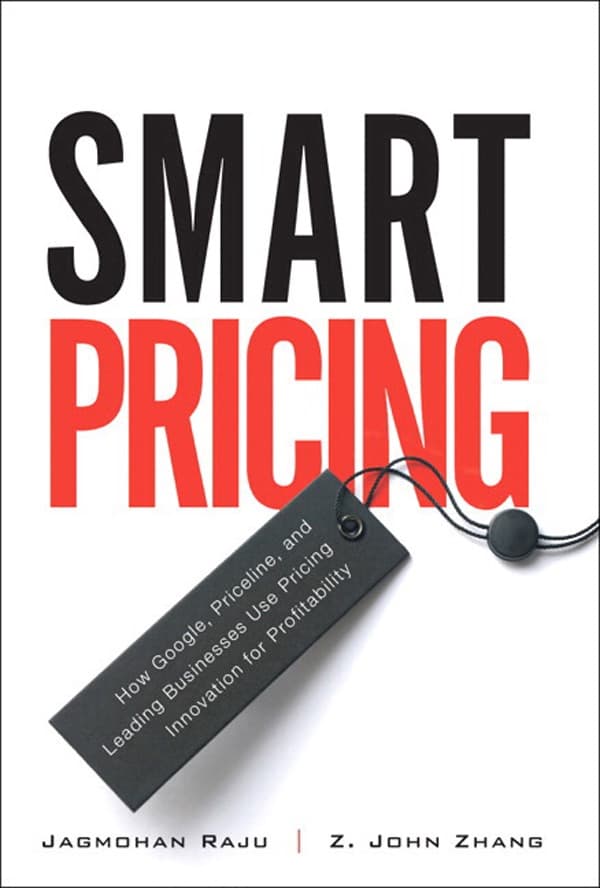
Smart Pricing
Jagmohan Raju
It shows how different pricing tactics fit different situations, so you can justify moves without pretending one method works everywhere.
Choose tactics by context, not habit.
Raju and Zhang offer a clear, case-based way to connect pricing actions to context, constraints, and customer behavior. For pricing, that means you learn when to use tactics like bundling, promotions, and price discrimination, rather than memorizing tricks.
Think of pricing as strategy, not accounting.
Smarter Pricing
Tony Cram
For services, the “list price” illusion breaks: smart pricing comes from structuring offers to align with customer value and risk.
Price service outcomes, not just effort.
Cram brings a service-business lens that highlights how pricing changes when you sell time, expertise, outcomes, or ongoing support. This is useful for your pricing needs because it expands beyond product-style thinking into real-world value delivery.
Why We Buy
Paco Underhill
You can predict purchase triggers by observing how shoppers decide: store and checkout cues shape willingness to pay.
Reduce decision friction to raise price acceptance.
Underhill builds a consumer behavior perspective that helps you see how environment, attention, and decision processes influence buying decisions. For pricing, it matters because it gives you levers beyond the number itself: presentation and choice architecture can raise acceptance and reduce friction.
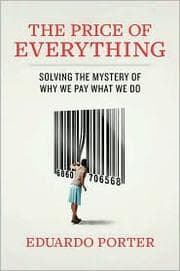
The price of everything
Eduardo Porter
It reframes pricing as a social and economic signal: markets, power, and information all shape what “price” really means beyond cost.
Prices reflect information and power, not just costs.
Porter broadens your understanding of how pricing works in real economies, including tradeoffs and unintended consequences. That matters for pricing because it helps you anticipate how customers and competitors interpret your pricing moves, not just how to compute them.
Implementing Value Pricing
Ronald J. Baker
You stop selling features and start selling the value story: the implementation steps are as important as the pricing model.
Operationalize value pricing with internal alignment.
This book focuses on the service-business reality of turning value pricing into execution, alignment, and measurement. For your pricing goal, it helps you bridge the gap between “we should charge by value” and “here is how we actually roll it out without chaos.”
Can we tailor this list for you?
Type your question in the bar below and the AI will tailor a fresh set of picks just for you.