Best Books on Growth Hacking
Growth hacking runs on experiments, channels, and retention loops, and these books map all three: Sean Ellis and Morgan Brown's Hacking Growth, Gabriel Weinberg and Justin Mares's Traction, and Nir Eyal's Hooked. From acquisition funnels to habit-forming products, the playbook is here.
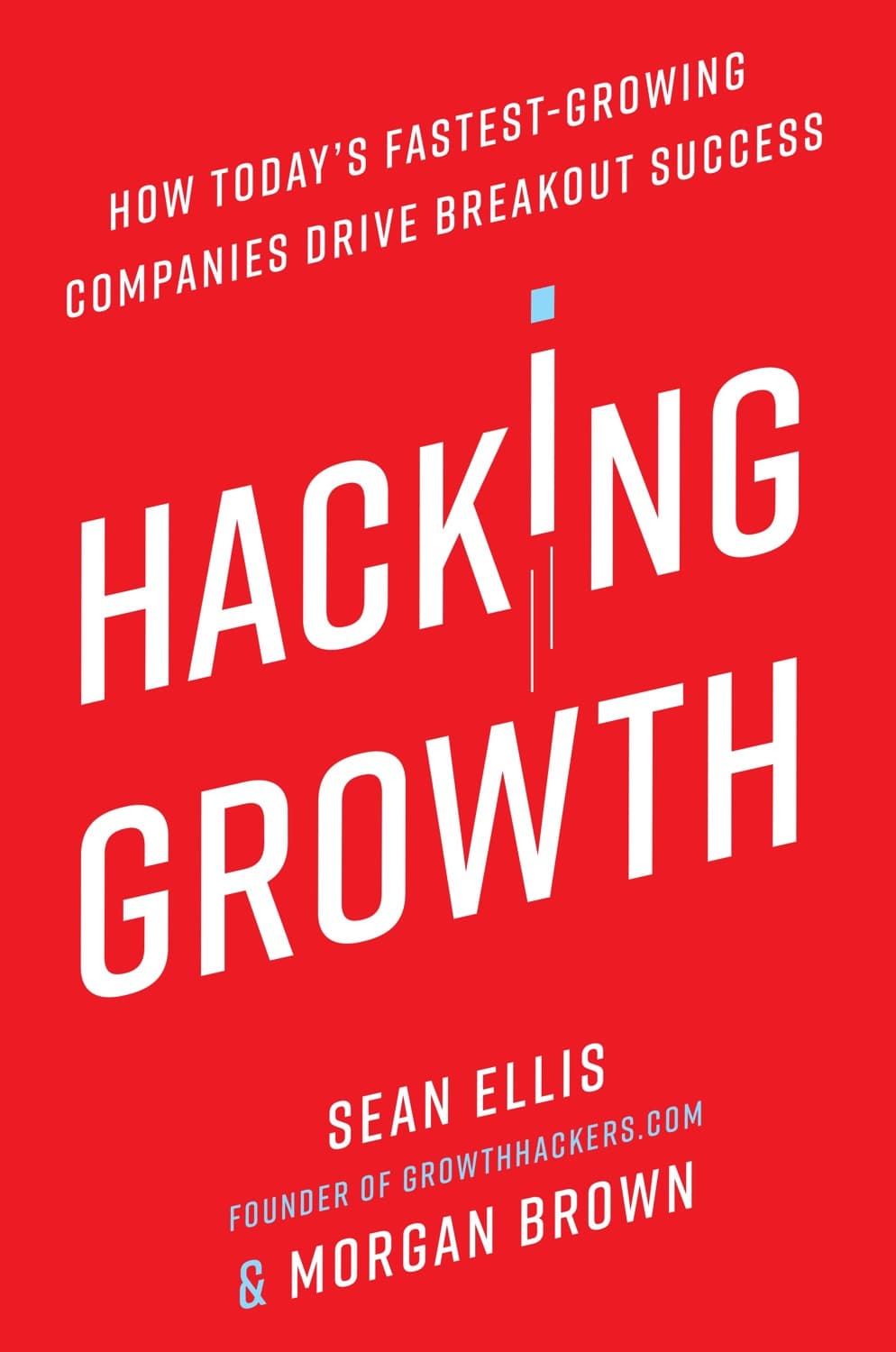
Hacking growth
Sean Ellis
The book that turned a scrappy startup tactic into a repeatable, cross-functional process.
Run high-tempo experiments; let data pick the winners.
Sean Ellis, who coined the term growth hacking, and Morgan Brown lay out the experiment loop used at companies like Dropbox and Airbnb: form a growth team, find your aha moment, and run rapid tests across the funnel. It is for founders and marketers who want a system rather than a bag of tricks.
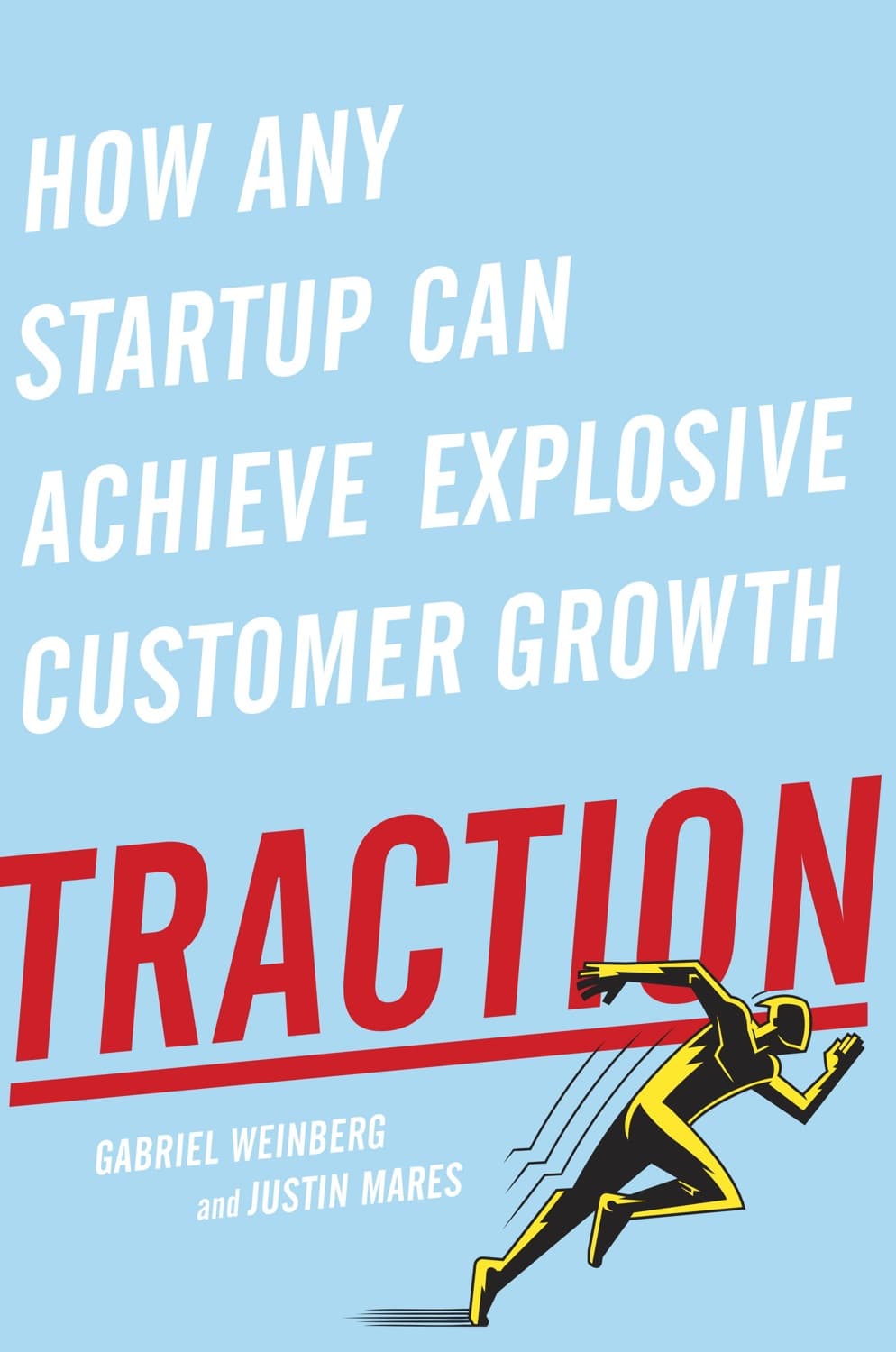
Traction
Gabriel Weinberg, Justin Mares
Nineteen acquisition channels, and a method for finding the one that will actually move your startup.
Test many channels small; double down on what works.
Gabriel Weinberg and Justin Mares catalog every traction channel from SEO to offline events and introduce the Bullseye framework for testing them cheaply in parallel. It suits early founders unsure where their next users will come from.
The Lean Startup
Eric Ries
The discipline behind every growth experiment: build, measure, learn, repeat.
Validate assumptions with real users before scaling.
Eric Ries reframes a startup as a machine for testing assumptions, with validated learning and the minimum viable product at its center. It gives growth work its scientific backbone and is foundational for anyone running experiments on real users.
Lean Analytics
Alistair Croll, Benjamin Yoskovitz
The metrics that tell you whether your growth is real or a vanity mirage.
Pick one metric that matters most right now.
Alistair Croll and Benjamin Yoskovitz walk through the numbers that matter at each stage of a business, from acquisition and activation to retention and revenue, and the one metric that should focus you right now. It is for operators who want to instrument funnels instead of guessing.
Growth Hacker Marketing
Ryan Holiday
A short, blunt primer that introduced growth hacking to a wide audience.
Build growth into the product, not the ad budget.
Ryan Holiday strips the idea down to its essentials: stop spending on traditional advertising and build growth into the product and its distribution. At roughly a hundred pages, it is the fastest way to understand the mindset before going deeper. Best for newcomers and skeptics.
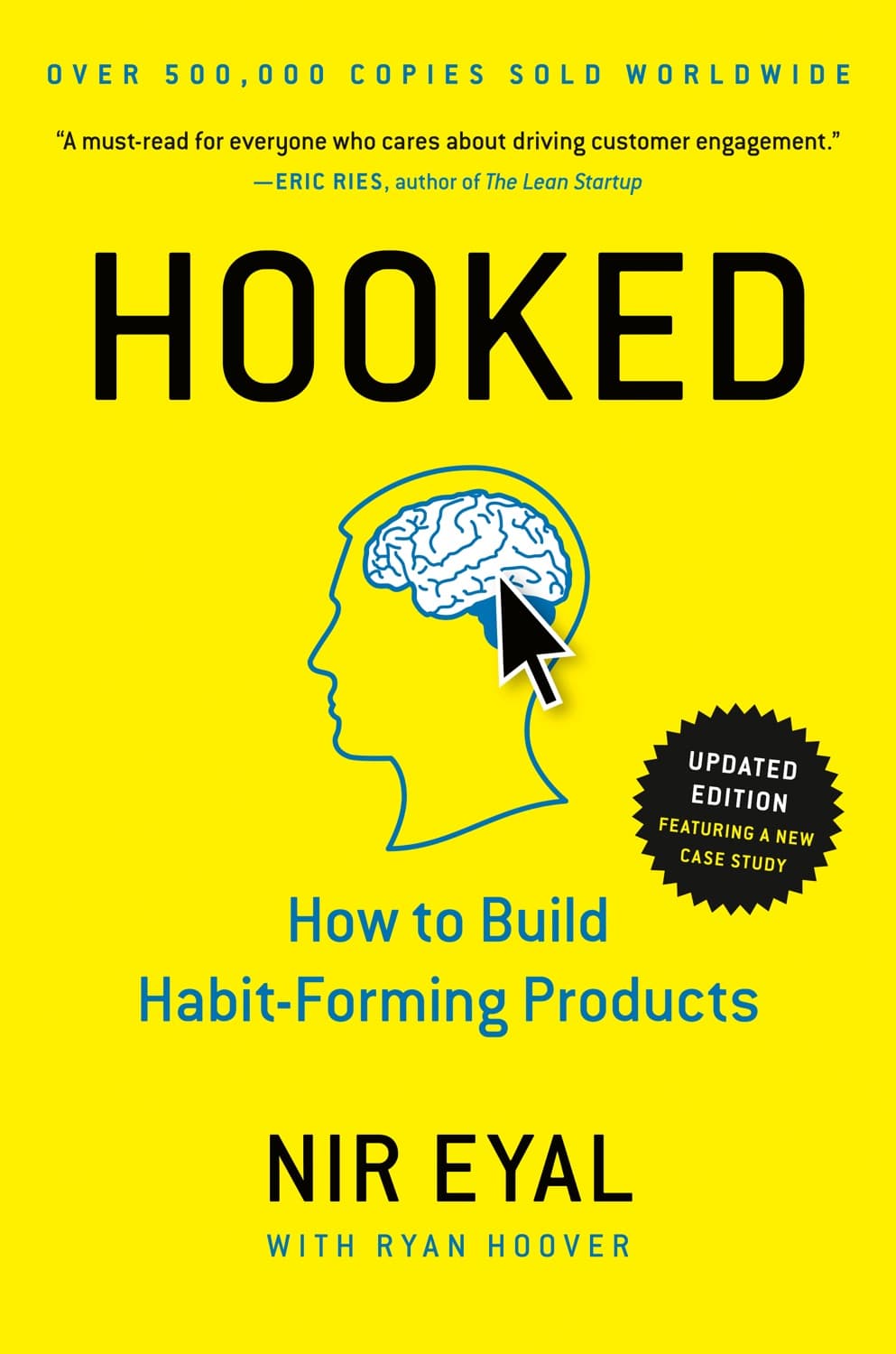
Hooked
Nir Eyal
Why some products become daily habits while others are forgotten by morning.
Variable rewards keep users coming back.
Nir Eyal breaks habit-forming design into a four-step loop of trigger, action, variable reward, and investment. It moves the conversation from acquiring users to keeping them, which is where durable growth actually lives. Essential for product and growth teams focused on retention.
Test many channels small; double down on what works.

Contagious
Jonah Berger
The hidden architecture of why things catch on and spread by word of mouth.
Make it shareable; social currency drives word of mouth.
Jonah Berger, a marketing professor at Wharton, distills the research into six principles, captured in his STEPPS framework, that make content and products contagious. It gives growth marketers a grounded model for virality instead of hoping for luck. Useful for anyone chasing organic, referral-driven acquisition.
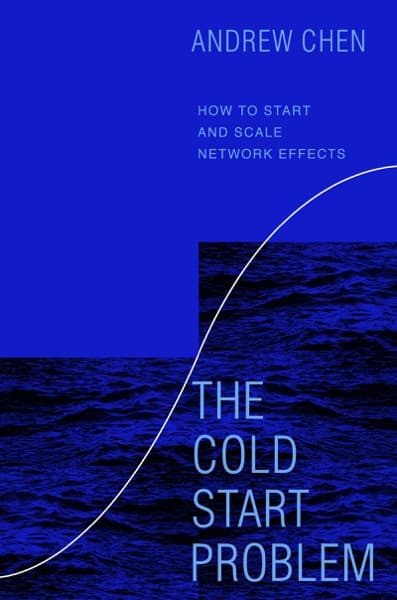
The Cold Start Problem
Andrew Chen
Network-effect products are the hardest to start and the hardest to stop.
Solve the empty network with a small atomic group.
Andrew Chen, a general partner at Andreessen Horowitz, explains how products that rely on other users overcome an empty room to reach a tipping point, and how those network effects sustain or stall growth. It is for founders building marketplaces, social apps, and platforms.
Can we tailor this list for you?
Type your question in the bar below and the AI will tailor a fresh set of picks just for you.