Best Books for Aspiring CMOs
Marketing leadership runs on positioning, brand evidence, and persuasion. Ries and Trout map how minds rank brands, Byron Sharp brings the data on how brands actually grow, and April Dunford turns positioning into a repeatable practice.
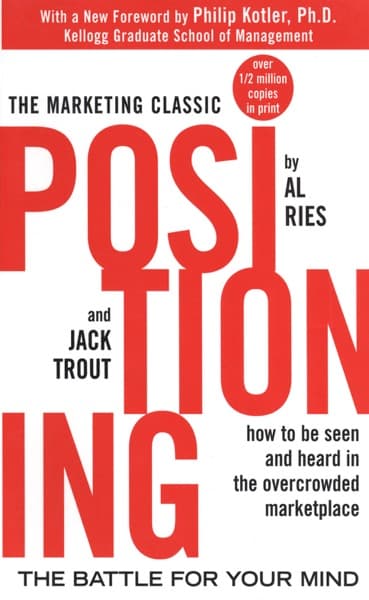
Positioning
Al Ries, Jack Trout
The book that reframed marketing as a battle fought inside the customer's head, not in the product itself.
Own one word in the customer's mind.
Al Ries and Jack Trout argue that customers hold a mental ladder for every category, and a brand wins by claiming a clear, ownable rung. It teaches CMOs to compete on perception and focus, which is the foundation most modern positioning work still builds on.
Obviously Awesome
April Dunford
Positioning treated as a workshop you can run, not a flash of inspiration.
Position against the right competitive alternative.
April Dunford lays out a step-by-step method for finding the context in which your product is obviously the best choice. It's for marketing leaders who need to align a team on positioning and ship messaging that lands, especially in B2B and tech.
How Brands Grow
Jenni Romaniuk, Byron Sharp, Professor of Marketing Science and Director of the Ehrenberg-Bass Institute Byron Sharp
What decades of marketing-science data say about how brands actually grow, which often contradicts the strategy deck.
Reach light buyers; build mental availability.
Byron Sharp and Jenni Romaniuk make an evidence-based case that growth comes from reaching many light buyers and building mental and physical availability, not from chasing loyalty. It's for CMOs who want their brand plans grounded in measured patterns rather than folklore.
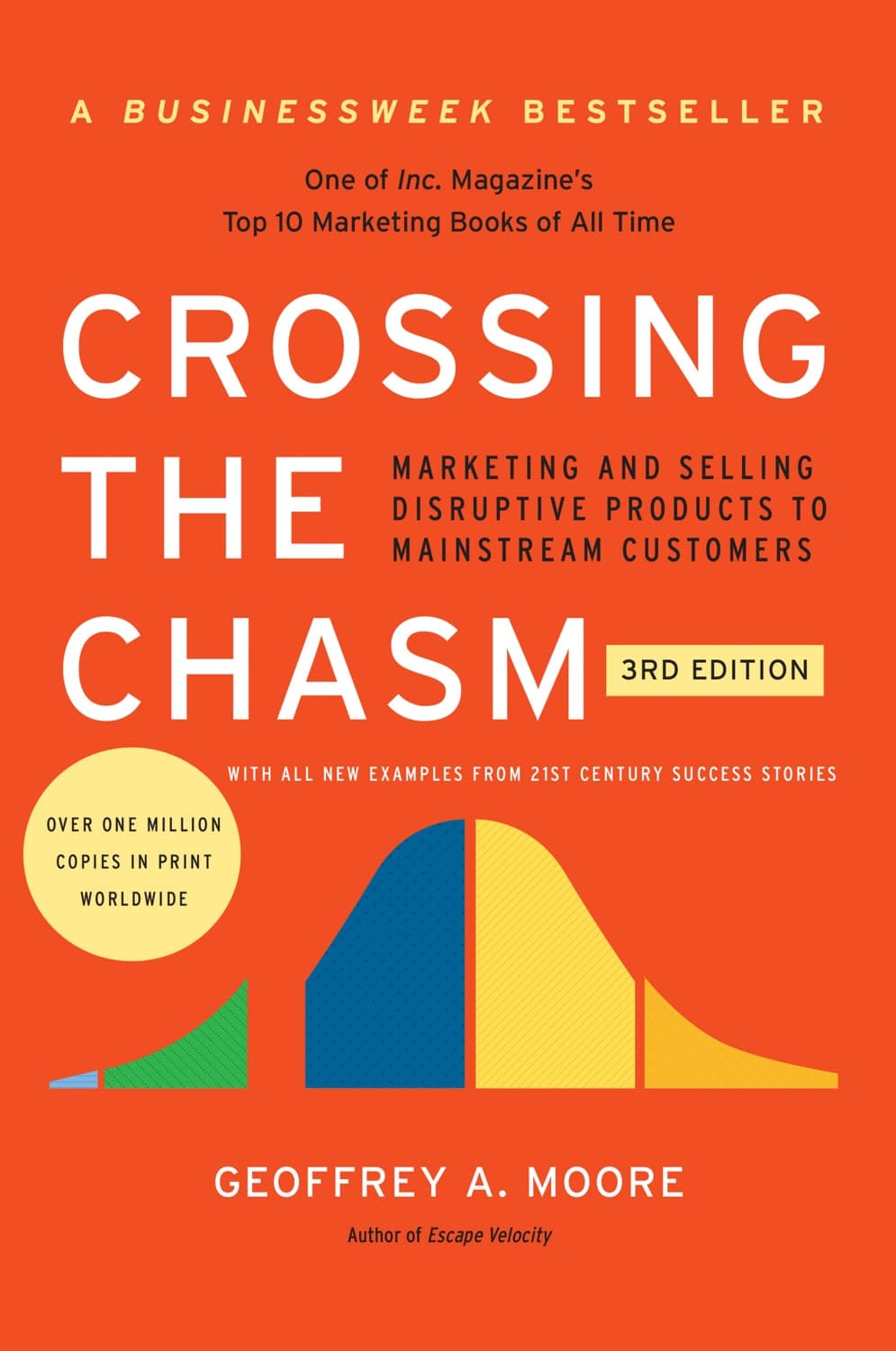
Crossing the Chasm
Geoffrey A. Moore
Why products that delight early adopters so often stall before the mainstream ever notices.
Win one beachhead segment first.
Geoffrey A. Moore explains the gap between visionary early buyers and pragmatic mainstream customers, and how to cross it with a focused beachhead. It's essential for marketing leaders in technology and growth-stage companies steering a product toward scale.
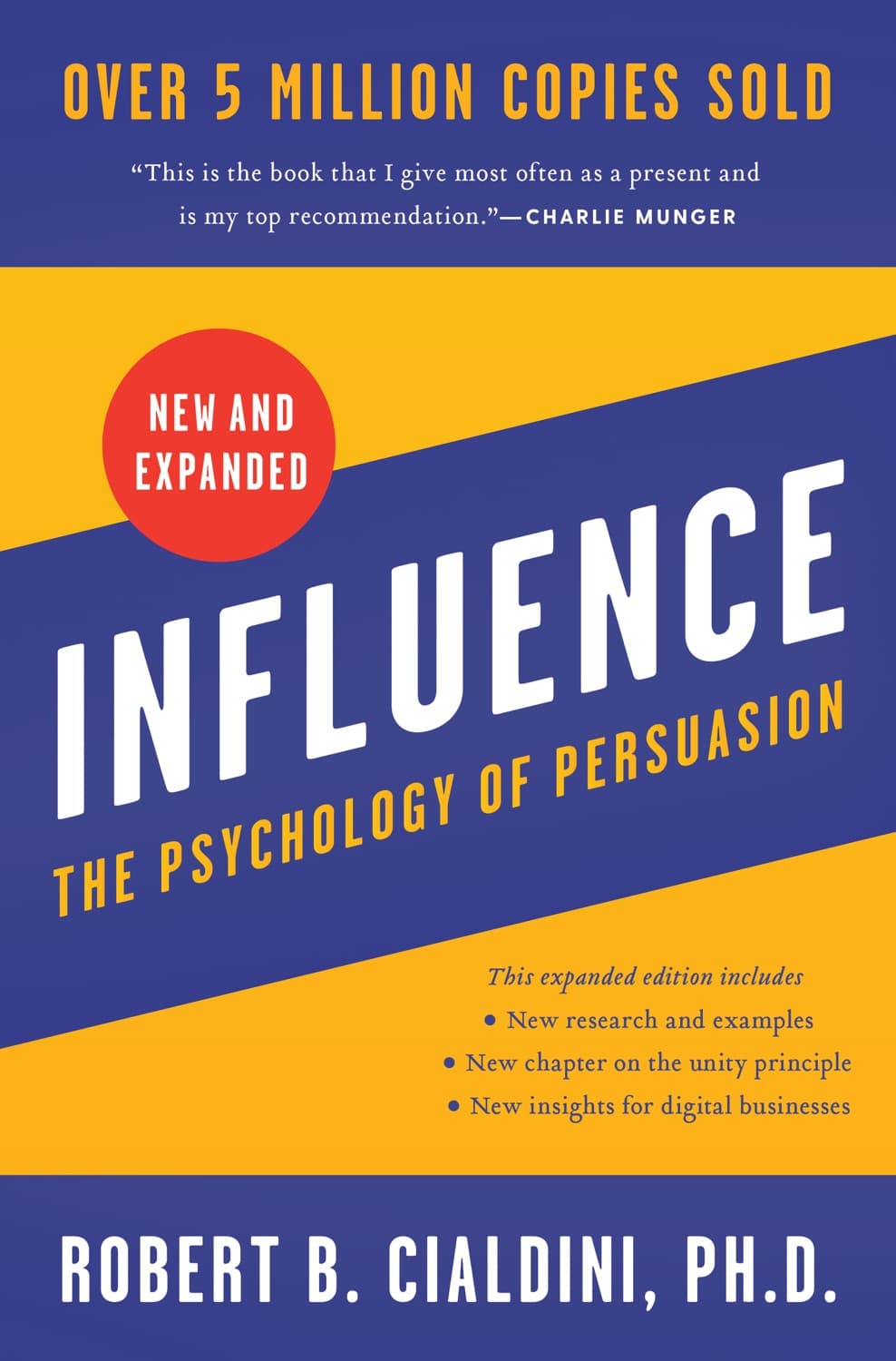
Influence
Robert B. Cialdini
The research behind why people say yes, distilled into principles you'll recognize everywhere afterward.
Social proof and scarcity drive action.
Robert B. Cialdini lays out the levers of persuasion, including reciprocity, social proof, and scarcity, drawn from his research on influence. It gives marketing leaders an honest framework for shaping campaigns, pricing, and messaging that move behavior.
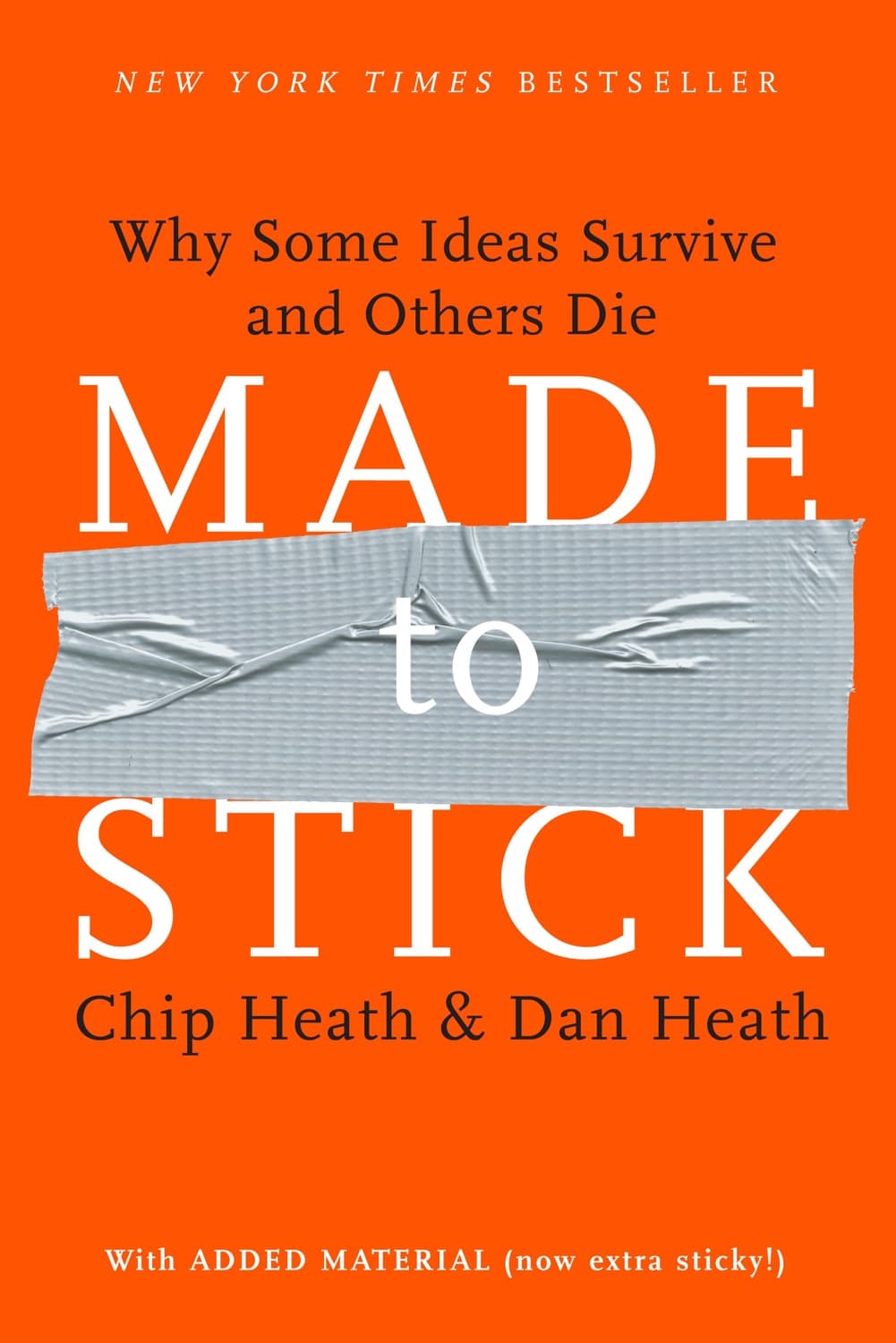
Made to Stick
Chip Heath
Why some ideas lodge in memory while better ones evaporate, and what makes the difference.
Concrete, unexpected ideas get remembered.
Chip Heath and Dan Heath identify the traits of sticky ideas, from concreteness to unexpectedness to story. It's a practical toolkit for CMOs who need messaging, positioning, and internal pitches that people actually remember and repeat.
Position against the right competitive alternative.

Contagious
Jonah Berger
A look at the mechanics of word of mouth, treated as engineering rather than luck.
Build sharing triggers into the product.
Jonah Berger breaks down why content and products get shared, organizing the drivers into a usable framework. It's for marketing leaders who want to design campaigns and products that spread on their own instead of relying solely on paid reach.
This is marketing
Seth Godin
Marketing reframed as serving a specific group of people you choose to change.
Serve the smallest viable audience.
Seth Godin makes the case for marketing built on empathy, positioning for the smallest viable audience, and earning trust over time. It's a strategic reset for leaders tempted to chase everyone, and a clear statement of modern, permission-based marketing.
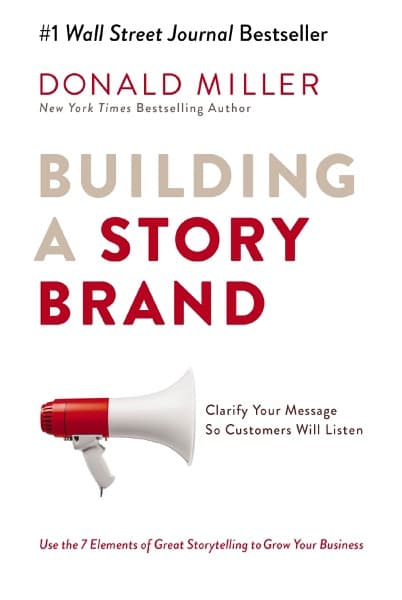
Building a Storybrand
Donald Miller
A repeatable formula for making the customer, not the company, the hero of the message.
Make the customer the hero.
Donald Miller adapts classic story structure into a framework for clarifying what a brand says about itself. It's for marketing leaders who need to fix muddled websites and messaging fast and get a whole team writing with one clear voice.
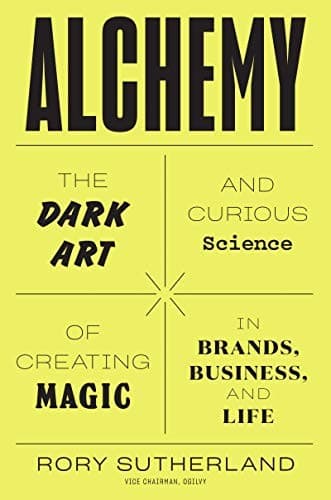
Alchemy
Rory Sutherland
An advertising veteran's argument for the value that logic and spreadsheets routinely miss.
The opposite of a good idea can also work.
Rory Sutherland draws on behavioral science to show why seemingly irrational choices often carry real psychological value, and why marketers should test the counterintuitive. It's a provoking read for CMOs who want to escape purely rational, optimization-driven thinking.
Can we tailor this list for you?
Type your question in the bar below and the AI will tailor a fresh set of picks just for you.