- 1. The Anatomy of Ambition: The Great Gatsby by F. Scott Fitzgerald
- 2. The Logic of the Unpredictable: The Idiot by Fyodor Dostoevsky
- 3. The Management of Decay: The Leopard by Giuseppe Tomasi di Lampedusa
- 4. The Architecture of Hubris: Moby-Dick by Herman Melville
- 5. The Psychology of the Frontier: The Old Man and the Sea by Ernest Hemingway
- The Synthesis: Why Prose is the Ultimate Competitive Advantage
In an era where "Strategic Thinking" has been reduced to a series of optimized prompts and data points, we have forgotten that the most complex systems in the world are not silicon-based: they are human. You can memorize every framework from McKinsey, but if you don't understand the irrationality of ambition, the fragility of ego, or the mechanics of a slow-motion collapse, you are operating with a blindfold.
The most sophisticated minds in the world, from Nassim Taleb to the architects of global venture capital, rarely find their deepest insights in the business section. They find them in fiction. Literature is the ultimate simulator: it allows you to run "high-fidelity" stress tests on human nature without the real-world consequences.
If you want to understand the plumbing of power, the volatility of markets, or the sheer weight of responsibility, these five masterpieces offer a competitive advantage that no strategy book can match.
1. The Anatomy of Ambition: The Great Gatsby by F. Scott Fitzgerald
Most people read this in high school as a story of unrequited love. They are wrong. It is actually the most profound study of "Status Competition" and "Brand Architecture" ever written.
The Strategic Lens: Jay Gatsby is the original "Vaporware" founder. He understood that in a world of new money, the narrative is more valuable than the asset. Fitzgerald maps the brutal reality of social mobility and the chokepoints of old-guard establishment. For anyone navigating the high-stakes world of modern influence, Gatsby is a cautionary tale about the cost of building an empire on a "green light" that doesn't belong to you.
2. The Logic of the Unpredictable: The Idiot by Fyodor Dostoevsky
If you want to understand "Fat Tails" and "Black Swans" in human behavior, Dostoevsky is your guide.
The Strategic Lens: Prince Myshkin, the "Idiot," is a character who operates with total transparency in a world of strategic deception. His presence acts as a "Systemic Shock" to the social fabric of St. Petersburg. Watching how the surrounding characters, each a master of their own small game, react to his honesty is a masterclass in game theory. It teaches you that the most dangerous variable in any strategic plan is the person who refuses to play by the established rules.
3. The Management of Decay: The Leopard by Giuseppe Tomasi di Lampedusa
The Audible Recommendation: This is a lush, atmospheric, and deeply philosophical novel that is best consumed slowly. The audio version, with its rhythmic prose, allows the gravity of its central theme to truly sink in.
The Strategic Lens: Set during the unification of Italy, it follows an aging Prince who realizes his world is dying. Its most famous line is the ultimate strategic axiom: "If we want things to stay as they are, things will have to change." It is the definitive study of Adaptation. It teaches you how to manage a transition, how to preserve the "Core" while sacrificing the "Periphery," and how to maintain authority during a paradigm shift.

4. The Architecture of Hubris: Moby-Dick by Herman Melville
Forget the whale. This is a manual on Executive Burnout and the danger of "Mission Creep."
The Strategic Lens: Captain Ahab is a CEO who has lost sight of the "P&L" (the whaling mission) in favor of a personal vendetta. He uses his charisma to lead an entire organization into a "Sunk Cost Fallacy" of epic proportions. In the modern tech ecosystem, Ahab is the founder who refuses to admit a lack of Product-Market Fit, obsessively chasing a "White Whale" feature or market segment while the company's runway disappears. Melville's detailed descriptions of the whaling industry serve as a metaphor for the operational complexity of any massive enterprise: a haunting look at what happens when a leader's vision becomes a destructive obsession.
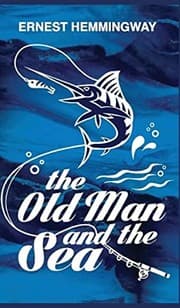
5. The Psychology of the Frontier: The Old Man and the Sea by Ernest Hemingway
Hemingway's prose is famously lean, much like a well-optimized system. But beneath the surface is a brutal look at Resilience and the reality of the "Long Tail."
The Strategic Lens: The old man's struggle with the marlin is a study in "Deep Work." It is about the lonely, grueling effort required to capture a significant "Market Prize" and the subsequent struggle to bring it home before the "sharks": the competitors and market forces: tear it apart. It reminds the strategist that winning the battle is only half the game: protecting the win is where the real struggle begins.
The Synthesis: Why Prose is the Ultimate Competitive Advantage
The strategist who only reads non-fiction is limited to the "Visible Spectrum" of logic. But the world doesn't operate on logic alone: it operates on fear, desire, and the messy, non-linear patterns of history.
By integrating these masterpieces into your library, you aren't just reading stories. You are building a Cognitive Map of the human condition. You are learning to see the "Ghosts" in the machine of global power.
Next time you face a crisis of leadership or a shift in the market, don't reach for a consultant's report. Reach for a novel. The answers have been there for centuries.
What fiction books should strategists read?
The Great Gatsby, The Idiot, The Leopard, Moby-Dick, and The Old Man and the Sea are the five books here. Each one maps a different strategic failure or pressure point: status, unpredictability, adaptation, hubris, and resilience.
Which book is best for understanding ambition and status?
The Great Gatsby is the best fit. It shows how image can outrun substance, and how social climbing becomes self-destruction when the goal is built on fantasy.
Which of these books is best for leadership and decision-making?
The Leopard is the smartest pick for leadership during change. Moby-Dick is the warning label: it shows what happens when a leader turns purpose into obsession and drags the whole organization with him.
Books mentioned in this article

Want more books like these?
Tell us what you're in the mood for and get 3 perfect picks.
Discover your next read→