- The Incentives of Being Right
- The Architecture of Collective Intelligence
- Why Experts Fail and Markets Win
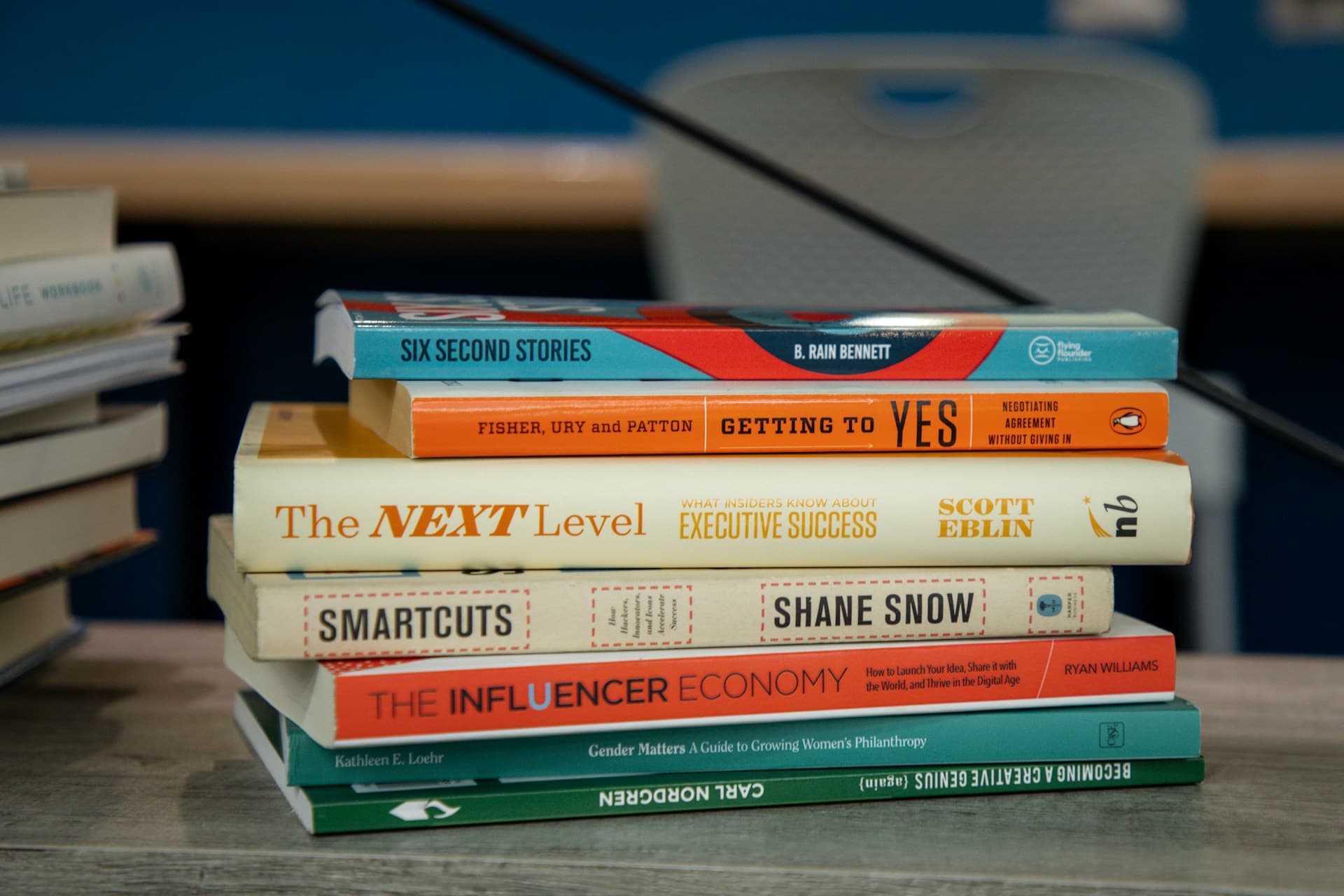
- The Essential Reading List for the Forecasting Professional
- The Wisdom of Crowds by James Surowiecki
- Superforecasting by Philip E. Tetlock and Dan Gardner
- Infotopia: How Many Minds Produce Knowledge by Cass R. Sunstein
- The Signal and the Noiseby Nate Silver
- Key Takeaways for the Strategic Mind
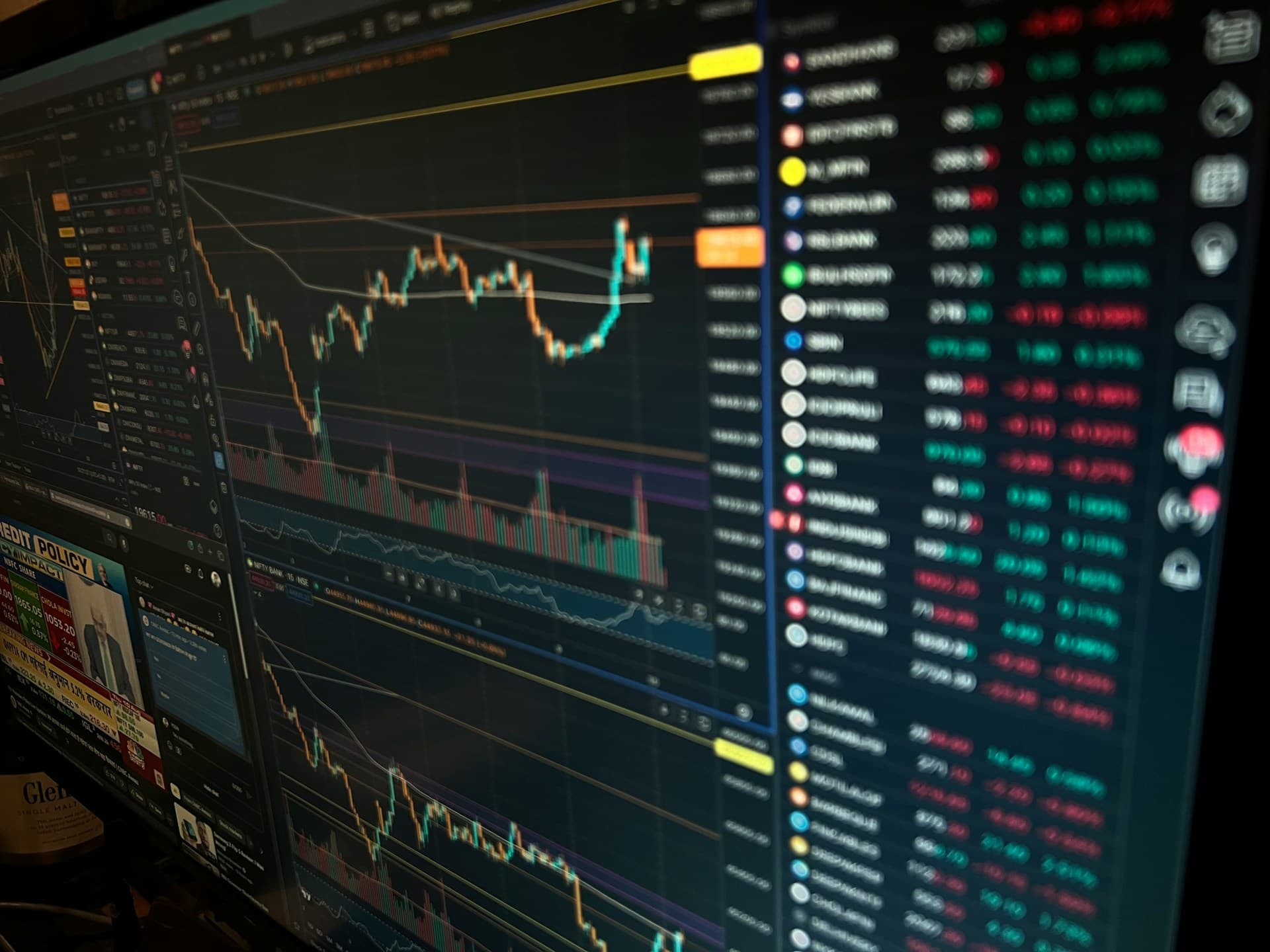
In 2024, as the world watched the United States election cycle, a curious divergence emerged between traditional television pundits and a decentralized platform called Polymarket. While pollsters spoke of "statistical dead heats" and "too close to call" scenarios, the market was shouting a different story. By early 2026, this "truth machine" has moved from the fringes of crypto-anarchy to the center of global finance. Polymarket, now valued at $9 billion following a massive $2 billion investment from the Intercontinental Exchange (ICE), has proven that when people have skin in the game, the signal beats the noise. This article explores the phenomenon of event contracts and provides the essential reading list required to master this high-stakes discipline.
The Incentives of Being Right
We often treat predictions as mere opinions, but in a market, a prediction is a price. If you are wrong, you lose money. If you are right, you take it from someone who was wrong. This brutal accountability creates an environment that strips away the performative nonsense often found in corporate boardrooms. Whether it is the $529 million wagered on the 2026 World Cup or the highly controversial contracts regarding the Strait of Hormuz crisis, these platforms aggregate "latent" information that experts simply cannot access.
The following books are not just theoretical texts. They are blueprints for understanding how to leverage collective intelligence and avoid the cognitive traps that lead to expensive failures.
The Architecture of Collective Intelligence
The magic of a prediction market lies in its ability to bypass traditional hierarchies. Imagine a logistics firm trying to predict a strike. The executive suite might rely on optimistic internal reports, but the drivers on the ground already know the mood of the union. In a traditional company, this data is buried. In an internal market, those drivers can bet on the outcome, surfacing the truth through the price.
Prediction markets have expanded far beyond politics. Today, you can trade on the likelihood of a U.S. government shutdown, the timing of a Federal Reserve interest rate cut, or even bizarre pop culture events like celebrity breakups and movie opening weekends. Platforms like Kalshi, which processed over $208 million in wagers during the 2025 March Madness tournament, have brought this "betting on reality" into the regulated mainstream.
Ethical Disclaimer: As of 2026, the regulatory landscape for event contracts remains a patchwork of federal licenses and state-level challenges. While these markets offer immense utility for hedging risk, they involve significant financial peril. Wagers on sensitive geopolitical events or human life (such as the 2026 "out as leader" markets) carry heavy moral and legal implications. Always consult local regulations before participating.
Why Experts Fail and Markets Win
The failure of the traditional expert is rarely a matter of IQ. Instead, it is a failure of incentives. A television analyst is incentivized to be entertaining and bold, not necessarily accurate. If they are wrong, there is no professional cost. In fact, research suggests that the more famous an expert is, the less accurate their forecasts tend to be. They become "hedgehogs" who try to fit the entire world into one big idea.
Markets, by contrast, are composed of "foxes." These are individuals who use many small ideas, update their beliefs constantly, and have no loyalty to a single narrative. They are the ultimate practitioners of intellectual arbitrage.
The Essential Reading List for the Forecasting Professional
To navigate this landscape, you must understand the psychological and mathematical foundations of collective belief.
The Wisdom of Crowds by James Surowiecki
The Hook: A classic study on why a group of average people is consistently smarter than a single genius.
The Why: In The Wisdom of Crowds, James Surowiecki explores how decentralization and diversity of opinion create a "super-intelligence." He uses the historical example of Francis Galton at a 1906 country fair, where 800 people guessed the weight of an ox. While no individual got it right, the average of their guesses was within one pound of the truth.
The Golden Nugget: For a crowd to be "wise" it must be independent. If participants begin to influence one another, the market collapses into a "social cascade" or a bubble.
Superforecasting by Philip E. Tetlock and Dan Gardner
The Hook: The definitive guide to the habits of people who actually get the future right.
The Why: Philip E. Tetlock and Dan Gardner's Superforecasting: The Art and Science of Prediction is the bridge between theory and practice. Tetlock details his "Good Judgment Project," where ordinary citizens consistently beat CIA analysts and market prices by using specific mental tools.
The Golden Nugget: Accuracy is a skill that can be learned. The best forecasters are "actively open-minded," meaning they treat their own beliefs as hypotheses to be tested rather than identities to be defended.
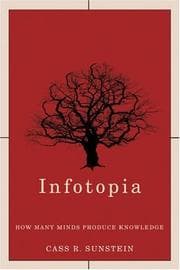
Infotopia: How Many Minds Produce Knowledge by Cass R. Sunstein
The Hook: A deep dive into how many minds produce knowledge in the digital age.
The Why: In Infotopia: How Many Minds Produce Knowledge, Cass R. Sunstein (a legal scholar and co-author of Nudge) examines the specific design flaws that make groups fail. He provides a sophisticated look at how prediction markets serve as an antidote to "groupthink" in government and corporate settings.
The Golden Nugget: High-stakes decisions often fail because of "reputational pressure," where subordinates agree with a leader to protect their careers. Markets solve this by allowing for anonymous, profit-motivated dissent.
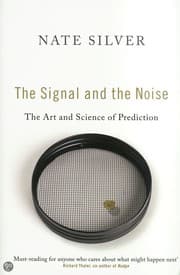
The Signal and the Noiseby Nate Silver
The Hook: A masterclass in distinguishing real signals from the noise of modern data.
The Why: Nate Silver's The Signal and the Noise is essential for understanding the mathematics of probability. As an advisor to Polymarket, Silver has spent his career proving that the most successful forecasters are those who embrace uncertainty and update their models based on new evidence.
The Golden Nugget: Most "data" is actually noise. To find the signal, you must focus on the underlying causal mechanisms rather than the superficial patterns.
Key Takeaways for the Strategic Mind
Skin in the Game - This is the ultimate filter. It eliminates "cheap talk" and ensures that only those with high-conviction information move the price. If you aren't willing to lose money on your opinion, you don't actually believe it.
Cognitive Diversity - Markets thrive when participants have different backgrounds, data sources, and biases. A room full of Ivy League MBAs will often fall for the same blind spots, whereas a global market aggregates a truly diverse set of risks.
Bayesian Updating - The most successful traders do not "hold" their opinions. They use a process of constant adjustment. When new information arrives (like the 2026 Strait of Hormuz developments), they immediately recalibrate their probability estimates.
Information Arbitrage - Profit in prediction markets comes from finding where the consensus (the market price) differs from reality. This requires a level of independent thinking that is rare in traditional media environments.
Prediction markets are more than just a way to wager on sports or elections. They are a window into the collective soul of humanity, reflecting our fears and our knowledge in real time. By studying the literature behind them, you aren't just learning about markets: you are learning how to see the world as it actually is, rather than how you wish it to be.
[Discover more curated lists at bookstoread.ai]
What is the best book to learn prediction markets?
Superforecasting: The Art and Science of Prediction is the best starting point because it shows how good forecasters actually think and revise probabilities. Pair it with The Wisdom of Crowds if you want the group-dynamics side.
Which book explains why crowds can be smarter than experts?
The Wisdom of Crowds is the clearest answer. It explains why independent judgments can beat elite experts, and why that breaks down when people start copying each other.
What book should I read for the psychology of forecasting and bias?
Infotopia: How Many Minds Produce Knowledge is the sharpest book here on group failure, reputational pressure, and why institutions get prediction wrong. For the probability side, The Signal and the Noise is the better follow-up.
Books mentioned in this article

Superforecasting: The Art and Science of Prediction
Philip E. Tetlock and Dan Gardner
Want more books like these?
Tell us what you're in the mood for and get 3 perfect picks.
Discover your next read→