Best Books on Political Revolutions
Political revolutions follow patterns, and these books trace them. Hannah Arendt asks what the American and French revolutions meant, Theda Skocpol compares France, Russia, and China, and Orlando Figes and Simon Schama tell the stories in full.
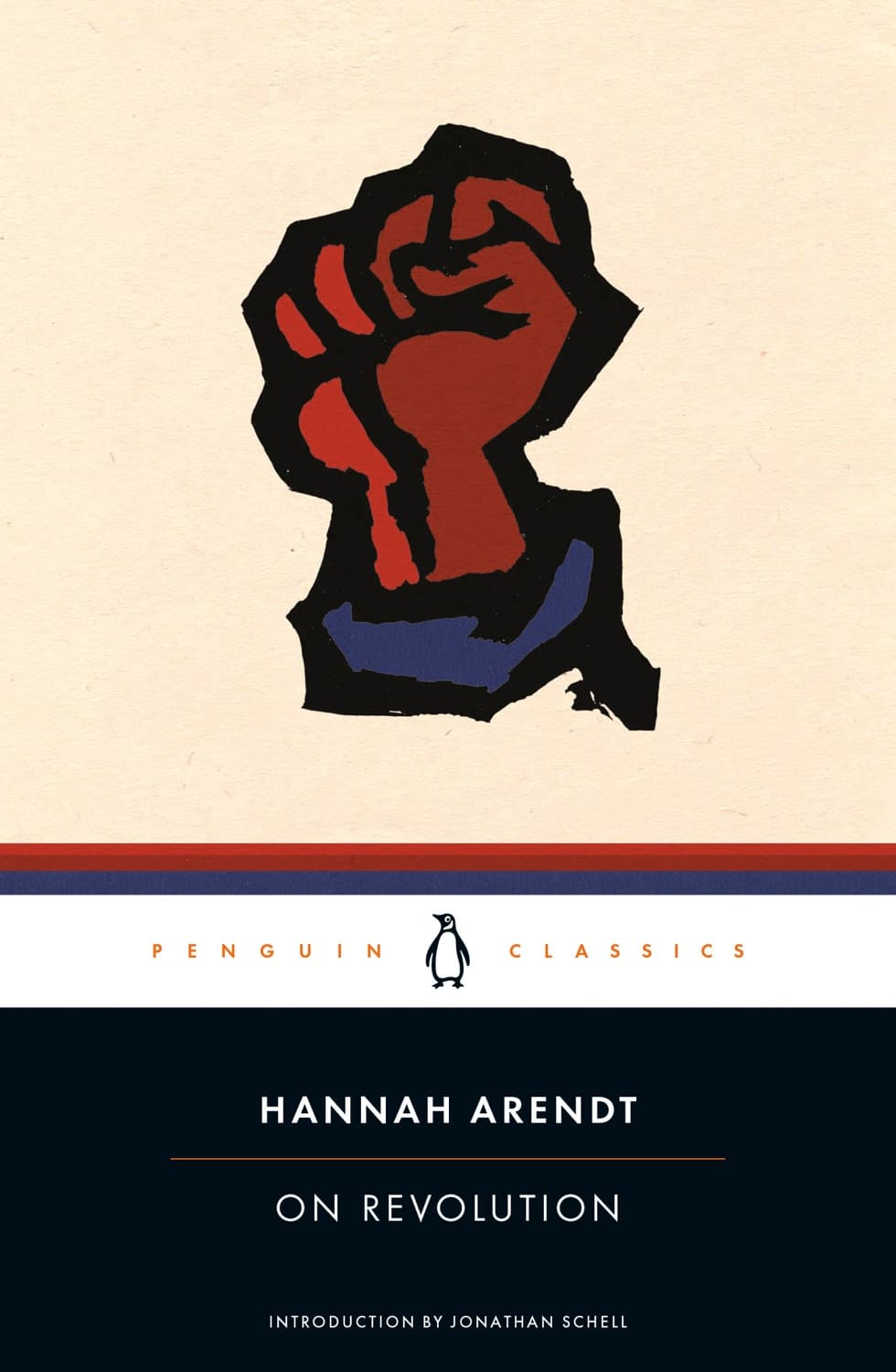
On revolution
Hannah Arendt
Why did the American Revolution last and the French one consume itself?
Founding freedom matters more than overthrowing power.
Arendt contrasts the two foundings to ask what makes a revolution build a durable free republic instead of collapsing into terror. She argues the American focus on founding institutions diverged from the French preoccupation with poverty and the people. It's for readers who want political philosophy, not just narrative.
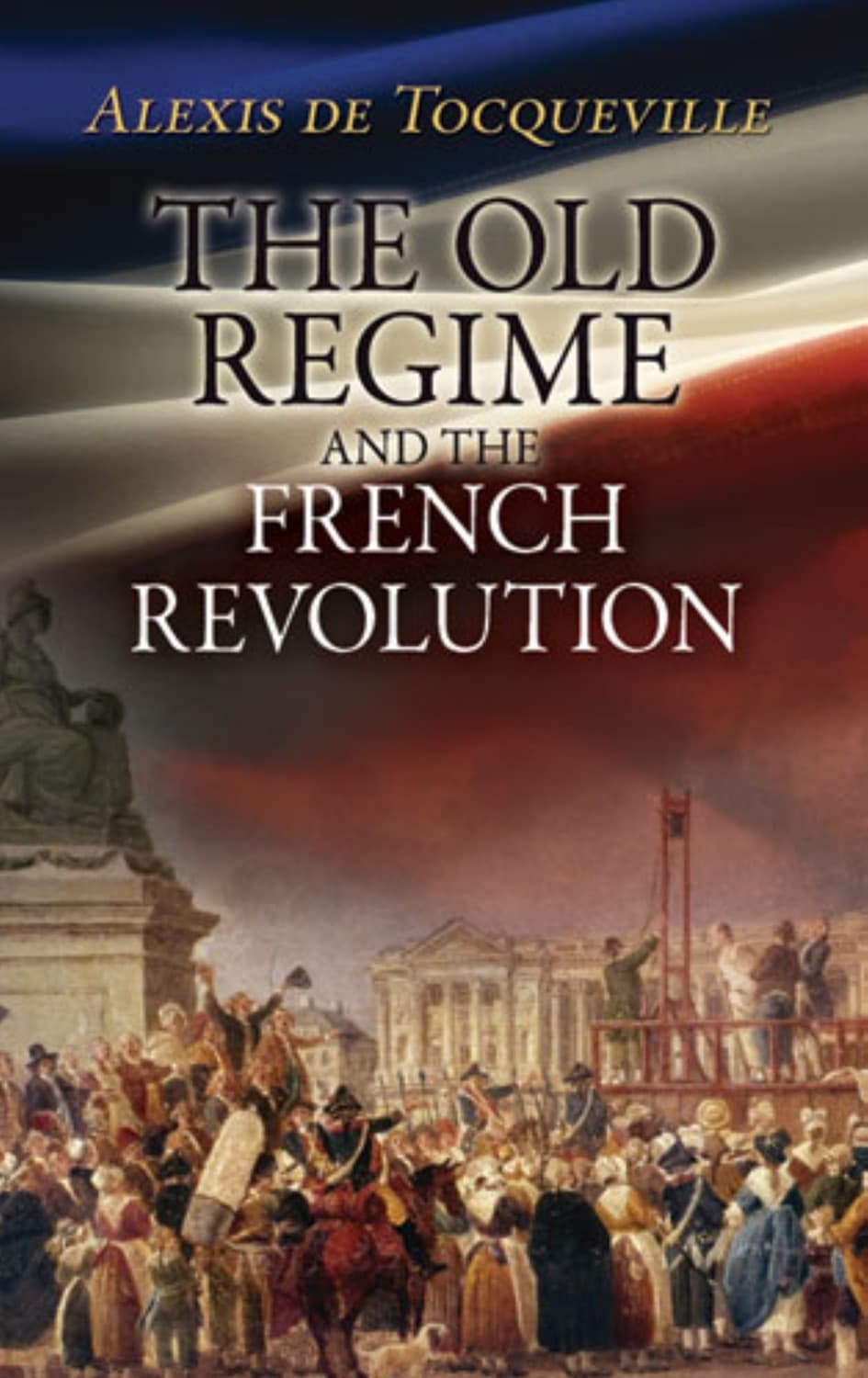
The Old Regime and the French Revolution
Alexis De Tocqueville
The monarchy fell, but the centralized state it built survived.
Revolutions often finish what the old order started.
Tocqueville argues the French Revolution didn't break with the old regime so much as complete its drive toward administrative centralization. Written by a sharp nineteenth-century observer, it shows how continuity hides inside rupture, and it's for readers interested in the deep causes beneath the events.
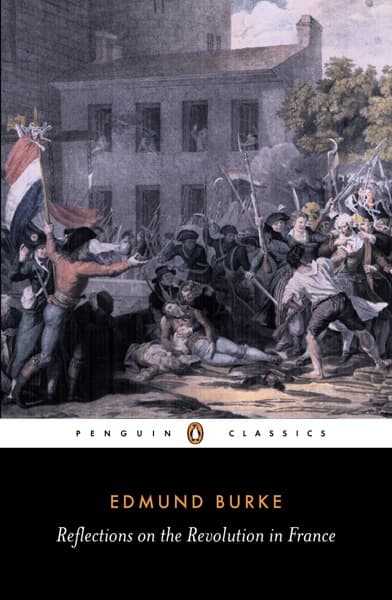
Reflections on the Revolution in France
Edmund Burke
Written while the Revolution was still unfolding, and it predicted the Terror.
Tear down inherited order and tyranny fills the gap.
Burke's 1790 attack on the French Revolution warns that sweeping away inherited institutions invites chaos and eventual despotism. It's the founding text of modern conservative thought and an essential counter-voice, for readers who want to understand the case against revolution from someone watching it live.
A people's tragedy
Orlando Figes
Three decades of Russian upheaval, from famine to Lenin's state.
Utopian aims curdled into terror within years.
Figes traces the Russian Revolution from the 1891 famine through 1924, weaving ordinary lives into the collapse of the tsarist order and the rise of Bolshevik power. It teaches how grievance, war, and ideology compounded into catastrophe, and it's for readers who want the full human scale of events.
The Age Of Revolution
Eric Hobsbawm
The decades when revolution and industry remade the modern world together.
Political and industrial revolution reshaped the world together.
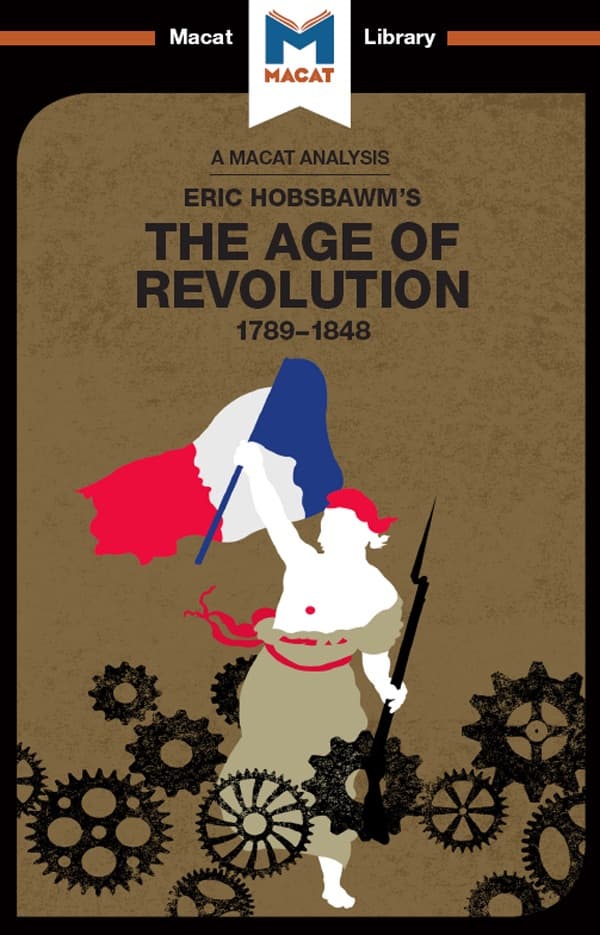
Hobsbawm covers 1789 to 1848 as a dual revolution, political and industrial, that produced modern capitalism, nationalism, and class politics. It places single uprisings inside a continent-wide transformation, and it's for readers who want the big-picture forces behind the era's revolts.
Citizens
Simon Schama
A revisionist retelling that questions whether the Revolution was progress at all.
Violence was present in the Revolution from the start.
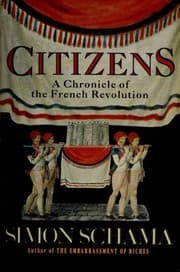
Schama's narrative of the French Revolution stresses the violence woven through it from the start and challenges the view of 1789 as a clean march toward liberty. Rich in character and scene, it's for readers who want a gripping story that also argues a provocative case.
Revolutions often finish what the old order started.
Ten Days That Shook the World
John Reed
An American journalist inside Petrograd as the Bolsheviks seized power.
A revolution recorded by someone standing inside it.
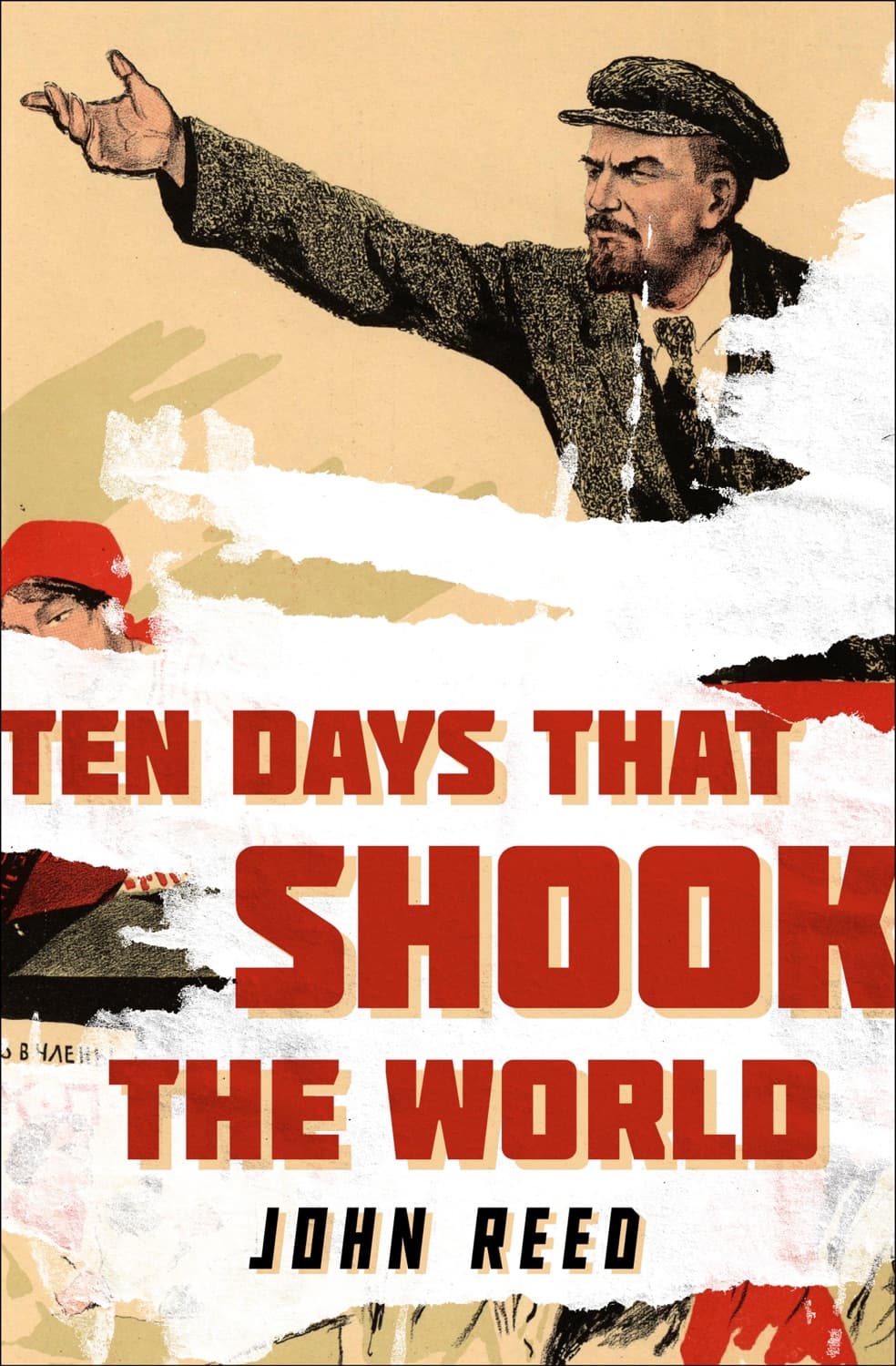
Reed's firsthand account of the October 1917 revolution captures the meetings, crowds, and chaos as he witnessed them. It's a partisan, immediate eyewitness record rather than balanced history, valuable for the texture of a revolution as it happened. It's for readers who want primary-source immediacy.
Why Civil Resistance Works
Erica Chenoweth, Maria J. Stephan
The data behind a striking claim: nonviolent campaigns often work better.
Nonviolent campaigns succeeded more often than armed ones.
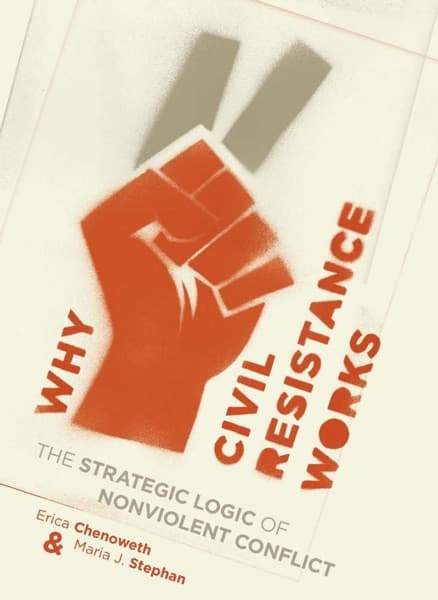
Chenoweth and Stephan compare hundreds of violent and nonviolent resistance campaigns from 1900 to 2006 and find the nonviolent ones more often succeeded. It teaches why mass participation matters more than arms, and it's for readers focused on how modern movements actually win.
Can we tailor this list for you?
Type your question in the bar below and the AI will tailor a fresh set of picks just for you.